
Introduction
For many business owners, the first question isn’t which accounting software is best—it’s whether paying for accounting software is necessary at all.
However, in 2026, “free” accounting software rarely means a fully featured, professional system with no limits. Most free bookkeeping software available in the UK is designed for very small businesses, side projects, or early-stage traders with simple needs. These tools typically focus on basic record keeping rather than automation, compliance, or scalability.
It’s also important to be clear from the outset: most established UK accounting platforms do not offer fully free plans. Instead, they provide paid software, often with introductory discounts, that businesses commonly move to once free or basic tools no longer meet their needs. This guide reviews what free accounting software really offers, where it works well, and where it starts to fall short.
Throughout this article, we’ll explore:
- What free accounting usually includes
- The limitations of free finance software
- Who free tools are genuinely suitable for
- When paid platforms offer better long-term value
This guide compares what genuinely free accounting software offers, explains where free tools work well, and highlights the point where upgrading to professional accounting software becomes the more practical and cost-effective option.
If you’re deciding whether free tools are “enough” or whether it’s time to upgrade, this guide will help you make that decision with clarity and confidence.
Transparency note: This article contains affiliate links. If you choose to sign up through them, we may earn a commission at no additional cost to you. All recommendations are based on suitability for UK sole traders and SMEs. Accounting Software providers may charge subscription fee’s.
Contents
- What free software really means
- Who free accounting software is for
- Core features to expect
- Limitations of free accounting tools
- Free vs paid accounting software
- VAT & HMRC considerations
- Scalability and growth limits
- When Should You Upgrade from Free Accounting Software?
- Comparison: paid alternatives
- Promotion conditions
- FAQs
- Recap
- Conclusion
Is Free Accounting Software Really Free?
Many businesses assume that free accounting software provides the same functionality as paid platforms without the monthly subscription. In reality, genuinely free accounting software almost always involves compromises. Some providers restrict the number of invoices you can send, others limit users or reporting, while many reserve automation and compliance features for paid plans.
Understanding these limitations before choosing software helps avoid unexpected upgrade costs and ensures you select a solution that matches your business requirements rather than simply your budget.
What free accounting software really means
Not all free accounting software works in the same way. Some providers offer genuinely free plans with permanent feature restrictions, while others provide free trials or entry-level products designed to encourage users to upgrade later. Understanding these differences helps you compare software more accurately and avoid choosing a platform based purely on headline pricing.
Most free bookkeeping software focuses on manual record-keeping rather than automation. You’ll typically be able to log income and expenses, categorise transactions, and view basic reports. These tools are designed to help you stay organised, not to replace professional accounting systems.
Free finance software often excludes features that save time, such as automatic bank feeds, VAT submission, and receipt scanning. Instead, users trade convenience for cost savings. For very small businesses, this trade-off can make sense, especially in the early months.
Support is another key distinction. Free software rarely includes live UK-based support. Help is usually limited to documentation or community forums. This is fine for confident users but risky for those unfamiliar with bookkeeping rules.
In short, free accounting software is best seen as a starting point rather than a long-term solution.
Who free accounting software is for
Free accounting software is most suitable for sole traders and micro-businesses with simple financial needs. If you issue a small number of invoices each month, have limited expenses, and are not VAT-registered, free bookkeeping software may be sufficient.
Side hustles and early-stage startups often benefit from free starter accounting software. When revenue is unpredictable, avoiding monthly costs helps preserve cash flow while still maintaining basic financial records.
However, businesses with employees, regular contractors, or complex reporting needs often struggle with free finance software. Payroll, VAT returns, and accountant collaboration are rarely supported without upgrading.
Confidence also matters. Business owners comfortable with manual bookkeeping can make good use of free tools. Those who want automation, reassurance, or ongoing support often outgrow free options quickly.
Freelancers, consultants and side businesses often find free accounting software provides enough functionality during the early stages. However, businesses with recurring invoices, multiple income sources or regular collaboration with an accountant generally benefit from upgrading sooner because automation quickly offsets the subscription cost.
👉 Compare leading platforms and current offers:
https://accountingsoftwaredeals.co.uk/recommends/xero-offer/
When Free Accounting Software Stops Being Enough
Free accounting software is often an excellent starting point, but every business eventually reaches a point where manual bookkeeping begins to consume too much time. Increasing transaction volumes, VAT registration, additional team members and more detailed reporting requirements are usually the first signs that a business has outgrown free software.
Recognising these indicators early allows you to plan an orderly transition rather than changing systems under pressure during a busy trading period or close to tax deadlines.
Core features to expect from free tools
Despite limitations, most free accounting software includes a core set of features. These typically include income and expense tracking, basic categorisation, and simple reporting.
Many free bookkeeping software tools offer basic invoicing. You can usually create invoices and record payments, but advanced options like recurring invoices or automatic reminders are often restricted.
Reporting is usually limited to profit and loss summaries rather than detailed management accounts. These reports are adequate for understanding performance but not for forecasting or lender reviews.
One feature worth paying particular attention to is data portability. Good free accounting software should allow you to export your financial records easily. This makes it much simpler to migrate to another platform in the future if your business outgrows the software or your requirements change.
Data export is an important feature to look for. Being able to export transactions ensures you’re not locked in and can share data with an accountant if needed.
Limitations of free accounting software
The biggest limitation of free accounting software is time. Manual data entry increases the risk of errors and consumes valuable hours that could be spent growing your business.
Compliance is another challenge. Most free bookkeeping software does not support Making Tax Digital submissions. This makes it unsuitable for VAT-registered businesses without additional tools.
Scalability is limited too. As transaction volumes increase, free finance software can become difficult to manage and prone to mistakes.
Another consideration is integration. Many free accounting tools have limited support for payment providers, ecommerce platforms, payroll systems or CRM software. As businesses adopt more digital tools, these missing integrations can create additional manual work and reduce efficiency.
Finally, support limitations can be stressful. When issues arise close to tax deadlines, lack of direct help can create unnecessary pressure.
Common Mistakes When Choosing Free Accounting Software
Choosing free accounting software simply because it has no monthly fee can lead to unnecessary frustration later. One of the most common mistakes is selecting software without considering future requirements such as VAT registration, payroll, integrations or accountant access.
Another mistake is assuming that all free accounting software offers similar functionality. In reality, the features included vary significantly between providers. Comparing limitations alongside pricing helps ensure the software remains suitable as your business develops.
Free vs paid accounting software
The difference between free and paid accounting software isn’t just about features – it’s about efficiency and risk management.
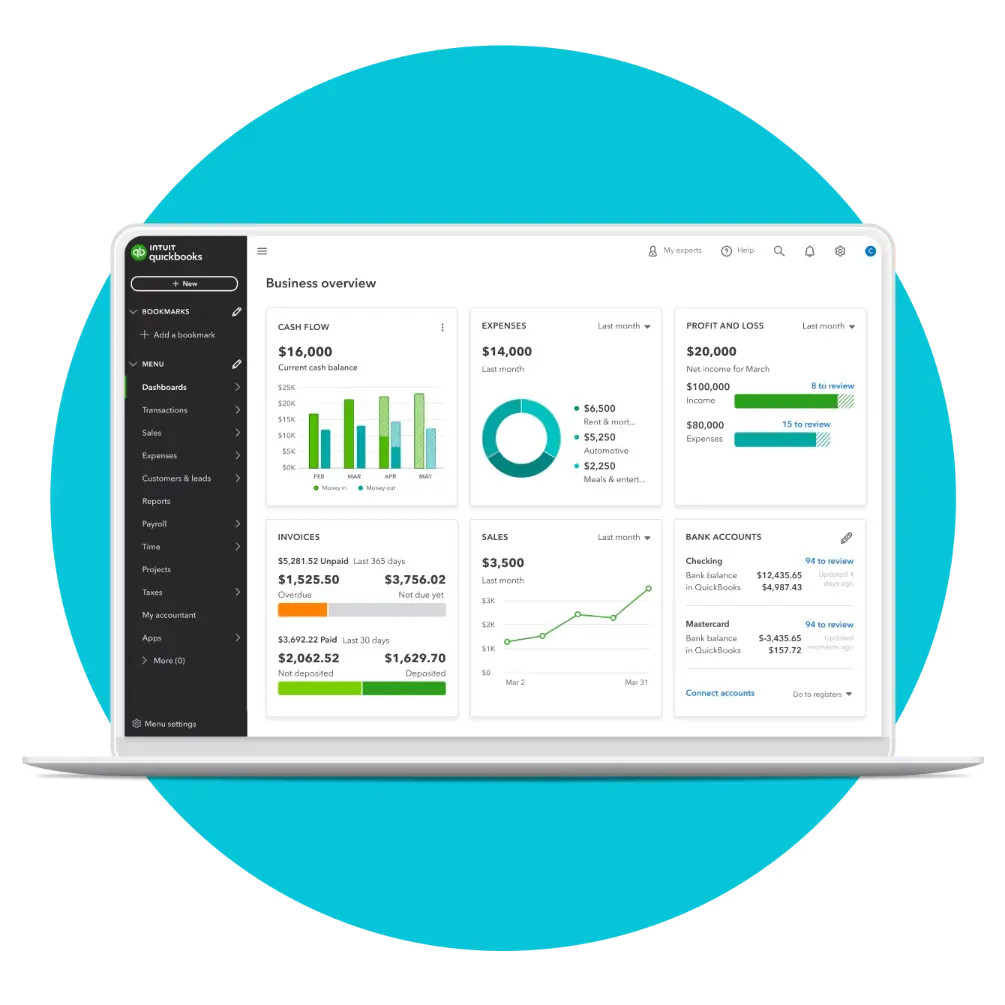
Paid platforms focus on automation, reducing manual work through bank feeds, smart categorisation, and integrations. They also prioritise compliance, ensuring VAT and HMRC requirements are met.
Free accounting software focuses on affordability. For very small businesses, this can work well. Over time, however, the manual effort often outweighs the savings.
👉 https://accountingsoftwaredeals.co.uk/recommends/xero-offer/
VAT & HMRC considerations
HMRC compliance is critical for UK businesses. Most free accounting software does not fully support Making Tax Digital requirements.
Paid platforms like Xero, Sage, and QuickBooks are MTD-compliant and regularly updated to reflect HMRC changes. This reduces risk and simplifies submissions.
Businesses should also consider future regulatory changes rather than current requirements alone. Selecting software that already supports HMRC’s digital record-keeping standards can reduce disruption if reporting obligations expand over the coming years.
If VAT registration is likely in the near future, starting with paid software – especially at a discounted rate – can save time and effort later.
Scalability and growth limits
Free accounting software often reaches its limits sooner than expected. Growth introduces complexity: more transactions, higher reporting requirements, and stricter compliance obligations.
Migrating early, before data volumes grow too large, usually results in a smoother transition to paid platforms.
When Should You Upgrade from Free Accounting Software?
It’s important to be clear: Xero, Sage, and QuickBooks are not free accounting software. They do not offer permanent free plans.
They are included here to show what businesses typically move to once free or basic tools are no longer sufficient. These platforms provide automation, compliance support, and scalability that free finance software cannot.
In many cases, discounted paid plans cost less than the time spent managing manual systems.
- ✓Automated expense tracking
- ✓Cash flow reporting
- ✓Smart invoicing
- ✓VAT support
- ✓Bank reconciliation
- ✓Mobile accounting
- ✓Automated bookkeeping
- ✓Live bank feeds
- ✓Unlimited integrations
- ✓Real-time reporting
- ✓Accountant collaboration
- ✓Scales as your business grows
- ✓UK compliance
- ✓Payroll
- ✓VAT management
- ✓Financial reporting
- ✓Business insights
- ✓Cloud accounting
- ✓Excellent value
- ✓Workflow automation
- ✓Customer invoicing
- ✓Expense management
- ✓Bank reconciliation
- ✓$100 credits usable across the Zoho ecosystem
Free Software or Discounted Paid Software?
For many small businesses, the decision isn’t simply between free and paid accounting software. Introductory offers on established accounting platforms can make professional software surprisingly affordable during the first year while providing access to automation, compliance features and ongoing support that free software often lacks.
If your business expects to grow or become VAT registered within the next twelve months, comparing discounted paid software alongside free alternatives is usually worthwhile before making a final decision.
Continue Your Research
If you’re comparing free accounting software, these related guides can help you understand how paid platforms differ, compare leading providers and choose software based on your business type rather than price alone.
- Best Accounting Software UK
- Cheapest Accounting Software for Small Businesses
- Best Accounting Software for Small Businesses
- Best Accounting Software for Sole Traders
- Best Accounting Software for Freelancers
- Best Accounting Software for Startups
- Best Accounting Software for Limited Companies
- Accounting Software for Self-Employed
- Xero Review
- Sage Review
- QuickBooks Review
- FreeAgent Review
- Zoho Books Review
- Xero vs Sage
- Xero vs QuickBooks
- Sage vs QuickBooks
- Xero vs Zoho Books
- Zoho Books vs Sage
Exclusive Xero Offer | Save 80% for 6 Months*
If you’ve reached the limits of what free accounting software can do for you, upgrading to a professional platform can make managing your business finances quicker, more accurate, and fully compliant with UK requirements.
One of the most popular and widely recommended paid accounting systems for UK sole traders and SMEs is Xero. Unlike free bookkeeping software, Xero provides automation features, HMRC-compliant VAT tools, bank feeds, multi-user access, app integrations, and real-time reporting. These capabilities help reduce manual work and give you better visibility into your business performance.
Why many UK businesses upgrade from free tools to Xero
Here’s how Xero compares as a next step from basic accounting software:
- Automation over manual entry: Xero connects directly to your bank, reducing manual transaction input and errors.
- VAT & Making Tax Digital compliance: Xero supports direct submission of VAT returns to HMRC – something free accounting software rarely does.
- Growth-friendly reporting: Get detailed profit and loss, balance sheet, and custom reports that free finance software typically can’t produce.
- Collaborative access: Invite accountants or bookkeepers with controlled permissions – invaluable for growing businesses.
- App ecosystem: Integrate with time tracking, invoicing, payment providers, and more.
All of this means less time spent on bookkeeping and more time focusing on your business.
Current Xero offer – save on paid accounting software
While Xero is a paid platform rather than free accounting software, you can now explore it with a significantly reduced upfront cost. Through our partner offer, new customers can get:

How We Assess Free Accounting Software
Our recommendations consider more than whether software is free. We assess ease of use, bookkeeping functionality, invoicing, reporting, HMRC compatibility, upgrade flexibility, scalability and the long-term value offered as businesses grow. This approach helps identify software that remains practical beyond the first few months of trading rather than focusing solely on monthly cost.
We regularly review software features, pricing structures and promotional offers to ensure this guide remains accurate as accounting platforms evolve.
FAQs: Free Accounting Software
Is free accounting software really free in the UK?
In most cases, yes – but with limitations. Free accounting software usually offers a basic level of functionality with no monthly fee, but it is not equivalent to paid accounting platforms. Free bookkeeping software typically excludes automation, VAT submission, bank feeds, and advanced reporting. Some tools are permanently free but capped, while others are free starter accounting software designed to encourage later upgrades. Always check what is included before relying on free finance software for your business.
What features does free bookkeeping software usually include?
Most free bookkeeping software allows you to record income and expenses, categorise transactions, and generate basic reports such as profit and loss summaries. Some free software also includes limited invoicing. However, features such as automated bank feeds, receipt scanning, VAT tracking, and accountant access are usually excluded. Free tools focus on record-keeping rather than time-saving automation.
Is free accounting software suitable for sole traders?
Yes, free software can work well for sole traders with simple finances. If you have low transaction volumes, are not VAT-registered, and are comfortable managing records manually, free bookkeeping software may be sufficient. Many UK sole traders use free starter accounting software in their first year before moving to paid platforms as their business grows.
Can I use free accounting software if I’m VAT registered?
In most cases, no. The majority of free software does not support Making Tax Digital (MTD) submissions to HMRC. While some free finance software may allow VAT tracking, it usually cannot submit VAT returns directly. VAT-registered businesses typically need paid accounting software to remain compliant with HMRC requirements.
Is free accounting software compliant with HMRC rules?
Free software can help you keep records, but compliance support is limited. HMRC requires digital records and MTD-compliant submissions for VAT-registered businesses. Most free bookkeeping software does not meet these requirements on its own. For full compliance, especially as regulations change, paid accounting platforms are generally more reliable.
Can I upgrade from free accounting software later?
Yes, but the ease of upgrading depends on the tool. Some free software allows you to upgrade within the same platform, while others require exporting data and migrating to a new system. Choosing free finance software that supports clean data exports can make future upgrades significantly easier and reduce the risk of errors.
Is free accounting software safe and secure?
Reputable free software providers typically use encryption and secure servers to protect data. However, support, backups, and recovery options may be limited compared to paid platforms. While free bookkeeping software can be safe for basic use, businesses handling sensitive financial data often prefer paid systems with stronger guarantees and support.
Why do so many businesses move away from free accounting software?
The most common reason is time. Free software relies heavily on manual input, which becomes inefficient as transaction volumes grow. Many businesses find that the time saved through automation in paid software outweighs the cost. Compliance needs, VAT registration, and working with accountants also drive businesses away from free starter accounting software.
Are spreadsheets better than free accounting software?
Spreadsheets can work for very small businesses, but they lack structure, automation, and audit trails. Free software is generally safer and more reliable than spreadsheets because it enforces basic accounting rules and reduces the risk of formula errors. For most businesses, free bookkeeping software is a better starting point than spreadsheets.
Do accountants recommend free accounting software?
Accountants rarely recommend free software for long-term use. While they may accept data from free tools, cleaning and correcting records can take additional time. Many accountants prefer clients to use recognised paid platforms because they offer consistent reporting, automation, and compliance features.
How long should I use free starter accounting software?
Free starter accounting software is best used short-term. Many businesses outgrow free tools within 6–12 months as income increases, VAT registration becomes necessary, or reporting needs expand. Planning an upgrade early can help avoid rushed migrations later.
Is paid accounting software worth the cost?
For most growing UK businesses, yes. Paid accounting software reduces manual work, improves accuracy, and simplifies compliance. With introductory offers available, paid platforms can be more affordable than expected and often deliver better value than relying on free finance software long-term.
Are there truly “free forever” accounting systems?
There are very few genuinely free forever accounting systems with full functionality. Most free software is intentionally limited. Fully featured systems almost always require payment, especially for VAT compliance, automation, and support.
What’s the biggest risk of relying on free accounting software?
The biggest risk is underestimating how quickly your business will outgrow it. Free bookkeeping software can create compliance issues, manual workload, and errors if used beyond its intended scope. Understanding its limits early helps you plan a smooth transition.
What is the biggest limitation of free accounting software?
The biggest limitation is usually automation. Most free accounting software requires more manual bookkeeping and offers fewer integrations, reporting tools and compliance features than paid alternatives. As businesses grow, these limitations often outweigh the savings made by avoiding subscription fees.
Should I start with free accounting software and upgrade later?
For many sole traders and very small businesses, starting with free accounting software is a sensible option. However, if you expect rapid growth, VAT registration or more complex bookkeeping requirements, beginning with scalable accounting software may reduce future migration costs and save time in the long run.
Can I move from spreadsheets to free accounting software?
Yes. Many small businesses begin with spreadsheets before moving to free accounting software as transaction volumes increase. Free software provides better organisation, reduces manual errors and creates a stronger foundation if you later upgrade to a professional accounting platform.
Recap
Free accounting software can be a practical starting point for UK sole traders and very small businesses with straightforward finances. It allows you to track income and expenses, understand basic performance, and stay organised without committing to monthly software costs.
However, free bookkeeping software is not designed to support growing businesses long-term. As soon as transaction volumes increase, VAT registration becomes necessary, or automation is required, the limitations of free finance software become clear. Manual data entry, lack of compliance tools, and limited support often create more work than they save.
For many businesses, free starter accounting software works best as a temporary solution rather than a permanent one. Understanding when to upgrade – and planning for that transition early – can save time, reduce errors, and support healthier growth.
Conclusion
In 2026, free accounting software still has a legitimate place in the UK business landscape, but only for businesses with very simple needs. For sole traders, side hustles, and early-stage ventures, free bookkeeping software can provide structure and visibility without adding financial pressure.
That said, free finance software is not designed to replace professional accounting systems. As soon as VAT, automation, scalability, or compliance become priorities, relying on basic accounting software free tools often becomes inefficient and risky. This is why many UK businesses choose to upgrade earlier than expected.
Paid accounting platforms such as Xero are not free, but with offers like 80% off for 6 months, the cost difference compared to free software is often smaller than assumed. When you factor in time savings, reduced errors, and improved compliance, paid software frequently delivers better overall value.
The best choice isn’t necessarily the software with the lowest monthly price- it’s the platform that delivers the right balance of affordability, automation and flexibility for the stage your business is currently at.
Ready to compare your options? Explore today’s accounting software offers and decide whether free accounting software or a discounted professional platform provides the best value for your business.
👉 Get 80% off Xero for 6 months: https://accountingsoftwaredeals.co.uk/recommends/xero-offer/
Subject to eligibility; offers may change. Always review current terms and conditions before subscribing.
Disclaimer: The content on this website is intended for informational purposes only and should not be construed as legal, financial, or professional advice. While we strive to ensure that the information is accurate and up-to-date at the time of publication, please be aware that regulations and circumstances may change. We recommend consulting with a qualified professional for personalised guidance specific to your situation. Additionally, some links on this website may be affiliate links, meaning we may earn a commission if you make a purchase through those links. Please ensure you read and understand all terms and conditions before making any decisions.
Xero Relationship Disclosure: This website is independent and not affiliated with or endorsed by Xero. We may earn a commission if you sign up to Xero via our referral links.
- Xero vs Sage: Which Accounting Software Is Best for Small Businesses?
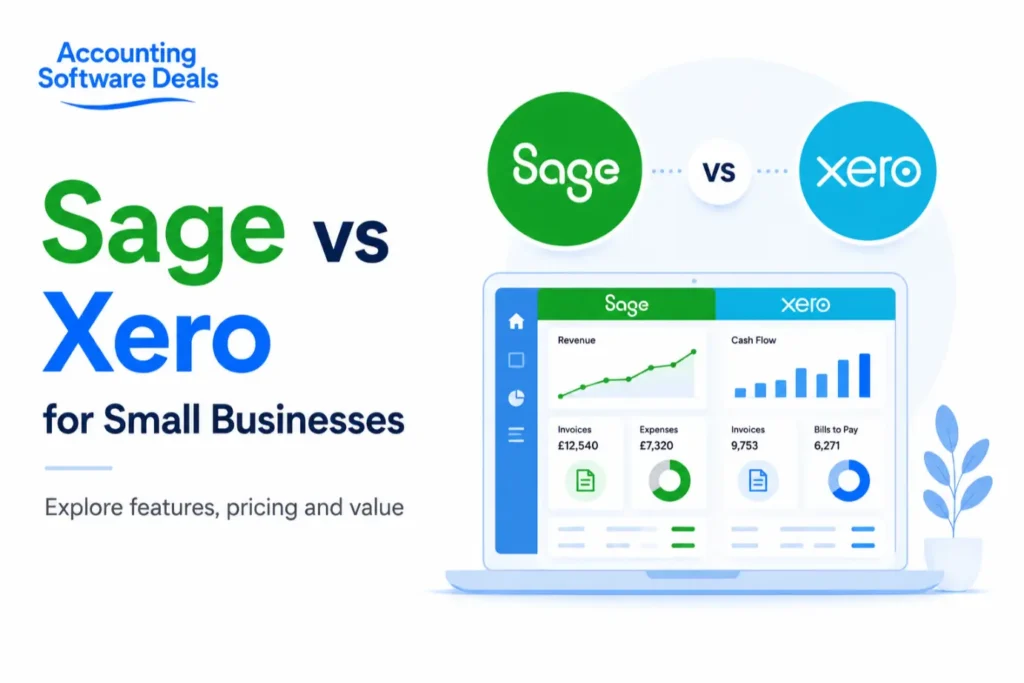 Introduction Choosing between Xero vs Sage is one of the biggest decisions UK business owners make when selecting accounting software. Whether you’re comparing Xero or Sage, looking at Xero vs Sage features, or wondering is Xero better than Sage or is Sage better than Xero, this guide compares pricing, ease of use, HMRC compliance, integrations… Read more: Xero vs Sage: Which Accounting Software Is Best for Small Businesses?
 - Free Agent Accounting Software Review
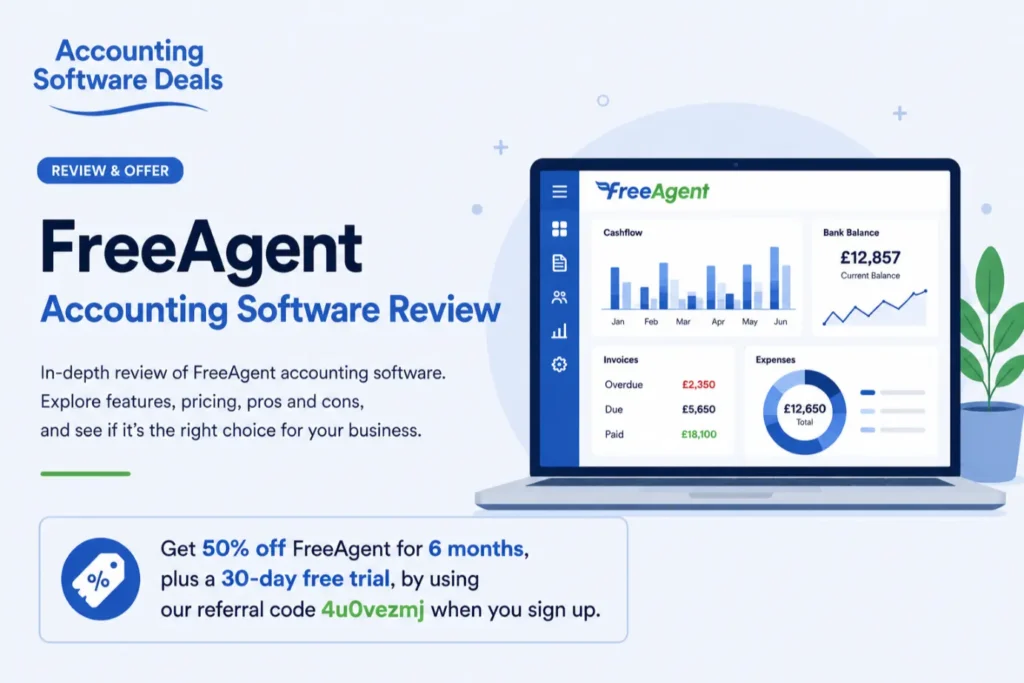 Introduction Choosing the right accounting software can save you hours of administration each month while helping you stay compliant with HMRC requirements. For UK freelancers, sole traders and small businesses, FreeAgent accounting software has become one of the most popular cloud accounting solutions thanks to its simple interface, built-in tax features and time-saving automation. In… Read more: Free Agent Accounting Software Review
 - Zoho Books Accounting Software Review UK (2026)
 Introduction Choosing the right accounting software is one of the most important decisions for any business, and Zoho Books accounting software has become an increasingly popular choice for freelancers, sole traders, startups and small businesses looking for an affordable cloud-based solution. Combining invoicing, bookkeeping, expense tracking, automation and HMRC-compliant tax tools, Zoho Books is designed… Read more: Zoho Books Accounting Software Review UK (2026)
 - Xero vs Zoho Books for Small Businesses (2026)
 Introduction Choosing accounting software is one of the most important decisions a sole trader or small business owner can make. The right platform saves time, reduces stress around tax, and gives you clearer insight into cash flow and profitability. The wrong one can feel restrictive, confusing, or unnecessarily expensive as your business grows. That’s why… Read more: Xero vs Zoho Books for Small Businesses (2026)
 - Zoho Books vs Sage for Small Businesses (2026 Comparison Guide)
 Introduction Choosing the right accounting software is one of the most important decisions for any UK sole trader or small business. The right platform can save hours of administration every month, simplify VAT returns, improve cash flow management and provide better visibility over your finances as your business grows. If you’re comparing Zoho Books vs… Read more: Zoho Books vs Sage for Small Businesses (2026 Comparison Guide)
 - Sage vs QuickBooks Accounting Software Comparison
 Introduction Choosing between Sage and QuickBooks is one of the most important software decisions facing UK sole traders and small businesses. Both platforms are HMRC-recognised, Making Tax Digital (MTD) compliant and trusted by thousands of UK businesses, but they take noticeably different approaches to bookkeeping, automation and financial management. Sage has traditionally been the preferred… Read more: Sage vs QuickBooks Accounting Software Comparison