
Introduction
Finding the cheapest accounting software that still meets UK compliance standards can feel overwhelming for sole traders and small business owners. In 2026, there are more tools than ever promising to simplify bookkeeping, automate tax calculations, and save money – but not all “cheap” solutions are genuinely cost-effective in the long run.
Many small businesses start with spreadsheets or free tools, only to realise later that manual processes cost time, increase the risk of errors, and make VAT and Self Assessment more stressful than necessary. The right accounting platform should balance affordability with reliability, HMRC compliance, scalability, and day-to-day usability.
This guide is written specifically for UK sole traders, freelancers, contractors, and SMEs looking for low cost accounting software UK solutions that work in the real world. We’ll explore what makes accounting software truly affordable (beyond headline pricing), what features matter most at different growth stages, and how to avoid common traps when choosing budget accounting tools.
We’ll compare the total cost of ownership of the UK’s leading accounting software, including introductory pricing, long-term subscription costs, included features and potential upgrade expenses. The goal isn’t simply to find the lowest monthly fee, but the accounting software that delivers the best overall value for your business.
If you’re aiming to keep costs low without compromising on compliance or control, this article will help you choose affordable accounting software that grows with your business – not against it.
Contents
- What Makes Accounting Software “Cheapest”?
- Who Benefits Most from Cheap Accounting Software?
- Essential Features to Look for in Low Cost Accounting Software UK
- Hidden Costs That Can Make Cheap Bookkeeping Software Expensive
- HMRC Compliance and Making Tax Digital on a Budget
- Scalability: Will Budget Accounting Tools Grow with You?
- Cheapest Accounting Software Comparison: Xero, Sage & QuickBooks
- Xero Review: Affordable Cloud Accounting with Powerful Automation
- Sage Review: Traditional UK Accounting at a Competitive Price
- QuickBooks Review: Feature-Rich Accounting on a Budget
- Promotion Conditions & Offer Disclaimers
- Frequently Asked Questions
- Recap: Choosing the Cheapest Accounting Software
- Conclusion: Secure Affordable Accounting Software Today
What Makes Accounting Software the “Cheapest”?
Price alone does not determine whether an accounting platform is genuinely cheap. In 2026, the cheapest accounting software is defined by overall value rather than just monthly subscription cost. Many platforms advertise low entry prices, but the true cost only becomes clear after considering add-ons, transaction limits, and time saved.
A genuinely low-cost solution should reduce admin hours, automate repetitive tasks, and minimise the need for external bookkeeping support. For sole traders, this often means automated bank feeds, simple expense tracking, and straightforward Self Assessment reporting. For SMEs, the focus shifts towards VAT management, payroll integrations, and multi-user access without steep upgrades.
Another factor is software longevity. Constantly switching platforms because you’ve outgrown features is expensive, even if the initial tool was cheap. Migration costs – both financial and time-based – can outweigh early savings. Affordable accounting software should therefore support growth without forcing costly plan changes too early.
Finally, promotions matter. In 2026, many providers offer time-limited discounts that dramatically reduce the first-year cost. These offers can make premium platforms cheaper than basic tools in the short term, especially when compared using real-world workflows rather than headline prices. Always compare current deals before committing.
Cheap Doesn’t Always Mean Best Value
Choosing the cheapest accounting software based purely on the advertised monthly price can be an expensive mistake. Some providers offer very low entry-level plans but charge extra for features such as payroll, additional users, advanced reporting or Making Tax Digital functionality.
In many cases, a discounted premium platform provides significantly better value than permanently low-cost software because it includes automation, bank feeds, receipt capture and accountant collaboration from the start. Comparing overall value rather than subscription price alone often leads to better long-term decisions.
Who Benefits Most from Cheap Accounting Software?
Not every business needs an advanced finance suite. Cheap bookkeeping software is particularly valuable for businesses with straightforward finances, limited transactions, and tight cash flow.
Sole traders often benefit the most. Freelancers, consultants, tradespeople, and online sellers usually need invoicing, expense tracking, and basic tax reporting. Paying for enterprise-level features they’ll never use rarely makes sense. For this group, low cost accounting software UK options can deliver everything required at a fraction of traditional accounting fees.
Micro-businesses and early-stage SMEs also gain significant advantages. When revenue is still stabilising, keeping fixed costs low is essential. Affordable accounting software allows founders to stay compliant without locking into expensive long-term commitments.
Even established SMEs can benefit from budget accounting tools when paired with an external accountant. Cloud platforms reduce the need for manual data entry and make collaboration easier, often lowering professional fees.
Ultimately, if your business values efficiency, compliance, and predictable monthly costs, cheap accounting software can be a strategic asset rather than a compromise.
👉 Compare leading platforms and current offers: https://accountingsoftwaredeals.co.uk/recommends/xero-offer/
How Much Should Small Businesses Expect to Pay?
Most UK accounting software providers offer several pricing tiers designed to suit businesses at different stages of growth. Entry-level plans are often suitable for sole traders and very small businesses, while growing companies may require additional functionality such as payroll, inventory management or multi-user access.
Rather than focusing on the lowest monthly subscription, compare what each plan includes and whether you’ll need to upgrade within the next year. Introductory promotions can also make premium accounting software more affordable than expected during the first twelve months.
Essential Features to Look for in Low Cost Accounting Software UK
When evaluating affordable accounting software, certain features are non-negotiable – regardless of price.
First is bank connectivity. Automatic bank feeds save hours each month and reduce manual errors. Most reputable platforms now offer UK bank integrations, but some low-cost tools limit transaction volume or refresh rates.
Second is VAT support. Even if you’re not VAT-registered today, your software should support VAT schemes such as Standard Rate and Flat Rate. Switching platforms purely for VAT compliance is inefficient.
Third is invoicing and expense tracking. Customisable invoices, recurring billing, and receipt capture via mobile apps significantly reduce admin time. These features are essential for freelancers and service-based businesses.
Reporting is another key area. At minimum, profit and loss reports, cash flow summaries, and tax estimates should be accessible without additional fees. Budget accounting tools that hide reports behind upgrades often end up costing more.
One feature that is often overlooked when comparing affordable accounting software is mobile access. Being able to send invoices, capture receipts and check cash flow from a smartphone can save valuable time and reduce administrative work, particularly for business owners who spend much of their day away from the office.
Finally, usability matters. Software that is cheap but confusing increases reliance on accountants or bookkeepers, offsetting any subscription savings. A clean interface and strong UK support can make all the difference.
Hidden Costs That Can Make Cheap Bookkeeping Software Expensive
One of the biggest mistakes small businesses make is choosing software based solely on advertised price. Hidden costs can quickly erode savings.
User limits are a common issue. Some low-tier plans restrict the number of users, forcing upgrades if you add a partner, accountant, or staff member. Similarly, transaction caps can penalise growing businesses.
Add-ons also inflate costs. Payroll, multi-currency support, and advanced reporting are often sold separately. While this modular approach suits some businesses, it can make cheap bookkeeping software surprisingly expensive.
Support is another overlooked factor. Limited customer service or slow response times increase downtime and frustration. Paying slightly more for reliable support can save money long-term.
Another common hidden cost is data migration. Businesses that outgrow very basic bookkeeping software often need to spend time exporting financial records, importing historical transactions and reconfiguring integrations. Choosing software with a clear upgrade path can reduce these costs significantly.
Finally, integration limitations matter. If your accounting platform doesn’t integrate with your CRM, ecommerce store, or payment processor, manual work increases – and so do costs.
HMRC Compliance and Making Tax Digital on a Budget
HMRC compliance is non-negotiable for UK businesses. Fortunately, most reputable low cost accounting software UK solutions are Making Tax Digital (MTD) compliant.
For VAT-registered businesses, MTD-ready software is essential. Submitting VAT returns directly through HMRC-approved platforms reduces errors and avoids penalties. Even budget tools now offer this functionality, though some restrict it to higher plans.
Self Assessment support is equally important for sole traders. Affordable accounting software should generate clear summaries for SA100 submissions, even if filing itself is handled externally.
Corporation Tax support is less common in low-cost plans, but many platforms provide exportable reports compatible with accountant workflows. This balance keeps costs low while maintaining compliance.
Always check current HMRC approvals, as compliance status can change – subject to change, check current T&Cs.
👉 https://accountingsoftwaredeals.co.uk/recommends/xero-offer/
Scalability: Will Budget Accounting Tools Grow with You?
Scalability is often underestimated when choosing budget accounting tools. While your needs today may be simple, growth can happen faster than expected.
Look for platforms with clear upgrade paths rather than steep jumps in pricing. The best affordable accounting software allows you to add features gradually without doubling costs overnight.
Multi-currency support, project tracking, and inventory management are common growth requirements. Even if you don’t need them now, knowing they’re available can prevent future migrations.
Cloud-based tools with open APIs also scale better, integrating with payment platforms, ecommerce systems, and reporting tools as your business evolves.
Choosing scalable cheap accounting software is about future-proofing while staying lean today.
Xero Review: Affordable Cloud Accounting with Powerful Automation
Xero is often perceived as a premium platform, but promotions can make it one of the most affordable accounting software options available. Its strength lies in automation – bank reconciliation, invoicing, and reporting are streamlined to reduce manual input.
For sole traders and SMEs, Xero’s interface is intuitive, making it accessible even for non-accountants. The ecosystem of integrations supports ecommerce, payroll, and expense management without complex setup.
In 2026, Xero’s standout advantage is promotional pricing. Through our accounting offer, businesses can get 80% off for 6 months, dramatically reducing first-year costs. This makes Xero competitive with much simpler tools while offering far greater scalability.
For businesses planning growth, Xero represents a strong balance between cost and capability, particularly during the discounted period. Businesses working with an accountant will also benefit from Xero’s widespread adoption across UK accountancy firms. Shared access reduces manual data exchange, speeds up year-end processes and can help lower bookkeeping costs over time.
Sage Review: Traditional UK Accounting at a Competitive Price
Sage has long been associated with UK accounting and compliance. Its cloud offerings have evolved significantly, now competing directly in the cheap bookkeeping software space.
Sage’s strength is its familiarity among UK accountants and its alignment with HMRC processes. For businesses working closely with traditional accountants, this familiarity can reduce friction.
Pricing is generally competitive, with entry-level plans suitable for sole traders. However, some advanced features require upgrades, which can affect long-term affordability. Sage is particularly attractive for businesses already familiar with traditional desktop accounting software, offering a familiar transition into cloud accounting while maintaining strong UK compliance features.
Sage suits businesses that prioritise UK-centric workflows and established accounting practices while still seeking low cost accounting software UK options.
QuickBooks Review: Feature-Rich Accounting on a Budget
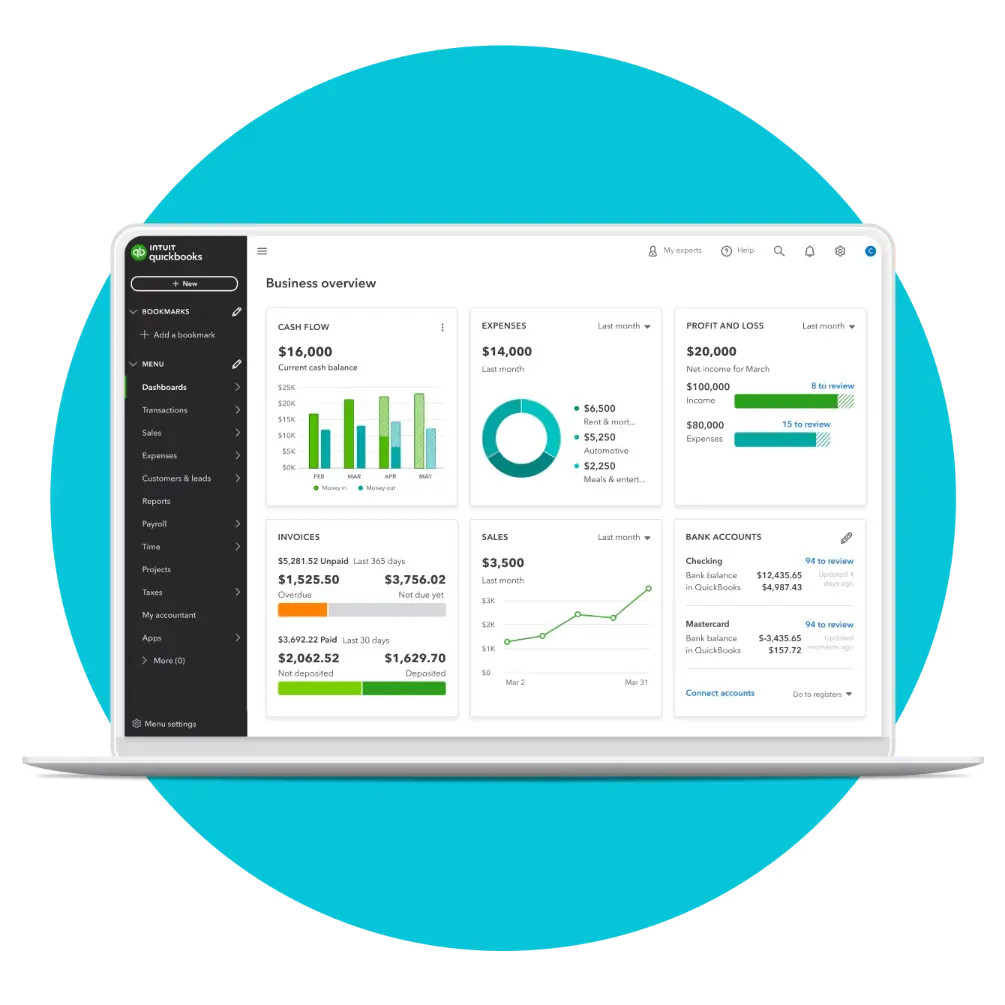
QuickBooks is known for its robust reporting and automation features. It offers strong value for businesses that want insights into cash flow and profitability without complex setup.
Entry-level plans are competitively priced, and promotional discounts are frequent. QuickBooks also integrates well with payment platforms and ecommerce tools, making it popular among online businesses. Businesses that rely on financial reporting and cash flow forecasting often find QuickBooks provides excellent visibility into business performance without requiring extensive accounting knowledge.
However, some users find the interface less intuitive than competitors, which can impact efficiency. Still, for data-driven SMEs, QuickBooks remains a compelling affordable accounting software option.
Cheapest Accounting Software Compared
While price is often the starting point, choosing accounting software involves balancing affordability with functionality. The comparison below highlights the strengths of each provider, helping you identify which platform offers the best overall value based on your business requirements rather than monthly subscription cost alone.
The table below compares four leading options often considered when choosing the cheapest accounting software for UK small businesses. QuickBooks, Xero, Zoho Books and Sage all offer HMRC-compliant tools with discounted pricing, but differ in automation, reporting depth, and scalability. Comparing these platforms side by side makes it easier to identify which affordable accounting software best fits your business size, tax requirements, and budget in 2026.
- ✓Cash flow management
- ✓Startup expense tracking
- ✓Automated invoicing
- ✓Bank reconciliation
- ✓Reporting dashboards
- ✓Payroll integration
- ✓Unlimited integrations
- ✓Startup-friendly automation
- ✓Multi-user collaboration
- ✓Real-time dashboards
- ✓Bank feeds
- ✓Scalable cloud accounting
- ✓UK compliance
- ✓Payroll
- ✓VAT management
- ✓Financial reporting
- ✓Business insights
- ✓Cloud accounting
- ✓Excellent value
- ✓Workflow automation
- ✓Customer invoicing
- ✓Expense management
- ✓Bank reconciliation
- ✓$100 credits usable across the Zoho ecosystem
Which Affordable Accounting Software Offers the Best Value?
The cheapest accounting software isn’t always the platform with the lowest subscription price. Businesses should consider ease of use, included features, scalability and the likelihood of needing paid upgrades in the future.
Choose Xero if:
- You want the strongest introductory offer.
- Long-term scalability matters.
- You work with an accountant.
- Automation is important.
Choose Sage if:
- You prioritise UK compliance.
- You prefer an established accounting platform.
- Payroll is important.
Choose QuickBooks if:
- Reporting is a priority.
- You want excellent value.
- Cash flow visibility matters.
Choose Zoho Books if:
- Budget is the main priority.
- You already use Zoho products.
- Workflow automation is important.
Continue Your Research
If you’re comparing accounting software based on price, it’s also worth considering features, business type and long-term value. These related guides can help you compare providers, explore software designed for different businesses and understand which platform offers the best overall fit.
- Best Accounting Software UK
- Best Accounting Software for Small Businesses
- Best Accounting Software for Sole Traders
- Best Accounting Software for Freelancers
- Best Accounting Software for Startups
- Best Accounting Software for Limited Companies
- Accounting Software for Self-Employed
- Xero Review
- Sage Review
- QuickBooks Review
- FreeAgent Review
- Zoho Books Review
- Xero vs Sage
- Xero vs QuickBooks
- Sage vs QuickBooks
- Xero vs Zoho Books
- Zoho Books vs Sage
Exclusive Xero Offer | Save 80% for 6 Months*
Xero is currently offering one of the strongest deals available on affordable accounting software for UK sole traders and SMEs. With 80% off for the first 6 months, businesses can access a full-featured accounting platform at a significantly reduced cost, making Xero a compelling option when comparing the cheapest accounting software in 2026.
This promotion allows new users to benefit from automated bank reconciliation, VAT and MTD reporting, invoicing, expense tracking, and detailed financial reports without committing to high ongoing fees. It is particularly valuable for growing businesses that want reliable, scalable low cost accounting software UK without sacrificing functionality or compliance.
The offer is typically available to new customers only and is subject to eligibility and current terms and conditions. As promotions can change, it’s recommended to check the latest details before signing up.

How We Assess Value for Money
Every business values different features, so our recommendations are based on overall value rather than headline pricing alone. We compare software using a combination of affordability, included features, HMRC compatibility, ease of use, automation, customer support, scalability and long-term subscription costs. We also consider promotional pricing where appropriate, as introductory offers can significantly change the overall value of a platform during the first year.
FAQs:
What is the cheapest accounting software for small businesses in the UK?
The cheapest accounting software for UK small businesses depends on your needs, business size, and current promotions. Entry-level plans from providers like Xero, Sage, and QuickBooks are often very affordable, especially when discounted. While some tools appear cheaper upfront, true value comes from automation, HMRC compliance, and time savings rather than just the lowest monthly fee.
Is cheap accounting software suitable for sole traders?
Yes, cheap bookkeeping software is often ideal for sole traders. Most sole traders need invoicing, expense tracking, bank reconciliation, and simple tax summaries. Low cost accounting software UK solutions are designed to handle these tasks efficiently without unnecessary complexity, making them both practical and affordable for self-employed professionals.
Can affordable accounting software handle VAT and Making Tax Digital?
Most reputable affordable accounting software supports VAT reporting and Making Tax Digital (MTD) compliance. This includes submitting VAT returns directly to HMRC. However, some budget accounting tools restrict VAT features to higher plans, so it’s important to check what’s included before subscribing.
Is free accounting software better than paid cheap accounting software?
Free accounting tools can be useful for very basic tracking, but they often lack automation, bank feeds, and HMRC compliance features. In most cases, paid but cheap accounting software provides far better value by saving time, reducing errors, and supporting tax obligations properly.
What features should I expect from low cost accounting software UK?
At a minimum, low cost accounting software UK options should include invoicing, expense tracking, bank feeds, basic reporting, and secure cloud access. Many affordable platforms also offer mobile apps, receipt capture, and VAT support, even at lower price points.
Can cheap bookkeeping software replace an accountant?
Cheap bookkeeping software does not replace an accountant, but it significantly reduces the amount of work they need to do. By keeping accurate, up-to-date records, businesses often save money on accounting fees while still benefiting from professional advice for tax planning and compliance.
Are there hidden costs with budget accounting tools?
Yes, some budget accounting tools have hidden costs such as user limits, transaction caps, paid add-ons for payroll, or restricted reporting. Always review pricing pages carefully and consider how your business may grow over the next 12–24 months.
Is affordable accounting software secure?
Reputable accounting software providers use strong encryption, secure data centres, and regular backups. Cheap accounting software from established providers is generally very secure and often safer than spreadsheets stored locally.
Can I upgrade later if my business grows?
Most affordable accounting software platforms offer scalable plans. This allows businesses to start with a low-cost option and upgrade as transaction volumes, staff numbers, or reporting needs increase – without switching systems.
Does cheap accounting software support multiple bank accounts?
Many cheap bookkeeping software options support multiple bank feeds, although some entry-level plans may limit the number of connected accounts. This is especially important for SMEs managing separate savings, tax, or currency accounts.
Is accounting software tax-deductible in the UK?
Yes, accounting software subscriptions are usually allowable business expenses. This makes even premium platforms more affordable in real terms, as the cost can be offset against taxable profits.
How often do accounting software prices change?
Prices and promotions can change regularly. Discounts, such as introductory offers, are often time-limited. Always check current pricing and terms, as offers are subject to change and eligibility requirements.
Is cheap accounting software suitable for limited companies?
Yes, many low cost accounting software UK platforms support limited companies. While Corporation Tax filing may still require an accountant, affordable accounting software can manage day-to-day bookkeeping, VAT, and reporting efficiently.
Can I switch accounting software if I choose the wrong one?
Yes, switching is possible, but it takes time and effort to migrate data. Choosing scalable, affordable accounting software from the start reduces the likelihood of needing to move later.
Are promotions worth choosing accounting software for?
Promotions can dramatically reduce costs, especially in the first year. Discounted pricing can make advanced platforms cheaper than basic tools, offering better long-term value if you plan to grow.
Why isn’t the cheapest accounting software always the best choice?
The lowest monthly subscription doesn’t always provide the best value. Software with limited features may require paid upgrades or additional bookkeeping support as your business grows. Comparing overall functionality, automation and long-term costs often leads to better value than focusing solely on price.
Should I choose discounted premium software or permanently cheap software?
It depends on your business plans. Introductory discounts on premium accounting software can provide access to advanced features at a lower cost during the first year, while permanently low-cost software may suit businesses with very simple bookkeeping requirements. Compare both short-term pricing and long-term subscription costs before deciding.
Is the cheapest accounting software suitable for growing businesses?
It can be, provided the software offers a clear upgrade path. Many businesses begin on entry-level plans before moving to more advanced features as turnover, staffing and reporting requirements increase. Choosing scalable software reduces the need to migrate systems later.
Recap: Choosing the Cheapest Accounting Software
Choosing the cheapest accounting software is not about finding the lowest monthly price – it’s about getting the best overall value for your business. In 2026, affordable accounting software offers automation, HMRC compliance, and cloud-based convenience at prices that suit sole traders and SMEs alike.
By focusing on essential features such as bank feeds, invoicing, VAT support, and reporting, businesses can avoid overpaying for unnecessary extras. Understanding hidden costs, scalability, and promotional pricing is just as important as the headline subscription fee.
Whether you’re a freelancer, contractor, or growing SME, modern low cost accounting software UK solutions make professional bookkeeping accessible without compromising accuracy or compliance. With the right platform, cheap bookkeeping software becomes a tool for efficiency and growth – not a limitation.
Conclusion: Choose the Right Affordable Accounting Software Today
Finding the cheapest accounting software in 2026 doesn’t mean settling for limited features or poor support. Today’s budget accounting tools are powerful, secure, and designed to meet the needs of UK sole traders and small businesses.
The key is to choose software that fits your current needs while allowing room to grow. Affordable accounting software should save you time, reduce errors, and keep you compliant with HMRC – without unexpected costs.
Ready to compare the cheapest accounting software available today? Review the latest pricing, compare current offers and choose the accounting software that delivers the best long-term value for your business.
Subject to eligibility; offers may change. Always review current terms and conditions before subscribing.
Disclaimer: The content on this website is intended for informational purposes only and should not be construed as legal, financial, or professional advice. While we strive to ensure that the information is accurate and up-to-date at the time of publication, please be aware that regulations and circumstances may change. We recommend consulting with a qualified professional for personalised guidance specific to your situation. Additionally, some links on this website may be affiliate links, meaning we may earn a commission if you make a purchase through those links. Please ensure you read and understand all terms and conditions before making any decisions.
Xero Relationship Disclosure: This website is independent and not affiliated with or endorsed by Xero. We may earn a commission if you sign up to Xero via our referral links.
- Xero vs Sage: Which Accounting Software Is Best for Small Businesses?
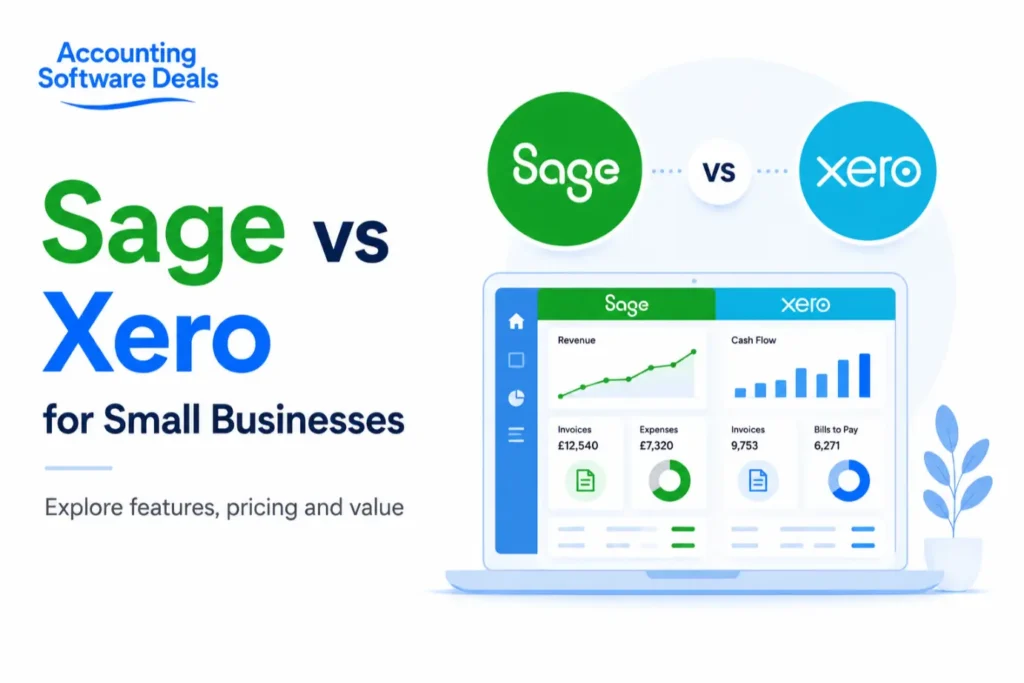 Introduction Choosing between Xero vs Sage is one of the biggest decisions UK business owners make when selecting accounting software. Whether you’re comparing Xero or Sage, looking at Xero vs Sage features, or wondering is Xero better than Sage or is Sage better than Xero, this guide compares pricing, ease of use, HMRC compliance, integrations… Read more: Xero vs Sage: Which Accounting Software Is Best for Small Businesses?
 - Free Agent Accounting Software Review
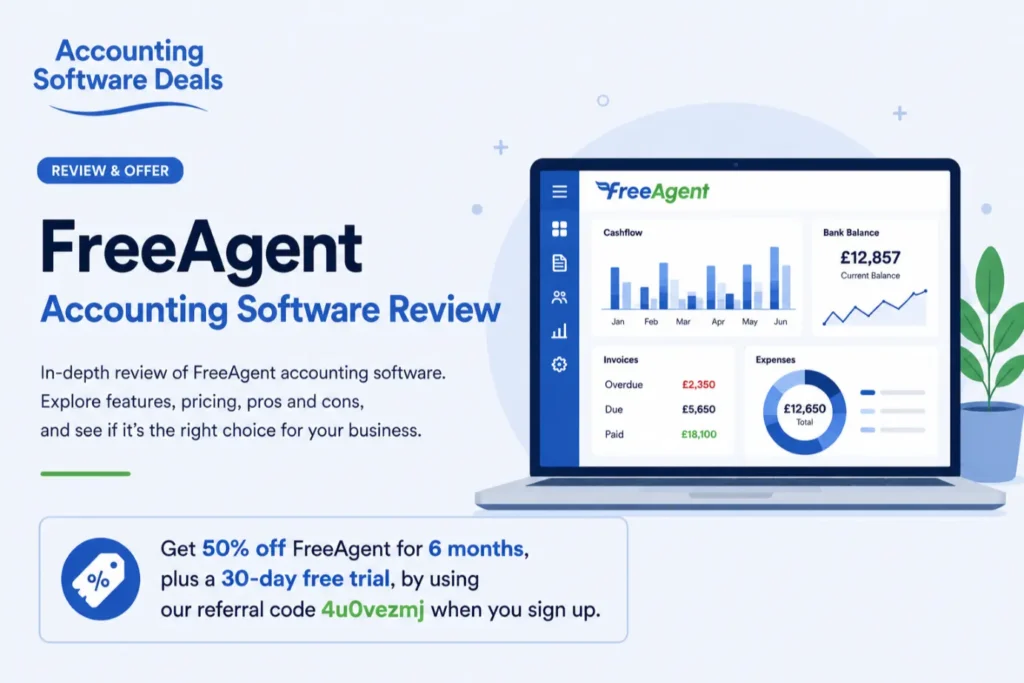 Introduction Choosing the right accounting software can save you hours of administration each month while helping you stay compliant with HMRC requirements. For UK freelancers, sole traders and small businesses, FreeAgent accounting software has become one of the most popular cloud accounting solutions thanks to its simple interface, built-in tax features and time-saving automation. In… Read more: Free Agent Accounting Software Review
 - Zoho Books Accounting Software Review UK (2026)
 Introduction Choosing the right accounting software is one of the most important decisions for any business, and Zoho Books accounting software has become an increasingly popular choice for freelancers, sole traders, startups and small businesses looking for an affordable cloud-based solution. Combining invoicing, bookkeeping, expense tracking, automation and HMRC-compliant tax tools, Zoho Books is designed… Read more: Zoho Books Accounting Software Review UK (2026)
 - Xero vs Zoho Books for Small Businesses (2026)
 Introduction Choosing accounting software is one of the most important decisions a sole trader or small business owner can make. The right platform saves time, reduces stress around tax, and gives you clearer insight into cash flow and profitability. The wrong one can feel restrictive, confusing, or unnecessarily expensive as your business grows. That’s why… Read more: Xero vs Zoho Books for Small Businesses (2026)
 - Zoho Books vs Sage for Small Businesses (2026 Comparison Guide)
 Introduction Choosing the right accounting software is one of the most important decisions for any UK sole trader or small business. The right platform can save hours of administration every month, simplify VAT returns, improve cash flow management and provide better visibility over your finances as your business grows. If you’re comparing Zoho Books vs… Read more: Zoho Books vs Sage for Small Businesses (2026 Comparison Guide)
 - Sage vs QuickBooks Accounting Software Comparison
 Introduction Choosing between Sage and QuickBooks is one of the most important software decisions facing UK sole traders and small businesses. Both platforms are HMRC-recognised, Making Tax Digital (MTD) compliant and trusted by thousands of UK businesses, but they take noticeably different approaches to bookkeeping, automation and financial management. Sage has traditionally been the preferred… Read more: Sage vs QuickBooks Accounting Software Comparison