
Introduction
Choosing the right accounting software for self employed professionals is one of the most important decisions you will make as a sole trader. Whether you are newly self-employed or have been running your business for years, the way you manage your finances directly affects your tax compliance, cash flow, stress levels and long-term growth.
In the UK, self-employed individuals are responsible for keeping accurate records, reporting income and expenses correctly, and submitting Self Assessment tax returns on time. While it is technically possible to manage this using spreadsheets or paper records, these methods quickly become inefficient and risky. Mistakes, missed expenses and poor organisation can lead to higher tax bills, penalties or unnecessary anxiety.
This is where modern self employed accounting software comes in. Today’s tools are designed specifically to support sole traders, contractors and independent professionals. They automate bookkeeping for self employed users, provide real-time visibility into finances, and help ensure you remain compliant with HMRC requirements.
In 2026, digital accounting is no longer optional. HMRC’s push towards digital record-keeping and Making Tax Digital means that reliable software is becoming a core business tool rather than a “nice to have”. The best accounting software for self employed people does more than store numbers — it actively helps you understand your business, plan for tax and make better decisions.
This guide explains exactly what accounting software does, why it matters for self-employed individuals, and how to choose the right solution. We will break down key features, explain tax software self employed users rely on, and compare three of the UK’s most popular providers: Xero, Sage and QuickBooks.
Throughout the article, you will also find opportunities to compare options and explore current offers — including a significant discount available on Xero for new self-employed customers.
If you want to quickly view a leading option and current pricing, you can explore accounting software deals here:
👉 https://accountingsoftwaredeals.co.uk/recommends/xero-offer/
Contents
- What Is Accounting Software for Self-Employed?
- Why Self-Employed People Need Accounting Software
- Best Accounting Software for Self-Employed: What to Look For
- Bookkeeping for Self-Employed Explained
- Tax Software Self-Employed and HMRC Compliance
- Managing Income, Expenses and Cash Flow
- Scaling as a Self-Employed Business
- Cloud Accounting for Self-Employed Professionals
- Xero, Sage and QuickBooks for Self-Employed
- Pricing, Value and Software Offers
- Promotion Offer and Conditions
- Accounting Software for Self-Employed FAQs
- Recap: Accounting Software for Self-Employed
- Conclusion and Next Steps
What Is Accounting Software for Self-Employed?
Accounting software for self employed individuals is a digital tool designed to help sole traders manage their business finances accurately, efficiently and in line with UK tax rules. It replaces manual bookkeeping methods such as spreadsheets or paper records with an automated, structured system.
At its core, self employed accounting software records all income and expenses related to your business. It allows you to issue invoices, track payments, store receipts and see a clear overview of your financial position at any time. Most modern platforms also integrate directly with your business bank account, automatically importing transactions to reduce manual work.
Unlike accounting systems built for limited companies or large organisations, software for the self-employed focuses on simplicity. Features are designed around the realities of sole traders — irregular income, simple expense structures and Self Assessment tax obligations.
Crucially, accounting software also acts as tax software self employed users rely on throughout the year. By categorising transactions correctly and estimating tax liabilities in real time, it helps you prepare for Income Tax and National Insurance well before deadlines arrive.
In short, accounting software provides structure, clarity and confidence for self-employed professionals who want to stay compliant and in control of their finances.
Why Self-Employed People Need Accounting Software
Self-employed individuals face very different financial responsibilities compared to employees. You are responsible for tracking income, recording expenses, budgeting for tax and submitting accurate returns — all without an employer handling deductions for you.
One of the biggest challenges is time. Many sole traders underestimate how long bookkeeping for self employed businesses can take when done manually. Accounting software automates repetitive tasks such as transaction entry, invoice creation and expense categorisation, freeing up time to focus on earning income.
Accuracy is another major factor. Manual systems increase the risk of errors, missed expenses or incorrect calculations. Even small mistakes can lead to overpaying tax or facing HMRC queries. Self employed accounting software applies consistent rules and reduces human error.
Compliance is also critical. HMRC requires accurate records and timely submissions. Using proper tax software self employed professionals rely on makes it easier to meet these obligations and stay prepared for changes such as Making Tax Digital (subject to change — always check current HMRC guidance).
Finally, accounting software provides insight. Clear reports and dashboards help you understand profitability, plan spending and make informed decisions about your business.
Best Accounting Software for Self-Employed: What to Look For
The best accounting software for self employed professionals shares several key characteristics. Understanding these will help you compare options effectively.
Ease of use is essential. Software should be intuitive, with plain language and clear navigation. Sole traders should not need accounting qualifications to manage their finances confidently.
Automation is another critical feature. Automatic bank feeds, recurring invoices and expense categorisation save time and ensure records are kept up to date. This is especially important for busy self-employed individuals juggling multiple responsibilities.
Tax support is non-negotiable. Good tax software self employed users rely on provides real-time tax estimates, clear summaries and support for Self Assessment preparation.
Flexibility and scalability also matter. Your business may grow or change, so your software should adapt without forcing you to switch systems.
Finally, support and reliability should not be overlooked. Strong customer support, regular updates and a stable platform all contribute to a better long-term experience.
👉 Get started with Xero and save 90% for 6 months: 🔗 https://accountingsoftwaredeals.co.uk/recommends/xero-offer/
Bookkeeping for Self-Employed Explained
Bookkeeping for self employed businesses involves recording all financial activity accurately and consistently. Accounting software simplifies this process significantly.
Automatic bank feeds import transactions directly from your bank account, reducing manual data entry. Transactions can then be categorised into income or expense types, ensuring accurate records for tax purposes.
Receipt capture is another valuable feature. Instead of storing paper receipts, you can upload photos or digital copies directly into the software. This creates a secure, searchable audit trail.
Regular bookkeeping ensures that your records are always up to date. This makes year-end tax preparation far easier and reduces the risk of errors or omissions.
Managing Income, Expenses and Cash Flow
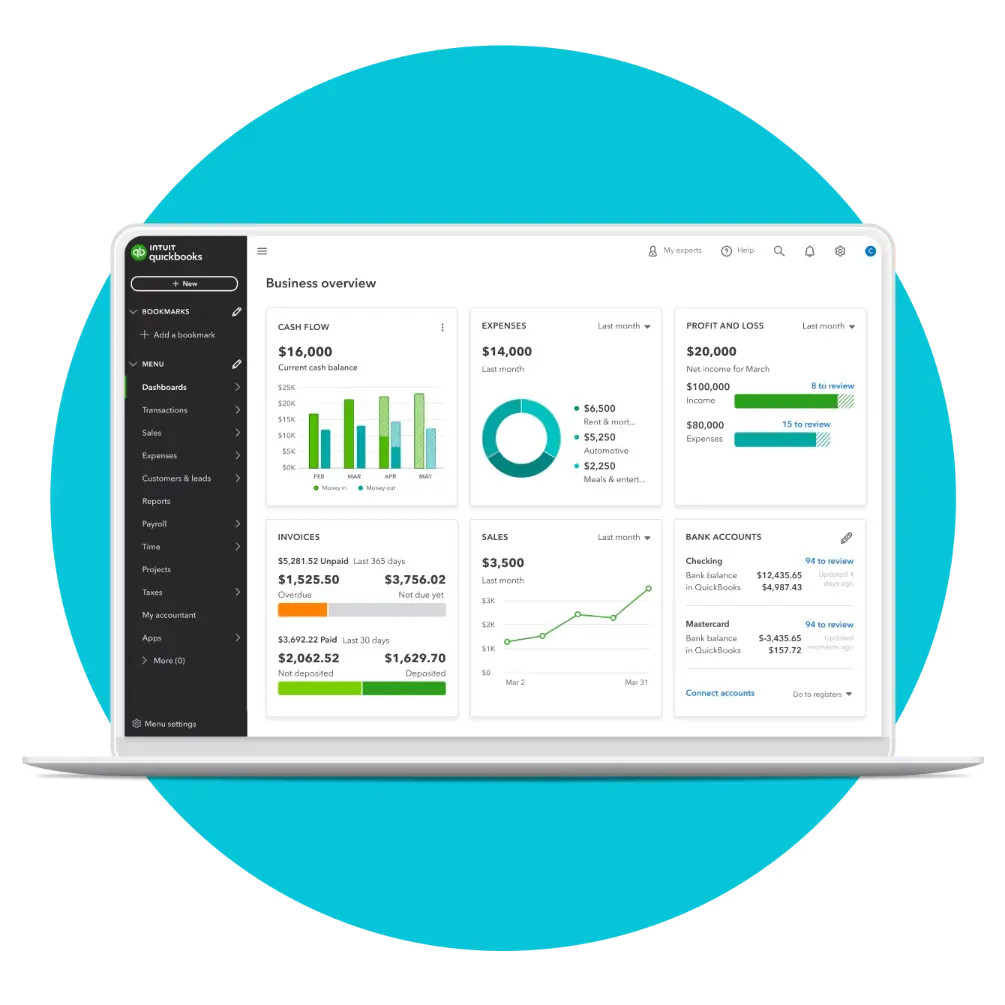
Cash flow is critical for self-employed businesses, especially when income is irregular. Accounting software provides real-time visibility into your financial position.
Invoicing tools help you get paid faster, while dashboards show outstanding invoices and upcoming expenses. Expense tracking ensures you understand where money is going and where savings can be made.
By improving visibility, accounting software helps you plan ahead, manage quieter periods and make confident financial decisions.
Scaling as a Self-Employed Business
Many self-employed individuals plan to grow their business over time. Choosing scalable accounting software makes this transition easier.
The best self employed accounting software allows you to add features such as VAT tracking, additional users or more advanced reporting as your business evolves. This avoids the disruption of switching systems later.
Cloud Accounting for Self-Employed Professionals
Cloud-based accounting software allows you to access your finances anywhere, at any time. This flexibility is ideal for self-employed professionals who work remotely or travel.
Cloud systems also offer strong security, automatic backups and easy collaboration with accountants or advisers.
Xero vs Sage vs QuickBooks comparison
When comparing accounting software for self employed individuals, it is essential to look beyond brand recognition and assess how each platform supports the real-world needs of sole traders. The best accounting software for self employed users should simplify bookkeeping, provide accurate tax visibility, and remain affordable as your business grows.
Below is a deeper comparison of the three most widely used platforms in the UK.
Xero for Self Employed
Xero is widely regarded as one of the strongest all-round options for self employed accounting software. Its interface is clean and intuitive, making it suitable for sole traders with little or no accounting background.
Key strengths include:
- Automated bank feeds with excellent UK bank coverage
- Real-time tracking of income and expenses
- Strong bookkeeping for self employed workflows
- Clear tax estimates to support Self Assessment planning
- Easy collaboration with accountants
Xero is particularly well suited to self-employed professionals who want automation and visibility without complexity. It scales well if you later register for VAT or expand operations, making it a long-term solution rather than a short-term fix.
Sage for Self Employed
Sage has a long-standing reputation in the UK accounting market and is trusted by many accountants. Its self-employed plans focus heavily on compliance and structure.
Key strengths include:
- Strong UK tax and HMRC alignment
- Reliable invoicing and expense tracking
- Simple tools for bookkeeping for self employed users
- Clear reporting for tax submissions
Sage is often chosen by sole traders who prioritise traditional accounting structure and HMRC confidence. While its interface is slightly more conservative than Xero’s, it remains a dependable choice for tax-focused self-employed users.
QuickBooks for Self Employed
QuickBooks offers flexible features and strong reporting tools, appealing to self-employed individuals who want deeper financial insight.
Key strengths include:
- Detailed cash flow and profit reporting
- Automated expense categorisation
- Useful tools for tax software self employed planning
- Integration with third-party apps
QuickBooks can suit self-employed users who want granular reporting and forecasting. However, some users find the interface less intuitive compared to Xero, especially at the early stages.
- ✓Automated transaction categorisation for MTD-ready bookkeeping
- ✓VAT tracking and making tax digital submissions to HMRC
- ✓MTD-aligned reporting to support quarterly updates
- ✓Custom invoicing with payment tracking
- ✓Receipt capture and expense tracking
- ✓Secure bank feeds for real-time records
- ✓MTD-ready bookkeeping with automated bank reconciliation
- ✓VAT tracking and digital submissions built for UK businesses
- ✓Real-time dashboards for quarterly performance visibility
- ✓Multi-user access for accountants and teams
- ✓Receipt capture to strengthen digital audit trails
- ✓Integrations designed to keep MTD compliance simple
- ✓HMRC-compliant VAT and MTD reporting tools
- ✓Structured bookkeeping aligned to UK standards
- ✓Clear reporting for MTD-style quarterly updates
- ✓Invoice and credit control for cash flow
- ✓Director-friendly monthly reporting
- ✓Cloud and desktop access options
- ✓MTD-ready VAT workflows for compliant submissions
- ✓Digital record keeping for making tax digital
- ✓Automated invoicing and payment tracking
- ✓Bank feeds and reconciliation to reduce admin
- ✓Works well with other Zoho business apps
- ✓$100 credits usable across the Zoho ecosystem
Tax Software Self-Employed and HMRC Compliance
Tax is often the most stressful aspect of self-employment. Using reliable tax software self employed professionals depend on helps reduce uncertainty and improve compliance.
Modern accounting software calculates estimated Income Tax and National Insurance based on your real-time data. This allows you to set aside money throughout the year instead of scrambling before deadlines.
Accurate digital records also support HMRC compliance and prepare you for initiatives such as Making Tax Digital. While requirements may evolve, using digital accounting software positions you well for future changes.
Many platforms also make it easy to share data with an accountant, reducing costs and improving accuracy.
Promotional Offer Details: Xero Accounting Software for Self Employed
For self-employed individuals starting out or switching software, cost is often a major deciding factor. At the time of writing, Xero offers one of the most competitive promotions available for accounting software for self employed users.
Xero Offer Summary
- 90% off for 6 months
- Available to new Xero customers
- Applies to standard subscription plans
- Ideal for sole traders and self-employed professionals
This promotion significantly lowers the barrier to using professional self employed accounting software. Instead of committing to full monthly pricing immediately, you can set up your bookkeeping, invoicing and tax tracking at a fraction of the usual cost.
Why This Matters for Self Employed Users
Many self-employed people delay using accounting software due to cost concerns. However, manual bookkeeping often leads to:
- Missed expenses
- Incorrect tax estimates
- Time-consuming admin
- Stress around Self Assessment deadlines
By using discounted professional software early, you can:
- Establish clean bookkeeping habits
- Track tax liabilities accurately
- Save time every month
- Avoid costly mistakes
You can access the Xero self-employed offer here:
👉 https://accountingsoftwaredeals.co.uk/recommends/xero-offer/
Subject to eligibility. Offers may change — always check current terms and conditions before signing up.

Accounting Software for Self Employed FAQs
Do I legally need accounting software if I am self employed?
No, accounting software is not legally required. However, HMRC requires accurate records. Accounting software for self employed users makes this significantly easier and reduces the risk of errors or penalties.
Is accounting software suitable for sole traders with small incomes?
Yes. Even small self-employed businesses benefit from structured bookkeeping for self employed users. It helps track expenses properly and ensures you do not overpay tax.
Can accounting software calculate my tax?
Most tax software self employed platforms provide estimated Income Tax and National Insurance calculations. These are estimates, not final figures, but they are extremely useful for budgeting.
Can accounting software replace my accountant?
No. Accounting software supports your bookkeeping and record-keeping but does not replace professional advice. Many accountants prefer clients who use proper self employed accounting software.
Is cloud accounting safe for self employed users?
Yes. Reputable providers use encryption, secure servers and automatic backups. Cloud accounting is often safer than storing data locally.
Can I claim expenses easily using accounting software?
Yes. Expense tracking is a core feature of bookkeeping for self employed systems. You can categorise costs and store receipts digitally.
Does accounting software help with Self Assessment?
Yes. Most platforms summarise income and expenses in a way that makes Self Assessment submissions much easier.
What if my business grows later?
The best accounting software for self employed users is scalable. You can add VAT, reporting or advanced features as your business evolves.
Can I access accounting software on my phone?
Yes. Most modern platforms include mobile apps for invoicing, expense capture and cash flow checks.
Is free accounting software good enough?
Free tools often lack automation, tax visibility and HMRC alignment. Paid self employed accounting software usually saves more time than it costs.
Can I switch accounting software later?
Yes, but migrating data can be time-consuming. Choosing scalable software early is usually more efficient.
Does accounting software support Making Tax Digital?
Most leading platforms are MTD-ready or aligned with future requirements. Rules may change, so always check current HMRC guidance.
Recap: Accounting Software for Self Employed
Accounting software for self employed individuals is no longer just a convenience — it has become an essential tool for running a compliant, efficient and financially healthy business in the UK. As a sole trader, you are responsible for tracking income, managing expenses, preparing for tax and keeping accurate records that meet HMRC requirements. Without the right systems in place, this can quickly become overwhelming.
Modern self employed accounting software removes much of that burden by automating bookkeeping for self employed professionals. Instead of manually entering figures into spreadsheets or worrying about lost receipts, software handles transaction imports, categorisation and record storage for you. This not only saves time but significantly improves accuracy, reducing the risk of errors that could lead to overpaying tax or facing HMRC queries.
Throughout this guide, we have explored what makes the best accounting software for self employed users. Key factors include ease of use, automation, reliable tax estimates, and the ability to scale as your business grows. Good tax software self employed individuals rely on should give you ongoing visibility into Income Tax and National Insurance, helping you budget throughout the year rather than scrambling at deadlines.
We also compared three of the most established UK platforms — Xero, Sage and QuickBooks. Each offers credible solutions, but their strengths differ depending on how you work. Xero stands out for many self-employed professionals due to its balance of simplicity, automation and flexibility, while Sage appeals to those who prioritise UK compliance, and QuickBooks suits users who want more detailed reporting.
Ultimately, the right accounting software allows self-employed individuals to move away from reactive financial management and towards clarity, confidence and control.
Conclusion: Choosing Accounting Software for Self Employed individuals
Choosing the right accounting software for self employed work is one of the smartest investments you can make in your business. It affects not only how you manage money today, but how confidently you can grow, plan and stay compliant in the future.
In 2026, expectations around digital record-keeping, tax accuracy and transparency continue to increase. Relying on spreadsheets or manual systems puts unnecessary pressure on self-employed individuals and increases the risk of mistakes. In contrast, professional self employed accounting software provides structure, automation and peace of mind.
The best accounting software for self employed professionals does more than store numbers. It simplifies bookkeeping for self employed users, provides real-time tax insight, improves cash flow visibility and supports better decision-making. Importantly, it allows you to focus on running your business — not chasing receipts or worrying about HMRC deadlines.
When comparing options, prioritise software that is easy to use, reliable, scalable and well aligned with UK tax rules. While Sage and QuickBooks remain strong contenders, Xero offers one of the most balanced solutions for self-employed individuals, particularly when factoring in automation and current pricing incentives.
If you are setting up accounting systems for the first time, or considering switching from manual methods, now is an ideal moment to act. You can explore a leading option and take advantage of a substantial saving here:
👉 https://accountingsoftwaredeals.co.uk/recommends/xero-offer/
With 90% off for 6 months (subject to eligibility and current terms), this offer makes it far easier to adopt professional accounting software for self employed use without committing to high upfront costs.
By choosing the right software today, you put your self-employed business on a stronger footing — with better records, clearer tax planning and far less stress as your business grows.
Subject to eligibility; offers may change. Always review current terms and conditions before subscribing.
Disclaimer: The content on this website is intended for informational purposes only and should not be construed as legal, financial, or professional advice. While we strive to ensure that the information is accurate and up-to-date at the time of publication, please be aware that regulations and circumstances may change. We recommend consulting with a qualified professional for personalised guidance specific to your situation. Additionally, some links on this website may be affiliate links, meaning we may earn a commission if you make a purchase through those links. Please ensure you read and understand all terms and conditions before making any decisions.
Xero Relationship Disclosure: This website is independent and not affiliated with or endorsed by Xero. We may earn a commission if you sign up to Xero via our referral links.
- Zoho Books Accountancy Software Review
 Introduction Choosing the right accounting platform is one of the most important decisions a sole trader or small business can make. Your software underpins how you invoice customers, manage expenses, track cash flow, submit VAT returns, and ultimately understand whether your business is profitable. In this zoho books accounting software guide, we provide a comprehensive,… Read more: Zoho Books Accountancy Software Review
 - Xero vs Zoho Books for Small Businesses (2026)
 Introduction Choosing accounting software is one of the most important decisions a sole trader or small business owner can make. The right platform saves time, reduces stress around tax, and gives you clearer insight into cash flow and profitability. The wrong one can feel restrictive, confusing, or unnecessarily expensive as your business grows. That’s why… Read more: Xero vs Zoho Books for Small Businesses (2026)
 - Zoho Books vs Sage for Small Businesses (2026 Comparison Guide)
 Introduction Choosing the right accounting software is one of the most important early decisions a sole trader or small business can make. The right platform can save hours each month, reduce accounting fees, improve cash flow visibility, and ensure you stay compliant with UK tax rules. The wrong choice can lead to frustration, missed deadlines,… Read more: Zoho Books vs Sage for Small Businesses (2026 Comparison Guide)
 - Sage vs QuickBooks Accounting Software Comparison
 Introduction Choosing the right accounting software can have a lasting impact on how efficiently your business operates, how confident you feel about compliance, and how much time you spend managing finances instead of growing your company. For UK sole traders and small businesses, the comparison most often searched is sage vs quickbooks—and for good reason.… Read more: Sage vs QuickBooks Accounting Software Comparison
 - Xero vs QuickBooks for Small Businesses
 Introduction Choosing accounting software is no longer just about bookkeeping. For UK sole traders and SMEs in 2026, it directly affects compliance, cash flow visibility, and how confidently you can scale your business. That is why the comparison between xero vs quickbooks remains one of the most searched and debated topics in small business finance.… Read more: Xero vs QuickBooks for Small Businesses
 - How to Prepare for Making Tax Digital
 Introduction Making Tax Digital (MTD) is no longer a future concept for UK businesses — it is an active, expanding HMRC initiative that continues to reshape how sole traders and SMEs manage their tax obligations. If you’re searching for guidance on how to prepare for making tax digital, you’re not alone. Thousands of business owners… Read more: How to Prepare for Making Tax Digital
 - Free Making Tax Digital Software – Options, Limits & Deals (2026 Guide)
 Introduction The search for free making tax digital software has become increasingly common among UK sole traders and small and medium-sized enterprises. As Making Tax Digital continues to expand across VAT, Income Tax Self Assessment, and future corporation tax requirements, more business owners are discovering that digital record keeping is no longer optional. For many,… Read more: Free Making Tax Digital Software – Options, Limits & Deals (2026 Guide)
 - Best Accounting Software for Making Tax Digital
 Introduction Making Tax Digital (MTD) is no longer a future concern for UK businesses – it is a present-day requirement that continues to expand in scope. For sole traders, landlords, and SMEs, understanding how to comply with HMRC’s digital tax rules is now essential, not optional. At the heart of that compliance sits your choice… Read more: Best Accounting Software for Making Tax Digital
 - Making Tax Digital for Landlords
 Introduction Making Tax Digital for landlords is one of the most significant changes to the UK tax system in decades, and by 2026 it is no longer something landlords can afford to ignore. Whether you own a single buy-to-let property or manage a growing portfolio, HMRC’s push towards digital record-keeping and reporting will directly affect… Read more: Making Tax Digital for Landlords