
Introduction
Making Tax Digital (MTD) is no longer a future concern for UK businesses – it is a present-day requirement that continues to expand in scope. For sole traders, landlords, and SMEs, understanding how to comply with HMRC’s digital tax rules is now essential, not optional. At the heart of that compliance sits your choice of accounting software.
Choosing the best accounting software for making tax digital can save you time, reduce errors, improve cash flow visibility, and remove much of the stress traditionally associated with tax submissions. The wrong software, however, can lead to missed deadlines, incorrect filings, and unnecessary costs.
MTD requires businesses to keep digital records and submit tax data directly to HMRC using compatible software. This means spreadsheets alone are no longer sufficient for most taxpayers. Instead, you need reliable, HMRC-recognised tools that integrate seamlessly with government systems while also supporting day-to-day accounting tasks such as invoicing, expenses, VAT tracking, and reporting.
In 2026, the landscape of MTD-compliant accounting software is mature but competitive. Providers have invested heavily in automation, usability, and integrations, giving business owners more choice than ever. However, with that choice comes complexity. Features, pricing, suitability, and levels of automation vary significantly between platforms.
This guide is designed to help you understand what makes the best MTD accounting software, which providers lead the market, and how to choose the right solution for your business. We’ll explore the key requirements of Making Tax Digital, compare the major software platforms, and highlight why many UK businesses continue to choose Xero as their long-term accounting partner.
If you are looking to compare options straight away, you can explore deals on leading MTD-compliant software here, including Xero Accounting Software – get 80% off for 6 months via our exclusive offer: 👉 https://accountingsoftwaredeals.co.uk/recommends/xero-offer/
Subject to eligibility; offers may change.
Best Accounting Software for Making Tax Digital at a Glance
Choosing the best accounting software for Making Tax Digital depends on your business size, accounting needs and future growth plans. While every platform featured below is compatible with HMRC’s Making Tax Digital requirements, each has its own strengths. This quick summary highlights which software is best suited to different types of UK businesses before we explore each option in more detail.
Best overall: Xero
Best for sole traders: QuickBooks
Best for established SMEs: Sage
Best for freelancers and contractors: FreeAgent
Best budget option: Zoho Books
Best accountant support: Xero
Contents
- What Is Making Tax Digital and Who Must Comply
- Why Accounting Software Is Essential for MTD Compliance
- What Makes the Best Accounting Software for Making Tax Digital
- HMRC Recognition and MTD Compatibility Explained
- Best Accounting Software for Making Tax Digital: Core Providers Compared
- Xero for Making Tax Digital: Features, Benefits, and Suitability
- Sage Accounting for Making Tax Digital
- QuickBooks for Making Tax Digital
- Zoho Books for Making Tax Digital
- How to Choose the Right MTD Accounting Software for Your Business
- Product Comparison Overview: Xero, Sage, QuickBooks, and Zoho Books
- Frequently Asked Questions About MTD Accounting Software
- Recap: Finding the Best Accounting Software for Making Tax Digital
- Conclusion and Exclusive Xero Offer
What Is Making Tax Digital and Who Must Comply
Making Tax Digital (MTD) is HMRC’s initiative to modernise the UK’s tax system by requiring businesses to keep digital records and submit tax information using compatible software.
If you’re unfamiliar with the rules, read our Making Tax Digital Explained guide, which covers who must comply, key deadlines, and how the system works.
This guide focuses on the next step – choosing the best accounting software for Making Tax Digital.
Why Accounting Software Is Essential for MTD Compliance
Accounting software is the backbone of Making Tax Digital compliance. HMRC’s rules are explicit: digital records must be kept, and submissions must be made using compatible software. This eliminates many traditional methods of bookkeeping and places modern accounting platforms at the centre of compliance.
At a practical level, accounting software automates calculations that would otherwise be prone to human error. VAT totals, income figures, allowable expenses, and adjustments are all calculated consistently based on your digital records. This reduces mistakes and lowers the risk of HMRC penalties.
Software also creates an audit trail. Every transaction, edit, and submission is recorded, making it easier to respond to HMRC queries or accountant reviews. For SMEs and sole traders, this transparency can be invaluable.
Another key benefit is time savings. Manual bookkeeping and spreadsheet reconciliation can consume hours each week. The best MTD accounting software automates bank feeds, categorises transactions, and generates real-time reports. This allows business owners to focus on growth rather than administration.
From a compliance perspective, software providers update their platforms in line with HMRC requirements. This ensures your business remains compliant even as regulations evolve. Relying on outdated tools can leave you exposed when rules change.
Finally, accounting software supports collaboration. Many platforms allow accountants or bookkeepers to access your data securely, reducing email back-and-forth and improving accuracy.
In short, accounting software is not just a compliance requirement; it is a strategic tool that can improve how you manage and understand your business finances.
What Makes the Best Accounting Software for Making Tax Digital
The best accounting software for making tax digital is not defined by a single feature. Instead, it combines compliance, usability, automation, and scalability into one cohesive platform.
First and foremost, MTD compatibility is essential. The software must be recognised by HMRC and capable of submitting VAT returns and other required updates directly through the MTD system. Without this, compliance is not possible.
Ease of use is equally important. Many sole traders and small business owners are not accounting experts. Intuitive dashboards, clear reporting, and straightforward workflows make a significant difference to day-to-day usability.
Automation is another defining factor. Bank feeds, transaction categorisation, VAT calculations, and invoice reminders all reduce manual input. This not only saves time but also reduces errors.
Scalability matters too. A sole trader today may become a limited company tomorrow. The best MTD compliant software grows with your business, offering advanced features as your needs evolve.
Integrations are often overlooked but crucial. Payroll, payment processing, expense management, and CRM integrations can streamline operations and reduce duplication.
Finally, value for money should not be ignored. Pricing varies widely, and the cheapest option is not always the most cost-effective in the long term. Consider what features are included and whether they genuinely support compliance and efficiency.
These criteria form the basis for evaluating the leading MTD accounting platforms in the UK market.
Which Accounting Software Is Best for Different Types of Businesses?
The best accounting software for Making Tax Digital depends on how your business operates.
Sole traders generally benefit from simple, affordable software with automated bookkeeping and straightforward tax submissions. If you’re self-employed, our guide to Best Accounting Software for Sole Traders explains which platforms are most suitable.
Freelancers often prioritise mobile invoicing, expense tracking and integrations with payment providers. Read our Best Accounting Software for Freelancers guide for a detailed comparison.
Landlords typically need software that simplifies rental income and expense tracking while preparing for MTD for Income Tax. You may also find our Making Tax Digital for Landlords guide helpful.
Growing SMEs usually require more advanced reporting, multi-user access and integrations with payroll, inventory or CRM systems. Our Best Accounting Software for Small Businesses guide compares the leading options in more detail.
While every platform featured in this guide supports Making Tax Digital, choosing software that matches your business type will often deliver greater long-term value than simply selecting the cheapest option.
HMRC Recognition and MTD Compatibility Explained
HMRC does not approve individual features; instead, it recognises software as compatible with Making Tax Digital requirements. This recognition confirms that the platform can maintain digital records and submit required data through HMRC’s systems.
When assessing the best MTD accounting software, it is essential to verify HMRC compatibility. Most leading providers prominently display this status, but businesses should always double-check, especially when choosing newer or niche platforms.
MTD compatibility includes several components. Digital record keeping ensures transactions are stored electronically in a compliant format. Digital links ensure data flows automatically from records to submissions without manual intervention. Direct submission ensures returns are filed through the MTD API.
Software updates play a critical role here. HMRC requirements evolve, and compliant platforms update accordingly. This reduces the compliance burden on businesses, who otherwise would need to monitor regulatory changes closely.
It is also worth noting that HMRC recognises both full accounting software and bridging software. However, full accounting platforms offer greater automation and long-term benefits, making them the preferred choice for most SMEs.
Businesses should also remember that HMRC regularly updates its list of recognised software providers. Before purchasing any platform, it’s worth checking that it supports the specific Making Tax Digital obligations that apply to your business, such as VAT or Income Tax, rather than assuming every product offers identical functionality.
If you’re still getting your business ready, follow our How to Prepare for Making Tax Digital checklist before selecting your software.
Best Accounting Software for Making Tax Digital: Core Providers Compared
Choosing the best accounting software for Making Tax Digital isn’t simply about selecting HMRC-compatible software. The right platform should also make bookkeeping easier, automate routine tasks and provide the tools your business needs as it grows. While all of the providers below support Making Tax Digital, they differ in usability, automation, reporting, integrations and the types of businesses they are best suited to.
The comparison below provides a quick overview of the leading MTD-compatible accounting software available in the UK, helping you identify which platform is most likely to meet your current and future business requirements before reading our detailed reviews.
Xero is widely regarded as the most user-friendly and scalable option. Its cloud-first design, strong automation, and extensive integration ecosystem make it particularly popular with accountants and growing businesses.
Sage has a long-established presence in the UK and is trusted by many traditional businesses. It offers robust compliance features but can feel more rigid than newer cloud-native platforms.
QuickBooks combines strong automation with competitive pricing. It is especially popular among small service-based businesses and freelancers.
FreeAgent is particularly well suited to freelancers, contractors, sole traders and landlords looking for straightforward, HMRC-compliant accounting software. Its intuitive interface, built-in automation and Making Tax Digital compatibility make it an excellent choice for smaller businesses, while eligible NatWest, Royal Bank of Scotland, Ulster Bank and Mettle customers can access it at no additional cost.
Zoho Books is often chosen by cost-conscious businesses or those already using Zoho’s wider ecosystem. It offers solid MTD compliance but fewer UK-specific integrations.
All five platforms meet HMRC’s Making Tax Digital requirements, but the best choice depends on your business size, accounting needs, budget and long-term growth plans.
If you want to compare these options side by side and access exclusive discounts, including 80% off Xero for 6 months, you can view the latest deals here:
👉 https://accountingsoftwaredeals.co.uk/recommends/xero-offer/
Subject to eligibility; offers may change.
Xero for Making Tax Digital: Features, Benefits, and Suitability
Xero is one of the strongest all-round accounting platforms for Making Tax Digital, particularly for sole traders, growing businesses and SMEs that want a balance of automation, ease of use and scalability. While no single platform is right for every business, Xero consistently performs well across the areas most businesses value, including usability, accountant support, integrations and long-term flexibility.
Xero fully supports Making Tax Digital for VAT and integrates seamlessly with HMRC systems. VAT calculations, digital record keeping, and direct submissions are all handled within the platform. This ensures compliance without additional tools or workarounds.
One of Xero’s standout strengths is usability. The dashboard provides real-time insights into cash flow, outstanding invoices, and tax liabilities. For sole traders and SMEs, this clarity can significantly improve financial decision-making.
Automation is another major advantage. Bank feeds update daily, transactions are automatically categorised, and VAT is calculated in the background. This reduces bookkeeping time and minimises errors.
Xero also excels in scalability. It supports businesses as they grow, offering features such as multi-currency accounting, project tracking, and advanced reporting. Its extensive app marketplace allows businesses to add functionality as needed.
Accountant collaboration is seamless, with many UK accountants recommending Xero as their preferred platform. This can reduce accountancy costs and improve communication.
Perhaps most compelling is the current offer: Get 80% off Xero Accounting Software for 6 months. This significantly lowers the barrier to entry, allowing businesses to access premium MTD-compliant software at a fraction of the usual cost.
👉 Claim the Xero offer here: https://accountingsoftwaredeals.co.uk/recommends/xero-offer/
Subject to eligibility; offers may change.
Sage Accounting for Making Tax Digital
Sage is one of the most established accounting software providers in the UK, with decades of experience supporting businesses across industries. Its accounting products are fully compatible with Making Tax Digital requirements, including VAT submissions.
Sage Accounting offers structured workflows that appeal to businesses seeking clear processes and compliance-focused features. VAT returns can be prepared and submitted directly through the platform, ensuring HMRC requirements are met.
However, Sage’s interface can feel more traditional compared to newer cloud-first platforms. While powerful, it may require a steeper learning curve for sole traders unfamiliar with accounting software.
Sage integrates well with payroll and other business tools, making it suitable for businesses with more complex needs. Pricing is generally higher than entry-level competitors, but this reflects its comprehensive feature set.
For established SMEs or those transitioning from desktop accounting systems, Sage remains a reliable and trusted option for MTD compliance.
QuickBooks for Making Tax Digital
QuickBooks Online is a strong contender in the MTD accounting space, particularly among small service-based businesses and freelancers. It offers full HMRC MTD compatibility and direct VAT submissions.
QuickBooks is known for its automation features, including bank feeds, receipt capture, and expense tracking. These tools reduce manual bookkeeping and improve accuracy.
The platform also offers competitive pricing and frequent promotions, making it accessible to startups and sole traders. Its reporting tools provide useful insights, although some advanced features are limited to higher-tier plans.
QuickBooks integrates well with payment platforms and third-party apps, supporting streamlined operations. While its UK accountant ecosystem is slightly smaller than Xero’s, it remains widely supported.
Overall, QuickBooks offers a balance of affordability, automation, and compliance, making it a solid option for many small businesses.
FreeAgent for Making Tax Digital
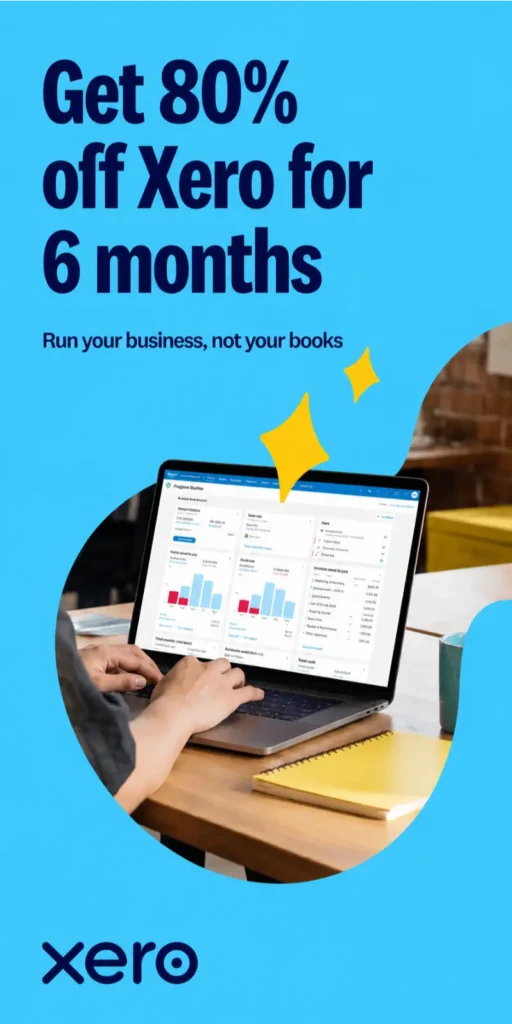
FreeAgent is a popular cloud accounting platform designed primarily for freelancers, contractors, sole traders and small businesses. It is fully compatible with Making Tax Digital (MTD), allowing users to keep digital records, manage VAT and submit returns directly to HMRC using compliant software.
One of FreeAgent’s biggest strengths is its simplicity. The platform has been designed for business owners rather than accountants, making it easy to create invoices, record expenses, reconcile bank transactions and monitor tax obligations through a clean, intuitive dashboard. This makes it particularly attractive to businesses moving away from manual bookkeeping or spreadsheets.
FreeAgent also includes a range of automation features, including bank feeds, recurring invoices, receipt capture and real-time tax calculations. These tools help reduce administrative work while keeping digital records accurate and compliant with HMRC’s Making Tax Digital requirements.
Another advantage is that FreeAgent is available at no additional cost to eligible NatWest, Royal Bank of Scotland, Ulster Bank and Mettle business account customers. For businesses that qualify, this provides excellent value while still delivering the core features needed for Making Tax Digital compliance.
While FreeAgent is an excellent choice for freelancers, contractors and smaller businesses, organisations with more complex reporting requirements or ambitious growth plans may eventually benefit from platforms such as Xero, which offer broader functionality, more advanced reporting and a larger ecosystem of third-party integrations.
Zoho Books for Making Tax Digital
Zoho Books is part of the wider Zoho business software ecosystem and offers HMRC MTD compatibility for UK businesses. It supports digital record keeping and VAT submissions in line with HMRC rules.
Zoho Books is often praised for its value for money. Pricing is competitive, and the platform includes features such as invoicing, expenses, and reporting.
However, Zoho Books has fewer UK-specific integrations than its competitors. Businesses heavily reliant on local payroll or sector-specific tools may find this limiting.
For businesses already using Zoho CRM or other Zoho products, Zoho Books can be an attractive option due to ecosystem integration. It is particularly suitable for cost-conscious sole traders with straightforward accounting needs.
How to Choose the Right MTD Accounting Software for Your Business
Choosing the best MTD accounting software depends on your business structure, complexity, and future plans. Sole traders may prioritise simplicity and cost, while SMEs may need scalability and advanced reporting.
Consider your current compliance requirements and upcoming changes. If you expect to fall under MTD for Income Tax soon, choose software that supports this roadmap.
Ease of use should not be underestimated. A platform you understand and use consistently is more valuable than one with unused advanced features.
Integration needs are also important. Payroll, payments, inventory, and CRM tools can significantly improve efficiency when connected to your accounting software.
Finally, consider support and accountant preference. Using software your accountant already supports can save time and money.
Product Comparison Overview: Xero, Sage, QuickBooks, and Zoho Books
Every provider featured below is HMRC-recognised and compatible with Making Tax Digital, but each excels in different areas.. Rather than asking which platform is objectively “best”, the better question is which one best fits your business, budget and future plans.
The comparison below highlights the strengths, ideal users and key differences between the UK’s leading MTD-compatible accounting software.
If you are considering Xero, remember you can currently access 80% off for 6 months via this exclusive link: 👉 https://accountingsoftwaredeals.co.uk/recommends/xero-offer/
Subject to eligibility; offers may change.
| Software | Best For | HMRC MTD Compatible | Ease of Use | Standout Strength |
|---|---|---|---|---|
| Xero | Growing businesses & SMEs | Yes | Excellent | Automation, scalability and accountant support |
| QuickBooks | Sole traders & freelancers | Yes | Excellent | Simple bookkeeping and strong automation |
| Sage | Established businesses | Yes | Very Good | Robust compliance and reporting |
| FreeAgent | Freelancers, contractors & landlords | Yes | Excellent | Designed for self-employed users and simple tax management |
| Zoho Books | Budget-conscious businesses | Yes | Very Good | Excellent value and integration with the Zoho ecosystem |
- ✓Automated transaction categorisation for MTD-ready bookkeeping
- ✓VAT tracking and making tax digital submissions to HMRC
- ✓MTD-aligned reporting to support quarterly updates
- ✓Custom invoicing with payment tracking
- ✓Receipt capture and expense tracking
- ✓Secure bank feeds for real-time records
- ✓MTD-ready bookkeeping with automated bank reconciliation
- ✓VAT tracking and digital submissions built for UK businesses
- ✓Real-time dashboards for quarterly performance visibility
- ✓Multi-user access for accountants and teams
- ✓Receipt capture to strengthen digital audit trails
- ✓Integrations designed to keep MTD compliance simple
- ✓HMRC-compliant VAT and MTD reporting tools
- ✓Structured bookkeeping aligned to UK standards
- ✓Clear reporting for MTD-style quarterly updates
- ✓Invoice and credit control for cash flow
- ✓Director-friendly monthly reporting
- ✓Cloud and desktop access options
- ✓MTD-ready VAT workflows for compliant submissions
- ✓Digital record keeping for making tax digital
- ✓Automated invoicing and payment tracking
- ✓Bank feeds and reconciliation to reduce admin
- ✓Works well with other Zoho business apps
- ✓$100 credits usable across the Zoho ecosystem
Common Mistakes When Choosing MTD Accounting Software
Choosing software based on price alone is one of the most common mistakes businesses make.
Before committing to a platform, consider:
- Whether it supports future MTD requirements.
- Whether your accountant recommends it.
- How easy it is to use every day.
- Whether it integrates with your existing systems.
- The quality of customer support.
- How easy it will be to scale as your business grows.
Investing slightly more in the right platform can often save significant time, reduce errors and avoid the cost of switching software later.
How Making Tax Digital Accounting Software Works in Practice
Understanding how Making Tax Digital accounting software works in real life is just as important as knowing which platform to choose. For many sole traders and SMEs, the biggest concern isn’t compliance itself, but how the software fits into everyday business operations.
At a practical level, MTD accounting software replaces fragmented financial processes with one connected digital system. Instead of managing invoices in one place, expenses in another, and tax calculations in spreadsheets, everything flows through a single platform that maintains HMRC-compliant digital records automatically.
The process typically starts with bank feeds. Once connected, your accounting software pulls transactions directly from your business bank account on a daily basis. These transactions are then categorised using smart rules or automation. Over time, the software “learns” how you operate, improving accuracy and reducing manual work.
Next comes invoicing and expenses. Invoices are created within the software and sent directly to customers, with payments automatically matched when funds hit your bank. Expenses can be uploaded via mobile apps using receipt capture, ensuring records are stored digitally from the outset. This is a key requirement under Making Tax Digital.
For VAT-registered businesses, the software continuously calculates VAT in the background. Rather than scrambling at the end of the quarter, your VAT position is visible in real time. When it’s time to submit, MTD-compatible software sends the VAT return directly to HMRC through a secure digital link, eliminating manual entry and reducing errors.
Under MTD for Income Tax, quarterly updates follow a similar principle. Income and expenses are tracked throughout the year, and summary figures are submitted digitally. This gives both businesses and HMRC a clearer picture of tax liabilities well before the year-end deadline.
One of the most overlooked benefits of the best MTD accounting software is visibility. Real-time dashboards show cash flow, tax owed, outstanding invoices, and upcoming deadlines in one place. This allows business owners to make better decisions and avoid unexpected tax bills.
Finally, collaboration becomes far simpler. Accountants can access the same live data, review figures, and make adjustments without exchanging spreadsheets or emails. This often leads to lower accountancy costs and fewer errors.
In short, Making Tax Digital software isn’t just about compliance. When used properly, it becomes a central financial hub that saves time, improves accuracy, and gives you far more control over your business finances.

Our Overall Recommendation
If you’re looking for the best all-round accounting software for Making Tax Digital, Xero is our preferred recommendation because it combines HMRC compatibility, automation, ease of use and excellent accountant support.
However, every business is different. Sage remains a strong choice for established organisations, QuickBooks is an excellent option for many sole traders and small businesses, FreeAgent is particularly well suited to freelancers, contractors and landlords, while Zoho Books offers excellent value for businesses already using the wider Zoho ecosystem.
The best software is ultimately the one that supports both your current compliance requirements and your future growth.
Frequently Asked Questions About the best Making Tax Digital Software
What is the best accounting software for making tax digital?
The best accounting software for making tax digital is software that is fully HMRC-recognised, easy to use, and capable of keeping digital records and submitting tax data directly to HMRC. For most UK sole traders and SMEs, cloud-based platforms such as Xero, Sage, QuickBooks, and Zoho Books are considered the best MTD accounting software options. The right choice depends on your business size, level of automation needed, and whether you want scalability as your business grows.
What is the best accounting software for MTD compliance in the UK?
The best accounting software for MTD compliance is one that meets HMRC’s digital record-keeping and digital submission requirements without relying on manual processes. The best HMRC MTD software allows VAT returns and other tax updates to be submitted directly through secure digital links. Xero, Sage, QuickBooks, and Zoho Books are widely regarded as the best MTD compliant software platforms currently available in the UK.
Do sole traders need accounting software for Making Tax Digital?
Yes, sole traders who fall within the scope of Making Tax Digital must use MTD-compatible accounting software. If you are VAT-registered or required to comply with MTD for Income Tax, you must keep digital records and submit updates using best MTD accounting software or approved alternatives. Even sole traders not yet mandated often choose MTD software early to simplify bookkeeping and stay prepared for future HMRC changes.
What is the best HMRC MTD software for small businesses?
The best HMRC MTD software for small businesses is software that combines compliance with automation and usability. Small businesses benefit most from platforms that automate bank feeds, VAT calculations, and reporting. Xero is often rated as the best accounting software for making tax digital for small businesses due to its simplicity, automation, and strong UK accountant support, but Sage, QuickBooks, and Zoho Books also meet HMRC standards.
Is Excel allowed under Making Tax Digital?
Excel on its own is not compliant with Making Tax Digital rules. HMRC requires digital records to be linked electronically to tax submissions. While bridging software can connect spreadsheets to HMRC, this approach lacks automation and increases risk. Most businesses choose the best MTD accounting software instead, as it provides full compliance, reduces errors, and saves time compared to spreadsheet-based processes.
What does MTD compatible accounting software actually do?
MTD compatible accounting software keeps financial records digitally, calculates tax automatically, and submits returns directly to HMRC. The best accounting software for MTD also connects to your bank, tracks income and expenses in real time, and maintains digital links between records and submissions. This removes the need for manual calculations and significantly reduces the risk of errors or missed deadlines.
Is free accounting software MTD compliant?
Some free accounting tools offer limited MTD compliance, but they often lack automation, support, and scalability. While they may technically meet HMRC requirements, they are rarely considered the best accounting software for making tax digital. Most SMEs and sole traders find that paid MTD accounting software provides better long-term value, improved accuracy, and stronger compliance support as HMRC rules expand.
What is the difference between MTD accounting software and bridging software?
MTD accounting software is a full bookkeeping solution that keeps digital records and submits tax data directly to HMRC. Bridging software only connects spreadsheets to HMRC for submission purposes. While bridging tools can be compliant, the best MTD accounting software offers automation, real-time reporting, and better long-term compliance, making it the preferred option for most businesses.
How often do I need to submit data using MTD accounting software?
Submission frequency depends on the tax type. VAT returns are typically submitted quarterly, while MTD for Income Tax requires quarterly updates plus year-end submissions. The best accounting software for MTD tracks deadlines automatically and prompts you when submissions are due, helping you avoid penalties. Requirements are subject to change, so always check current HMRC guidance.
Can my accountant use my MTD accounting software?
Yes, most MTD accounting software allows secure accountant access. This is one of the biggest advantages of using the best MTD compliant software. Accountants can review records, make adjustments, and submit returns without exchanging spreadsheets or paperwork. This often reduces accountancy fees and improves accuracy.
What happens if I don’t use MTD compliant software?
If you are mandated to comply with Making Tax Digital and fail to use MTD compliant software, you risk HMRC penalties, fines, and increased scrutiny. Using the best HMRC MTD software ensures you meet legal requirements and reduces the risk of errors. Non-compliance can also create administrative issues when transitioning later.
Is cloud accounting required for Making Tax Digital?
Cloud accounting is not legally required, but it is strongly recommended. Most of the best accounting software for making tax digital is cloud-based because it supports automation, real-time updates, and secure HMRC integration. Cloud software also allows access from anywhere and simplifies collaboration with accountants.
What features should the best MTD accounting software include?
The best MTD accounting software should include digital record keeping, HMRC-recognised submissions, bank feeds, VAT calculations, reporting, and secure data storage. Additional features such as invoicing, expense tracking, and automation significantly improve efficiency. Scalability and UK-specific support are also key when choosing the best MTD compliant software.
Can I switch MTD accounting software later?
Yes, you can switch MTD accounting software, but it must be done carefully to maintain compliance. Data must be transferred accurately to preserve digital records and links. Many businesses start with the best accounting software for making tax digital early to avoid disruption later. Always coordinate with your accountant when switching platforms.
What is the best MTD compliant software for growing SMEs?
The best MTD compliant software for growing SMEs is software that not only meets HMRC Making Tax Digital requirements but also scales as the business expands. The best accounting software for making tax digital should support increasing transaction volumes, multiple users, advanced reporting, and seamless accountant collaboration. Platforms such as Xero, Sage, QuickBooks, and Zoho Books are commonly viewed as the best MTD accounting software for SMEs because they combine compliance, automation, and flexibility. For growing businesses, cloud-based solutions are often the best HMRC MTD software choice as they adapt easily to changing needs.
How do I know if accounting software is approved by HMRC for MTD?
To confirm whether software is approved for Making Tax Digital, you should check that it is listed as HMRC-recognised and explicitly states MTD compatibility. The best accounting software for MTD will clearly confirm it supports digital record keeping and direct submissions through HMRC’s MTD systems. Well-known platforms such as Xero, Sage, QuickBooks, and Zoho Books are widely recognised as the best MTD compliant software options in the UK. Always verify approval directly with the provider, as HMRC requirements and software capabilities are subject to change.
Recap: Choosing the Best Accounting Software for Making Tax Digital
Making Tax Digital has fundamentally changed how UK sole traders and SMEs manage their tax obligations. What was once an annual, largely manual process is now an ongoing digital requirement that demands accurate record keeping, regular submissions, and compliant software. As a result, choosing the best accounting software for making tax digital is one of the most important decisions a business can make in 2026.
The best accounting software for MTD is not simply about ticking an HMRC compliance box. It should actively reduce admin, improve accuracy, and give business owners real-time visibility over their finances. Platforms such as Xero, Sage, QuickBooks, and Zoho Books are widely regarded as the best MTD accounting software options because they combine HMRC recognition with automation, reporting, and scalability.
Throughout this guide, we’ve explored what makes the best accounting software for MTD compliance, from digital record keeping and secure HMRC submissions to bank feeds, VAT automation, and accountant collaboration. We’ve also looked at how different types of businesses may prioritise different features when selecting the best HMRC MTD software.
For many UK businesses, cloud-based solutions have become the clear winner. The best MTD compliant software is typically cloud-first, regularly updated to reflect HMRC rule changes, and designed to grow alongside your business. Whether you are a sole trader preparing for MTD for Income Tax or an SME already submitting VAT returns digitally, investing in the right software now can prevent costly mistakes later.
Ultimately, the best accounting software for making tax digital is the one that keeps you compliant while making your financial life simpler, clearer, and more efficient.
Conclusion: Get Compliant and Save with the Best MTD Accounting Software
Making Tax Digital is no longer a distant policy shift – it is an active requirement that continues to expand across the UK tax system. For sole traders and SMEs, this makes choosing the best accounting software for making tax digital a critical step in protecting your business, avoiding penalties, and staying in control of your finances.
The best MTD accounting software does more than submit figures to HMRC. It creates a single source of truth for your business finances, automates repetitive tasks, and provides real-time insights into cash flow, tax liabilities, and performance. When chosen correctly, the best accounting software for MTD compliance becomes a long-term asset rather than just a compliance tool.
Among the leading providers, Xero consistently stands out as one of the best HMRC MTD software options for UK businesses. Its intuitive design, powerful automation, and strong accountant ecosystem make it particularly well suited to both sole traders and growing SMEs. Combined with full HMRC recognition and ongoing updates, it remains one of the best MTD compliant software platforms available.
If you are ready to move to a trusted solution, now is an ideal time to act. You can currently get 80% off Xero Accounting Software for 6 months, significantly reducing the cost of adopting one of the best accounting software platforms for making tax digital.
👉 Get started with Xero here: https://accountingsoftwaredeals.co.uk/recommends/xero-offer/
Subject to eligibility; offers may change. Always check the latest T&Cs.
By choosing the right MTD-compatible accounting software today, you’ll not only comply with HMRC requirements but also spend less time on administration, reduce the risk of errors and build a stronger financial foundation for your business as Making Tax Digital continues to evolve.
If you’re still preparing for Making Tax Digital, read our How to Prepare for Making Tax Digital guide before choosing your software.
Disclaimer: The content on this website is intended for informational purposes only and should not be construed as legal, financial, or professional advice. While we strive to ensure that the information is accurate and up-to-date at the time of publication, please be aware that regulations and circumstances may change. We recommend consulting with a qualified professional for personalised guidance specific to your situation. Additionally, some links on this website may be affiliate links, meaning we may earn a commission if you make a purchase through those links. Please ensure you read and understand all terms and conditions before making any decisions.
Xero Relationship Disclosure: This website is independent and not affiliated with or endorsed by Xero. We may earn a commission if you sign up to Xero via our referral links.
- Xero vs Sage: Which Accounting Software Is Best for Small Businesses?
 Introduction Choosing between Xero vs Sage is one of the biggest decisions UK business owners make when selecting accounting software. Whether you’re comparing Xero or Sage, looking at Xero vs Sage features, or wondering is Xero better than Sage or is Sage better than Xero, this guide compares pricing, ease of use, HMRC compliance, integrations… Read more: Xero vs Sage: Which Accounting Software Is Best for Small Businesses?
 - Free Agent Accounting Software Review
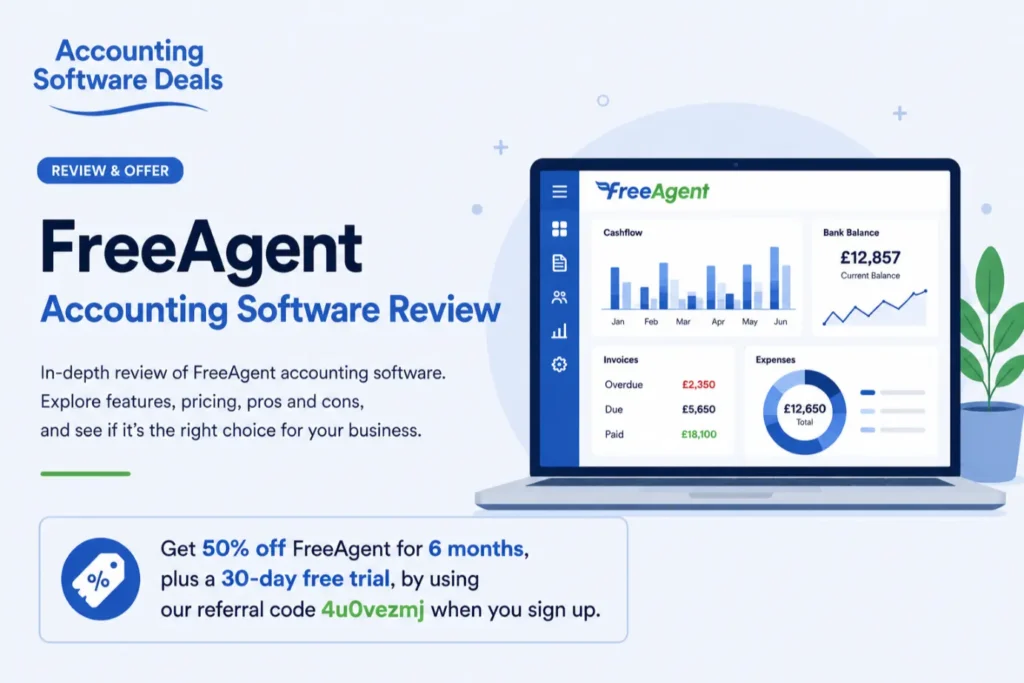 Introduction Choosing the right accounting software can save you hours of administration each month while helping you stay compliant with HMRC requirements. For UK freelancers, sole traders and small businesses, FreeAgent accounting software has become one of the most popular cloud accounting solutions thanks to its simple interface, built-in tax features and time-saving automation. In… Read more: Free Agent Accounting Software Review
 - Zoho Books Accounting Software Review UK (2026)
 Introduction Choosing the right accounting software is one of the most important decisions for any business, and Zoho Books accounting software has become an increasingly popular choice for freelancers, sole traders, startups and small businesses looking for an affordable cloud-based solution. Combining invoicing, bookkeeping, expense tracking, automation and HMRC-compliant tax tools, Zoho Books is designed… Read more: Zoho Books Accounting Software Review UK (2026)
 - Xero vs Zoho Books for Small Businesses (2026)
 Introduction Choosing accounting software is one of the most important decisions a sole trader or small business owner can make. The right platform saves time, reduces stress around tax, and gives you clearer insight into cash flow and profitability. The wrong one can feel restrictive, confusing, or unnecessarily expensive as your business grows. That’s why… Read more: Xero vs Zoho Books for Small Businesses (2026)
 - Zoho Books vs Sage for Small Businesses (2026 Comparison Guide)
 Introduction Choosing the right accounting software is one of the most important decisions for any UK sole trader or small business. The right platform can save hours of administration every month, simplify VAT returns, improve cash flow management and provide better visibility over your finances as your business grows. If you’re comparing Zoho Books vs… Read more: Zoho Books vs Sage for Small Businesses (2026 Comparison Guide)
 - Sage vs QuickBooks Accounting Software Comparison
 Introduction Choosing between Sage and QuickBooks is one of the most important software decisions facing UK sole traders and small businesses. Both platforms are HMRC-recognised, Making Tax Digital (MTD) compliant and trusted by thousands of UK businesses, but they take noticeably different approaches to bookkeeping, automation and financial management. Sage has traditionally been the preferred… Read more: Sage vs QuickBooks Accounting Software Comparison