
Introduction
Choosing the right accounting software for freelancers is one of the most important decisions you will make as a sole trader or small business owner. Whether you are a contractor, consultant, creative professional or digital freelancer, managing your finances accurately and efficiently can save you hours each month and significantly reduce stress around tax deadlines.
In 2026, freelancer accounting software has evolved far beyond simple spreadsheets. Today’s platforms combine invoicing, expense tracking, bank feeds, VAT tools and real-time reporting into one central system. For many self-employed professionals, the right self employed finance software can mean fewer errors, better cash flow visibility and complete confidence when dealing with HMRC.
Freelancers often juggle multiple clients, irregular income and varying expenses. Without the right bookkeeping for freelancers, it’s easy to lose track of what you’ve earned, what you owe, and what tax you need to set aside. This is where modern freelancer accounting tools shine. They automate repetitive tasks, reduce manual data entry and provide instant insights into your business performance.
This guide is designed specifically for UK-based freelancers, sole traders and small SMEs who want a clear, practical breakdown of what makes great accounting software and which platforms lead the market. We’ll cover the core features you should expect, compare the most trusted providers, and explain how to choose the best solution for your working style and budget.
Throughout this guide you’ll find practical comparisons, expert recommendations and links to the latest accounting software deals, helping you choose accounting software that fits your freelance business today and as it grows.
By the end of this guide, you’ll have a confident understanding of what accounting software for freelancers should deliver in 2026 – and how to choose the right platform for your business.
Contents
- What Is Accounting Software for Freelancers?
- Why Freelancers Need Dedicated Accounting Software
- Key Features of the Best Accounting Software for Freelancers
- Bookkeeping for Freelancers: Automating the Basics
- Managing Tax and VAT as a Self-Employed Professional
- Freelancer Accounting Tools: Comparing the Market Leaders
- Xero for Freelancers: Flexible and Scalable
- Sage for Freelancers: Established and Reliable
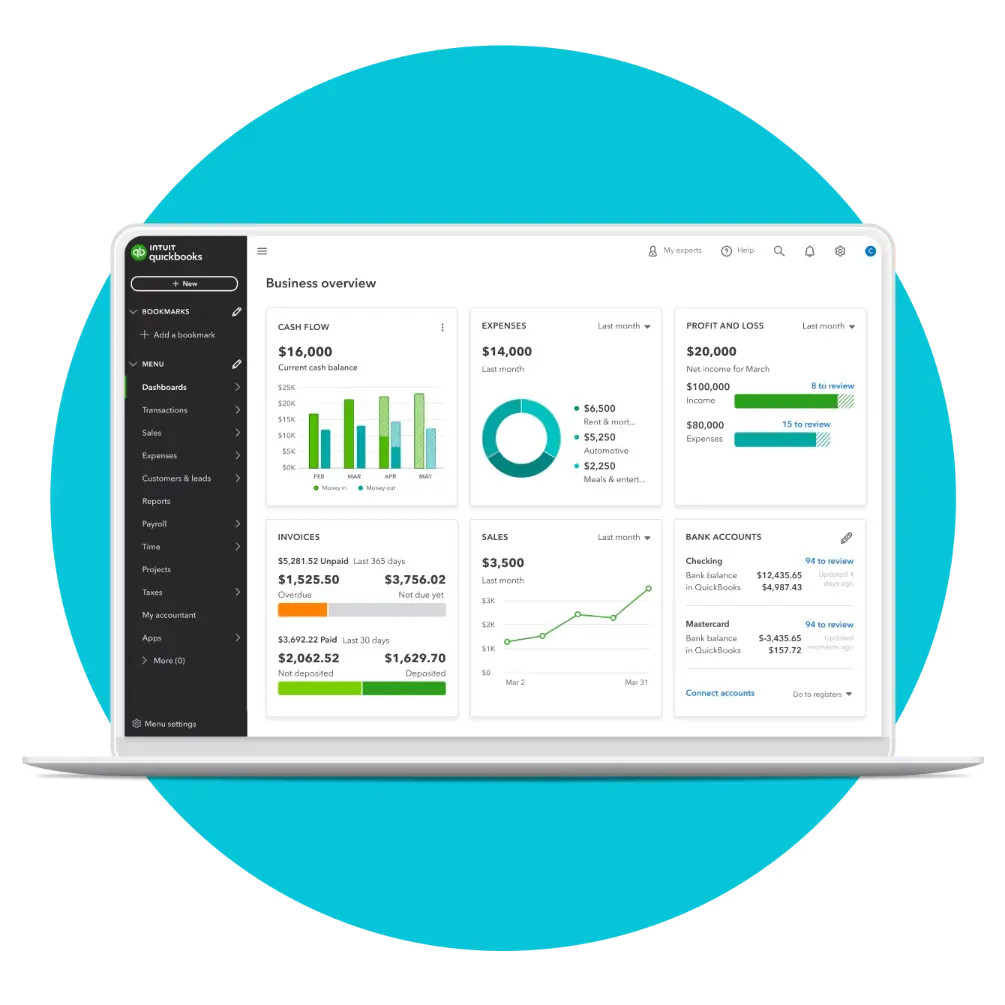
- QuickBooks for Freelancers: Automation-Driven Finance
- How to Choose the Right Accounting Software for Freelancers
- Pricing and Feature Comparison Table
- Promotion Conditions and Offer Disclaimers
- Frequently Asked Questions
- Recap: Best Accounting Software for Freelancers
- Conclusion and Next Steps
What Is Accounting Software for Freelancers?
Accounting software for freelancers is a digital platform designed to help self-employed individuals manage income, expenses, tax obligations and financial reporting in one place. Unlike traditional accounting systems built for large organisations, freelancer-focused solutions prioritise simplicity, automation and flexibility.
At its core, freelancer accounting software replaces manual spreadsheets and paper records. It connects directly to your business bank account, categorises transactions automatically and keeps a real-time record of your financial position. This is particularly valuable for freelancers with fluctuating income, multiple clients or project-based work. Many freelancers also refer to these platforms as bookkeeping software for freelancers or self-employed accounting software. While the terminology varies, the objective is the same: simplifying financial management while maintaining accurate digital records.
Modern self employed finance software typically includes invoicing tools that allow you to create branded invoices, send them directly to clients and track when you’ve been paid. Many platforms also support recurring invoices, which is ideal for retainers or ongoing contracts.
Another defining feature is real-time reporting. With a few clicks, you can see your profit and loss, outstanding invoices and upcoming tax liabilities. This level of visibility helps freelancers make better decisions about pricing, budgeting and growth.
Importantly, UK-focused freelancer accounting tools are designed to align with HMRC requirements. This includes support for Making Tax Digital (MTD), VAT submissions and accurate record keeping for self assessment. As tax regulations evolve, cloud-based software updates automatically, reducing the risk of non-compliance.
In short, accounting software for freelancers acts as your financial control centre. It doesn’t replace an accountant entirely, but it dramatically reduces the admin burden and gives you clearer control over your business finances.
Why Cloud Accounting Is Ideal for Freelancers
Cloud accounting software gives freelancers the flexibility to manage their finances from anywhere. Whether you’re working from home, travelling between clients or operating remotely, cloud accounting platforms provide secure access to invoices, expenses, bank transactions and financial reports on any device.
Automatic bank feeds, receipt capture and real-time reporting reduce manual administration while helping freelancers stay organised throughout the year. Cloud accounting software also makes it easier to collaborate with accountants, ensuring both parties always work from the same up-to-date financial information.
Why Freelancers Need Dedicated Accounting Software
Many freelancers start out using spreadsheets or basic banking apps to manage their finances. While this might work temporarily, it quickly becomes inefficient and risky as your workload grows. Dedicated freelancer accounting software solves problems that manual systems simply cannot handle reliably.
One of the biggest challenges freelancers face is time. Every hour spent on admin is an hour not spent on billable work. By automating bookkeeping for freelancers, accounting software reduces repetitive tasks like data entry, reconciliation and invoice tracking.
Accuracy is another major factor. Manual bookkeeping increases the risk of errors, missed expenses or incorrect tax calculations. Accounting software minimises these risks by automatically importing transactions and applying consistent categorisation rules.
Cash flow management is also critical for freelancers. Irregular income can make it difficult to plan ahead. With real-time dashboards and forecasting tools, freelancer accounting tools help you understand when money is coming in and going out, allowing you to plan more confidently.
Tax compliance is perhaps the most compelling reason to use proper accounting software. UK freelancers must keep accurate records and submit self assessment tax returns on time. If you’re VAT registered, the complexity increases further. Using self employed finance software ensures your records are organised, compliant and ready when deadlines arrive.
Finally, professional credibility matters. Sending clear, branded invoices and maintaining organised financial records helps you present yourself as a serious business, not just a side hustle. This can improve client trust and payment times.
👉 Claim Xero’s 80% discount here: https://accountingsoftwaredeals.co.uk/recommends/xero-offer/
Key Features of the Best Accounting Software for Freelancers
Not all accounting platforms are created equal. The best accounting software for freelancers shares a common set of features designed to simplify financial management without unnecessary complexity.
First, bank feeds are essential. Automatic bank connections allow your transactions to flow directly into the software, saving time and improving accuracy. Look for platforms that support all major UK banks.
Second, invoicing and payments should be seamless. The ability to create invoices quickly, customise branding and accept online payments can significantly improve cash flow. Many freelancer accounting tools integrate with payment providers to allow clients to pay instantly.
Expense tracking is another core feature. By capturing receipts digitally and categorising expenses automatically, you can ensure nothing is missed at tax time. This is a cornerstone of effective bookkeeping for freelancers.
Tax and VAT support is non-negotiable. The best self employed finance software calculates tax liabilities, supports VAT schemes and prepares data for MTD submissions. This reduces reliance on last-minute calculations and external spreadsheets.
Reporting and insights bring everything together. Profit and loss reports, cash flow summaries and tax estimates help freelancers understand their business performance at a glance.
Mobile accounting is another valuable feature for freelancers. The ability to send invoices, capture receipts, review cash flow and monitor outstanding payments from a smartphone allows you to manage your finances wherever your work takes you.
Finally, scalability matters. As your freelance business grows, your software should grow with you. Look for platforms that support additional users, integrations and advanced reporting when you need them.
👉 Get started with Xero and save 80% for 6 months: https://accountingsoftwaredeals.co.uk/recommends/xero-offer/
Bookkeeping for Freelancers: Automating the Basics
Accurate bookkeeping is one of the most important responsibilities for any freelancer. While spreadsheets may work initially, they quickly become difficult to manage as client numbers, invoices and expenses increase. Modern accounting software automates much of this work, helping freelancers maintain accurate financial records while reducing the time spent on administration.
Accounting software automates much of this work. Transactions imported from your bank account are automatically matched to invoices or categorised based on rules you define. Over time, the system learns your patterns, making bookkeeping increasingly efficient.
Digital receipt capture is another major advantage. Instead of storing paper receipts, you can photograph them with your phone and upload them directly to your accounting software. This creates a digital audit trail and simplifies expense claims.
Automation also supports consistency. By applying the same rules every month, freelancer accounting software ensures your records remain accurate and compliant, even as your business grows.
Getting Paid Faster as a Freelancer
One of the biggest cash flow challenges freelancers face isn’t generating work – it’s getting paid on time. Delayed client payments can create unnecessary financial pressure, particularly when projects are completed before invoices are settled.
Modern accounting software helps reduce this problem by allowing freelancers to create professional invoices in minutes, send automated payment reminders and accept online payments through integrated payment providers. Many platforms also show when invoices have been viewed and highlight overdue payments, making it easier to follow up with clients professionally.
By reducing payment delays and improving visibility over outstanding invoices, accounting software helps freelancers maintain healthier cash flow and spend less time chasing payments.
Pricing, Offers and Value for Money
One of the strongest reasons freelancers choose Xero in 2026 is the value offered through its current introductory promotion. For new users, Xero is available with 80% off for the first 6 months, making it one of the most cost-effective ways to access professional-grade accounting software for freelancers.
This promotion is particularly useful for sole traders and freelancers who want to upgrade from spreadsheets or basic tools without committing to full monthly pricing straight away. During the discounted period, you get full access to Xero’s core features, allowing you to properly test how the platform fits into your workflow.
What the Xero 80% Off Offer Includes
With this promotion, freelancers can use Xero to:
- Track income and expenses automatically using live UK bank feeds
- Create and send professional invoices, including recurring invoices for retainer clients
- Manage bookkeeping for freelancers with smart transaction matching
- Monitor real-time cash flow and profit and loss
- Prepare records for self assessment and VAT (if registered)
- Use cloud-based access across desktop and mobile
This makes the offer especially valuable for freelancers who want reliable self employed finance software without a large upfront cost.
Who Is Eligible for the Xero Promotion?
The 80% discount is generally available to new Xero customers only and applies for a limited introductory period of six months. After the promotional period ends, standard pricing applies unless cancelled.
Eligibility and pricing are subject to change, so it’s always recommended to review the latest terms before signing up.
Why This Promotion Matters for Freelancers
For freelancers, cash flow matters just as much as features. This promotion lowers the barrier to entry, allowing you to adopt robust freelancer accounting software while keeping costs predictable during the early months of use.
Compared with other freelancer accounting tools, Xero’s discounted pricing makes it easier to invest in proper bookkeeping systems early – helping you stay organised, compliant and confident as your freelance business grows.
Subject to eligibility. Offers may change – always check current T&Cs before purchasing.
You can view the current Xero offer here: https://accountingsoftwaredeals.co.uk/recommends/xero-offer/
Managing Tax and VAT as a Self-Employed Professional
As Making Tax Digital continues to evolve, using HMRC-compatible accounting software helps freelancers prepare for future reporting requirements while maintaining accurate digital financial records throughout the year.
Tax management is one of the most stressful aspects of freelancing. Without proper tools, it’s easy to underestimate liabilities or miss deadlines.
Self employed finance software simplifies this process by tracking taxable income and allowable expenses in real time. Many platforms provide estimated tax calculations, helping you set money aside throughout the year rather than facing a large bill unexpectedly.
For VAT-registered freelancers, accounting software is essential. It supports different VAT schemes, tracks VAT on transactions and prepares digital submissions in line with Making Tax Digital requirements.
By keeping everything organised in one place, freelancer accounting tools reduce the risk of errors and give you confidence when dealing with HMRC.
Working with Multiple Clients
Unlike many traditional businesses, freelancers often manage several clients simultaneously, each with different payment terms, project values and invoicing schedules. Good accounting software makes this much easier by keeping invoices, payments and expenses organised for every client in one place.
Real-time dashboards also make it easier to identify overdue invoices, monitor monthly income and understand which clients contribute most to your business. This visibility supports better financial planning and allows freelancers to make more informed business decisions.
Xero for Freelancers: Flexible and Scalable
Xero is widely regarded as one of the most user-friendly platforms for freelancers and small businesses. Its clean interface and powerful automation tools make it ideal for those who want professional-grade accounting without complexity.
Xero excels in bookkeeping for freelancers thanks to its robust bank feeds, smart transaction matching and flexible reporting. It also integrates with hundreds of third-party apps, allowing you to tailor the system to your workflow.
Many accountants also recommend Xero because it simplifies collaboration throughout the year. Shared access allows freelancers and accountants to work from the same live financial records, reducing duplicated work and making year-end accounting more efficient.
For 2026, Xero remains a top choice for freelancer accounting software, particularly for those planning to grow. You can currently get 80% off for 6 months on Xero accounting software, subject to eligibility and current terms, via this link: https://accountingsoftwaredeals.co.uk/recommends/xero-offer/
Sage for Freelancers: Established and Reliable
Sage has a long history in the UK accounting market and remains a trusted option for freelancers who value stability and strong compliance features.
Sage’s freelancer accounting tools focus on reliability and clear reporting. While its interface is slightly more traditional than some competitors, it offers excellent VAT and tax support.
For freelancers who prefer an established brand with deep UK expertise, Sage continues to be a solid choice.
QuickBooks for Freelancers: Automation-Driven Finance
QuickBooks is known for its strong automation and intuitive design. Its AI-driven features help categorise transactions and identify anomalies, making bookkeeping for freelancers faster and more accurate.
QuickBooks also offers strong mobile functionality, which is ideal for freelancers who manage their finances on the go. Its reporting tools provide clear insights into cash flow and profitability.
How to Choose the Right Accounting Software for Freelancers
Choosing accounting software isn’t simply about selecting the cheapest option. Consider how you currently work, how many clients you manage and whether your business is likely to grow over the next few years.
If you regularly invoice clients, travel for work or work remotely, features such as mobile apps, receipt capture and automated bank feeds can save considerable time. If you work alongside an accountant, choosing software they already support can also simplify year-end accounting and ongoing tax compliance.
Finally, think beyond today’s requirements. Good accounting software should continue supporting your freelance business as your income grows, helping you avoid the disruption of changing systems later.
- ✓Cash flow management
- ✓Freelance expense tracking
- ✓Automated invoicing
- ✓Bank reconciliation
- ✓Reporting dashboards
- ✓Payroll integration
- ✓Unlimited integrations
- ✓Freelancer-friendly automation
- ✓Multi-user collaboration
- ✓Real-time dashboards
- ✓Bank feeds
- ✓Scalable cloud accounting
- ✓UK compliance
- ✓Payroll
- ✓VAT management
- ✓Financial reporting
- ✓Business insights
- ✓Cloud accounting
- ✓Excellent value
- ✓Workflow automation
- ✓Customer invoicing
- ✓Expense management
- ✓Bank reconciliation
- ✓$100 credits usable across the Zoho ecosystem
Which Accounting Software Is Right for Freelancers?
Every freelancer works differently, so the best accounting software depends on your services, income, clients and future plans.
Choose Xero if:
- You want the best all-round solution.
- You work with an accountant.
- You expect your freelance business to grow.
- Automation is a priority.
Choose Sage if:
- UK compliance is your main concern.
- You prefer an established accounting platform.
- You already use Sage products.
Choose QuickBooks if:
- You want excellent expense tracking.
- Mobile bookkeeping is important.
- You value automated workflows.
Choose Zoho Books if:
- You already use Zoho applications.
- You want excellent value.
- Workflow automation is important.
Expert Tip
Many freelancers initially choose accounting software based purely on introductory pricing. While discounts provide excellent value, it’s often better to choose software that will continue supporting your business as your client base and income grow, reducing the need to migrate platforms later.
Continue Your Research
If you’re still comparing your options, these related guides can help you explore accounting software in more detail. Whether you’re looking for software tailored to different business types, in-depth provider reviews or direct product comparisons, these resources will help you make a more informed decision before choosing the right accounting software for your freelance business.
- Best Accounting Software UK
- Best Accounting Software for Small Businesses
- Best Accounting Software for Sole Traders
- Best Accounting Software for Limited Companies
- Accounting Software for Self-Employed
- Best Accounting Software for Startups
- Xero Review
- Sage Review
- QuickBooks Review
- FreeAgent Review
- Zoho Books Review
- Xero vs Sage
- Xero vs QuickBooks
- Sage vs QuickBooks
- Xero vs Zoho Books
- Zoho Books vs Sage
Exploring multiple guides is one of the best ways to compare features, pricing, automation and tax functionality across the leading accounting software providers. Each article focuses on a different business need, helping you identify the solution that best matches your current requirements and future growth plans.
Exclusive Xero Offer for Freelancers | Save 80% for 6 Months*
Choosing the right accounting software is important, but taking advantage of a genuine introductory offer can also significantly reduce your costs during the early stages of using a new platform. We regularly review the latest accounting software deals to help freelancers access leading cloud accounting software at the best available prices.
The current Xero promotion offers eligible new customers 80% off for the first six months, providing an affordable way to access professional accounting software with features including automated bookkeeping, invoicing, bank feeds and real-time reporting.
As promotions can change, we recommend reviewing the latest offer details before subscribing.

How We Compare Accounting Software for Freelancers
Our recommendations are based on the factors that matter most to UK freelancers, including ease of use, automation, invoicing capabilities, bookkeeping features, HMRC compatibility, scalability, pricing and overall value for money. We also consider how well each platform supports freelancers working independently as well as those collaborating with an accountant.
Frequently Asked Questions: Accounting Software for Freelancers
What is the best accounting software for freelancers in the UK?
The best accounting software for freelancers depends on your needs, but platforms like Xero, Sage and QuickBooks are widely used in the UK. They offer reliable bookkeeping for freelancers, tax compliance features and automation that suits self-employed professionals.
Do freelancers legally need accounting software?
Freelancers are not legally required to use accounting software, but using freelancer accounting software makes it significantly easier to comply with HMRC rules, especially for record keeping, self assessment and VAT submissions.
How does accounting software help with bookkeeping for freelancers?
Bookkeeping for freelancers is automated through bank feeds, transaction categorisation and receipt capture. Accounting software reduces manual data entry and helps ensure accurate financial records throughout the year.
Is accounting software suitable for newly self-employed freelancers?
Yes. Accounting software for freelancers is especially useful when starting out, as it helps build good financial habits early and avoids errors that can occur with spreadsheets or manual tracking.
Can freelancer accounting software calculate tax automatically?
Most freelancer accounting tools estimate income tax and National Insurance based on your recorded income and expenses. While final calculations should always be checked, this feature helps freelancers plan ahead.
What is the difference between freelancer accounting software and business accounting software?
Freelancer accounting software is designed for simplicity and flexibility, focusing on sole traders and small-scale operations. Larger business software may include features unnecessary for freelancers, such as complex payroll or inventory management.
Is self employed finance software compatible with HMRC Making Tax Digital?
Yes. Leading self employed finance software supports Making Tax Digital requirements, particularly for VAT-registered freelancers, ensuring digital record keeping and compliant submissions.
Can accounting software replace an accountant for freelancers?
Accounting software supports bookkeeping for freelancers but does not fully replace professional advice. Many freelancers use accounting software alongside an accountant for year-end reviews or complex tax situations.
How secure is freelancer accounting software?
Reputable freelancer accounting tools use bank-level encryption and secure cloud infrastructure. This makes digital accounting software safer than storing financial data locally or in spreadsheets.
Can I use freelancer accounting software on my phone?
Yes. Most modern accounting software for freelancers includes mobile apps, allowing you to track expenses, send invoices and review finances on the go.
Does accounting software support multiple income streams for freelancers?
Yes. Freelancer accounting software is designed to handle multiple clients, projects and income sources, making it ideal for portfolio-style freelance work.
How much does accounting software for freelancers typically cost?
Pricing varies, but most freelancer accounting tools start from around £10–£20 per month. Introductory offers, such as discounted periods, can significantly reduce initial costs.
Is Xero suitable accounting software for freelancers?
Xero is widely regarded as strong accounting software for freelancers due to its automation, scalability and clear reporting. It supports bookkeeping for freelancers and integrates well with UK tax requirements.
What happens after an accounting software promotion ends?
After a promotional period, freelancer accounting software typically reverts to standard pricing. You can usually cancel or change plans if the software no longer meets your needs.
How do I choose the right freelancer accounting tools?
Choosing the right freelancer accounting tools depends on ease of use, automation features, tax support and budget. Testing platforms during free trials or discounted periods is often the best approach.
Which accounting software is easiest for freelancers?
Xero, QuickBooks and FreeAgent are all popular with freelancers because they automate invoicing, expense tracking and bookkeeping. The best option depends on your budget, working style and future plans.
Can freelancers switch accounting software later?
Yes. Most accounting software providers support data migration, although switching platforms takes time. Choosing scalable accounting software from the outset often avoids unnecessary disruption as your freelance business grows.
Recap: Choosing the Best Accounting Software for Freelancers in 2026
Selecting the right accounting software for freelancers is no longer just about recording income and expenses – it’s about running a sustainable, compliant and scalable business. In 2026. freelancers face increasing administrative demands, from Making Tax Digital compliance to accurate self assessment reporting, making reliable freelancer accounting software essential rather than optional.
The best solutions combine automation, clarity and flexibility. Strong bookkeeping for freelancers means bank feeds that sync automatically, intelligent expense categorisation, and invoicing tools that support irregular or recurring income. These features reduce manual work and free up valuable time for client-facing tasks.
Equally important is tax readiness. Effective self employed finance software should help freelancers understand their tax position in real time, rather than scrambling at year-end. Platforms like Xero, Sage and QuickBooks all provide tools that support tax tracking, VAT (where applicable), and financial reporting aligned with UK regulations.
When comparing freelancer accounting tools, usability and scalability matter just as much as price. A platform should work for you now, but also support growth if your freelance business expands into a limited company or hires additional support.
For most freelancers, Xero remains our overall recommendation because it combines excellent automation, accountant collaboration, mobile accessibility and the flexibility to grow alongside your business.
Conclusion: Take Control with the Right Accounting Software for Freelancers
Managing finances as a freelancer doesn’t have to be complicated or stressful. With the right accounting software for freelancers, you can replace spreadsheets and guesswork with clarity, automation and confidence. In 2026, freelancer accounting software is designed to support the realities of self-employment – irregular income, multiple clients, changing expenses and evolving tax obligations.
The most effective freelancer accounting tools help you stay organised throughout the year, not just at tax time. By automating bookkeeping for freelancers, tracking expenses accurately and providing real-time financial insights, these platforms allow you to make better business decisions and protect your cash flow.
Among the leading options, Xero stands out for its balance of ease of use, powerful automation and scalability. Its tools are particularly well suited to freelancers who want professional self employed finance software without unnecessary complexity. With the current introductory offer, you can get 80% off Xero for six months, making it a practical and affordable way to upgrade your financial systems.
Ready to simplify your freelance finances? Compare today’s pricing, review the latest Xero offer and choose the accounting software that best supports your freelance business now and as it grows. view the latest Xero offer here: https://accountingsoftwaredeals.co.uk/recommends/xero-offer/
Subject to eligibility and current terms, this promotion allows freelancers to test a premium accounting platform while keeping costs low. If you’re serious about improving financial control, compliance and long-term sustainability, choosing the right accounting software for freelancers is one of the smartest business moves you can make.
If you’re still deciding, reviewing our software comparisons and individual provider reviews can help you understand the strengths of each platform before choosing the solution that’s right for your freelance business.
Subject to eligibility; offers may change. Always review current terms and conditions before subscribing.
Disclaimer: The content on this website is intended for informational purposes only and should not be construed as legal, financial, or professional advice. While we strive to ensure that the information is accurate and up-to-date at the time of publication, please be aware that regulations and circumstances may change. We recommend consulting with a qualified professional for personalised guidance specific to your situation. Additionally, some links on this website may be affiliate links, meaning we may earn a commission if you make a purchase through those links. Please ensure you read and understand all terms and conditions before making any decisions.
Xero Relationship Disclosure: This website is independent and not affiliated with or endorsed by Xero. We may earn a commission if you sign up to Xero via our referral links.
- Xero vs Sage: Which Accounting Software Is Best for Small Businesses?
 Introduction Choosing between Xero vs Sage is one of the biggest decisions UK business owners make when selecting accounting software. Whether you’re comparing Xero or Sage, looking at Xero vs Sage features, or wondering is Xero better than Sage or is Sage better than Xero, this guide compares pricing, ease of use, HMRC compliance, integrations… Read more: Xero vs Sage: Which Accounting Software Is Best for Small Businesses?
 - Free Agent Accounting Software Review
 Introduction Choosing the right accounting software can save you hours of administration each month while helping you stay compliant with HMRC requirements. For UK freelancers, sole traders and small businesses, FreeAgent accounting software has become one of the most popular cloud accounting solutions thanks to its simple interface, built-in tax features and time-saving automation. In… Read more: Free Agent Accounting Software Review
 - Zoho Books Accounting Software Review UK (2026)
 Introduction Choosing the right accounting software is one of the most important decisions for any business, and Zoho Books accounting software has become an increasingly popular choice for freelancers, sole traders, startups and small businesses looking for an affordable cloud-based solution. Combining invoicing, bookkeeping, expense tracking, automation and HMRC-compliant tax tools, Zoho Books is designed… Read more: Zoho Books Accounting Software Review UK (2026)
 - Xero vs Zoho Books for Small Businesses (2026)
 Introduction Choosing accounting software is one of the most important decisions a sole trader or small business owner can make. The right platform saves time, reduces stress around tax, and gives you clearer insight into cash flow and profitability. The wrong one can feel restrictive, confusing, or unnecessarily expensive as your business grows. That’s why… Read more: Xero vs Zoho Books for Small Businesses (2026)
 - Zoho Books vs Sage for Small Businesses (2026 Comparison Guide)
 Introduction Choosing the right accounting software is one of the most important decisions for any UK sole trader or small business. The right platform can save hours of administration every month, simplify VAT returns, improve cash flow management and provide better visibility over your finances as your business grows. If you’re comparing Zoho Books vs… Read more: Zoho Books vs Sage for Small Businesses (2026 Comparison Guide)
 - Sage vs QuickBooks Accounting Software Comparison
 Introduction Choosing between Sage and QuickBooks is one of the most important software decisions facing UK sole traders and small businesses. Both platforms are HMRC-recognised, Making Tax Digital (MTD) compliant and trusted by thousands of UK businesses, but they take noticeably different approaches to bookkeeping, automation and financial management. Sage has traditionally been the preferred… Read more: Sage vs QuickBooks Accounting Software Comparison