
Introduction
Choosing the best accounting software for limited companies is about far more than keeping accurate financial records. Directors need software that supports corporation tax, VAT, payroll, Companies House reporting and Making Tax Digital while providing a clear picture of business performance. Having reviewed the UK’s leading accounting platforms, we’ve found that the best limited company accounting software combines automation, compliance and scalability to help directors spend less time on administration and more time growing their business.
Limited companies have different needs from sole traders. You’re dealing with corporation tax, dividends, director payroll, confirmation statements, year-end accounts, and often VAT or CIS. That’s why generic bookkeeping tools often fall short. Purpose-built limited company accounting software is designed to support directors, accountants, and finance teams with automation, reporting, and compliance baked in.
This guide is written for UK SME directors, founders, and growing businesses who want a clear, practical comparison of the best company accounts software available today. We’ll look at what actually makes software “best” for a limited company, how to evaluate features beyond marketing claims, and where the leading providers – including Xero, Sage, and QuickBooks – truly excel.
Throughout the article, you’ll see opportunities to compare platforms side by side and explore current offers. One standout promotion worth noting early is Xero accounting software – get 80% off for 6 months* (subject to eligibility; offers may change). For many limited companies, this makes a premium, accountant-approved platform far more accessible in the first year.
Whether you’re forming a new Ltd, switching from spreadsheets, or replacing outdated tools, this long-form guide will help you confidently choose the UK Ltd accounting software that fits your structure, scale, and ambitions.
Contents
- What Limited Companies Need from Accounting Software
- How to Choose the Best Accounting Software for Limited Companies
- UK Compliance Requirements for Limited Company Accounting Software
- Core Features That Define the Best Company Accounts Software
- Xero: Cloud Accounting Built for Modern Limited Companies
- Sage: Established UK Accounting Software for Growing Businesses
- QuickBooks: Flexible Business Accounting Tools for SMEs
- Pricing & Feature Comparison: Xero vs Sage vs QuickBooks
- Working with Accountants Using Cloud Accounting Software
- Scaling Your Accounting Software as Your Limited Company Grows
- Promotion Conditions & Offer Disclaimers
- Frequently Asked Questions
- Recap: Choosing the Right Accounting Software
- Conclusion & Next Steps
What Limited Companies Need from Accounting Software
Limited companies operate under a more complex legal and tax framework than sole traders, making specialist accounting software essential. The best accounting software for limited companies should simplify compliance, automate bookkeeping and provide directors with accurate financial information throughout the year. Choosing the right limited company accounting software can reduce administrative workload, improve decision making and support long term business growth.
At a minimum, UK Ltd accounting software should handle double-entry bookkeeping, accurate profit and loss reporting, and balance sheets that align with Companies House formats. Directors are legally responsible for maintaining proper accounting records, even if an accountant prepares year-end accounts. Software that provides real-time visibility into financial health is therefore essential.
Corporation tax is another defining requirement. Unlike sole traders, limited companies pay corporation tax on profits, typically due nine months after the accounting period ends. Quality limited company accounting software helps track taxable profits throughout the year, reducing the risk of nasty surprises at year-end.
VAT is also a major consideration. Many limited companies exceed the VAT registration threshold, and since Making Tax Digital (MTD), VAT returns must be submitted digitally using compatible software. The best business accounting tools integrate VAT calculations, digital submissions, and audit trails to meet HMRC requirements.
Director payroll and dividends further complicate matters. Even small limited companies often pay directors via PAYE while distributing profits as dividends. Software that integrates payroll or exports clean data to payroll systems simplifies compliance and reduces errors.
Finally, collaboration matters. Most limited companies work with accountants or bookkeepers. Cloud-based platforms allow shared access, real-time data, and smoother communication – a key reason why desktop software has fallen out of favour.
How to Choose the Best Accounting Software for Limited Companies
Choosing the best accounting software for limited companies is not simply about selecting the platform with the longest feature list. The right solution should match your company’s size, reporting requirements, growth plans and the way you work with your accountant. In our experience, the best company accounts software balances ease of use, compliance, automation and scalability rather than focusing on one area alone.
Start with ease of use. Directors are rarely trained accountants, so intuitive dashboards, clear reporting, and guided workflows matter. Software that requires constant accountant intervention can become frustrating and expensive over time.
Next, assess compliance coverage. Does the platform support MTD for VAT? Can it generate reports suitable for Companies House and HMRC? Is it updated regularly as regulations change? UK-focused uk ltd accounting software typically performs better here than generic international tools.
Integration capability is another deciding factor. Modern businesses rely on multiple systems – banking, invoicing, payroll, ecommerce, and expense management. The best business accounting tools connect seamlessly with your existing stack, reducing manual data entry and errors.
Pricing transparency also matters. Monthly subscription costs can rise quickly as you add users, payroll, or advanced reporting. Look beyond entry-level pricing and understand what you’ll pay as your company grows.
Finally, consider accountant preference. Many accountants specialise in specific platforms, and using their preferred system can save time and fees. Xero, Sage, and QuickBooks are all widely supported in the UK, which is why they dominate recommendations for limited companies.
👉 Compare leading platforms and current offers: https://accountingsoftwaredeals.co.uk/recommends/xero-offer/
UK Compliance Requirements for Limited Company Accounting Software
Compliance is non-negotiable for limited companies. The best accounting software for limited companies must actively support directors in meeting statutory obligations, not merely record transactions.
HMRC’s Making Tax Digital initiative requires VAT-registered businesses to keep digital records and submit VAT returns through compatible software. Non-compliance can result in penalties, making MTD compatibility a baseline requirement for any serious limited company accounting software.
Companies House requirements are equally important. Limited companies must file annual accounts, confirmation statements, and maintain accurate records of directors, shareholders, and share capital. While most software won’t file full statutory accounts directly, it should produce accountant-ready reports that streamline year-end processes.
Audit trails are another key compliance feature. HMRC expects clear records showing how figures were calculated. Cloud platforms with automatic transaction histories, document attachments, and change logs help protect directors during inspections or enquiries.
Data security and GDPR compliance also matter. Financial data is highly sensitive, and UK businesses must ensure software providers use secure servers, encryption, and clear data protection policies.
Finally, compliance isn’t static. Tax rules change regularly, and the best business accounting tools are updated frequently to reflect new thresholds, rates, and reporting standards. Cloud-based platforms outperform desktop software here, as updates are automatic and continuous.
Choosing HMRC compatible limited company accounting software from the beginning makes it much easier to remain compliant as tax rules continue to evolve.
Core Features That Define the Best Company Accounts Software
Across providers, certain features consistently separate average tools from the best accounting software for limited companies.
Automated bank feeds are essential. Direct connections to UK banks reduce manual data entry, improve accuracy, and provide near real-time cash flow insights.
VAT management is another cornerstone. Good software automatically calculates VAT, flags anomalies, and submits returns digitally under MTD rules.
Reporting and forecasting tools help directors understand performance beyond basic profit figures. Cash flow forecasts, aged debtors, and management reports enable proactive decision-making.
Multi-user access supports collaboration between directors, finance staff, and external accountants. Permission controls ensure sensitive data is protected while enabling transparency.
Integration ecosystems also matter. Leading platforms offer app marketplaces connecting payroll, expenses, inventory, and ecommerce tools – extending functionality without complexity.
Finally, support and education shouldn’t be overlooked. UK-based support, clear documentation, and active communities help directors resolve issues quickly and build confidence using their software.
Mobile apps have also become an essential feature of the best accounting software for limited companies. Directors increasingly expect to approve expenses, create invoices, monitor cash flow and review financial performance from their phone or tablet without needing to return to the office.
Artificial intelligence is becoming another key differentiator. Many leading accounting software providers now automate transaction categorisation, identify unusual activity and generate financial insights that help directors make faster, better informed decisions.
As companies grow, integration becomes increasingly important. The best business accounting tools connect seamlessly with payroll software, CRM systems, payment providers, inventory platforms and ecommerce solutions, reducing manual administration across the business.
Xero: Cloud Accounting Built for Modern Limited Companies
Xero is widely regarded as one of the best accounting software platforms for limited companies because it combines ease of use with powerful financial management tools. It is particularly well suited to growing businesses that want scalable cloud accounting software, extensive integrations and close collaboration with their accountant. For many UK directors, Xero provides the strongest balance between automation, compliance and long term value.
Xero’s cloud-first design prioritises usability without sacrificing depth. The dashboard provides a clear overview of cash flow, invoices, and bills, making it accessible for directors while remaining powerful enough for accountants.
For compliance, Xero supports MTD for VAT, produces detailed financial reports, and integrates seamlessly with UK payroll providers. Corporation tax calculations aren’t submitted directly, but the software generates accurate data for accountants to complete CT600 filings efficiently.
One of Xero’s standout strengths is its integration ecosystem. With hundreds of UK-focused apps covering expenses, payroll, inventory, and ecommerce, Xero adapts easily as your limited company grows.
Accountant collaboration is another strong point. Many UK practices specialise in Xero, and shared access reduces friction at year-end. This often translates into lower accounting fees over time.
In our experience, this is one of the biggest reasons Xero is consistently recommended by accountants to growing limited companies. Shared access reduces duplicated work, helps identify issues earlier and often makes year end accounting more efficient.
From a pricing perspective, Xero sits in the mid-to-premium range – but current promotions significantly improve value. Get 80% off for 6 months* through this exclusive offer (subject to eligibility; offers may change): https://accountingsoftwaredeals.co.uk/recommends/xero-offer/
Sage: Established UK Accounting Software for Growing Businesses
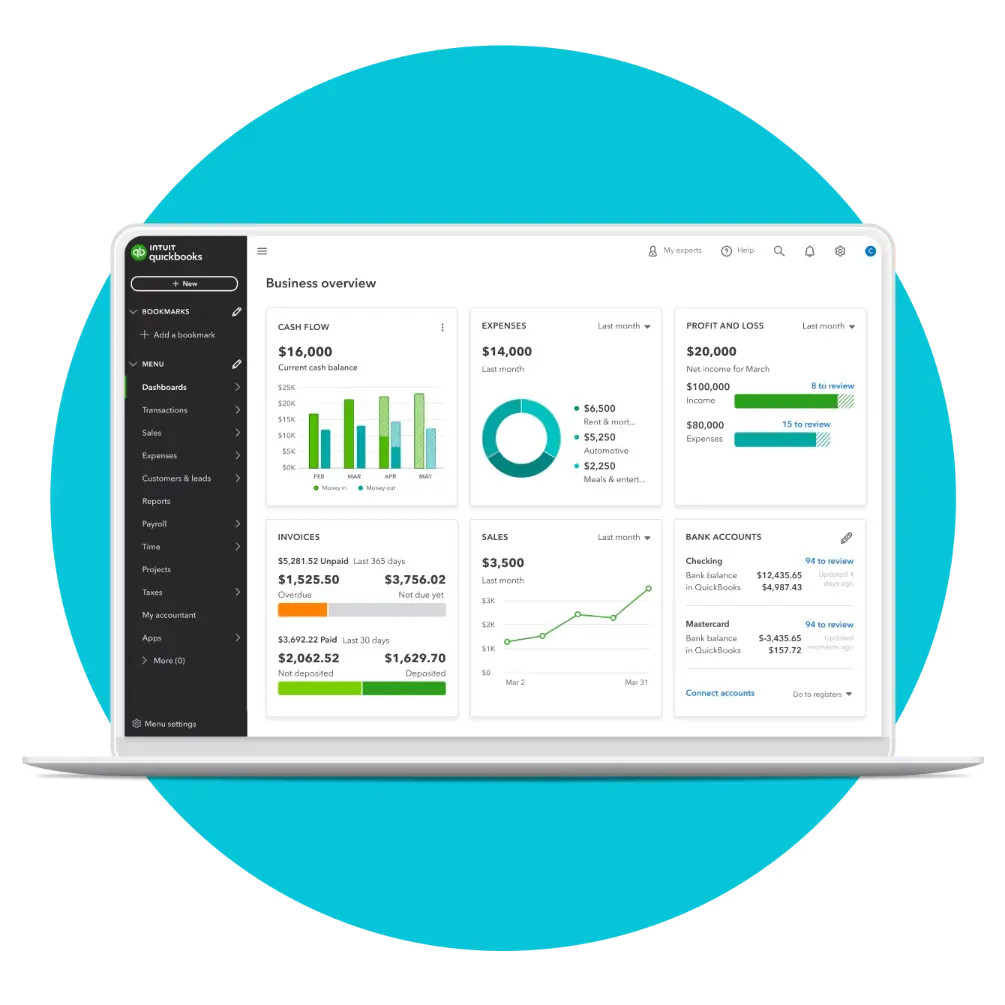
Sage has a long-standing reputation in the UK market and remains a trusted option for many limited companies, particularly those transitioning from traditional accounting systems.
Sage’s strength lies in its UK-specific focus. Compliance with HMRC and Companies House requirements is deeply embedded, making it a reassuring choice for directors prioritising regulatory confidence.
Sage offers multiple tiers, from basic cloud accounting to more advanced solutions with payroll and HR integration. This flexibility suits established SMEs with in-house finance teams.
However, usability can feel less intuitive compared to newer platforms. Directors without accounting backgrounds may find the interface more complex, and onboarding often requires accountant support.
Pricing is also less transparent, with add-ons increasing total costs. While Sage remains a solid uk ltd accounting software option, it tends to suit businesses with more complex needs or existing Sage experience.
QuickBooks: Flexible Business Accounting Tools for SMEs
QuickBooks is known for flexibility and competitive pricing, making it popular among small and mid-sized limited companies.
QuickBooks offers strong invoicing, expense tracking, and VAT functionality, with MTD compatibility for UK businesses. Its interface is generally user-friendly, though reporting depth can vary by plan.
Integration options are broad, and the platform supports multi-currency transactions – useful for limited companies trading internationally.
QuickBooks often appeals to cost-conscious directors, but some accountants prefer Xero or Sage for complex reporting. As with all best business accounting tools, accountant compatibility should factor into your decision.
Which Accounting Software Is Right for Your Limited Company?
Every limited company has different priorities, so there isn’t a single platform that’s right for everyone. The best accounting software for limited companies depends on your industry, reporting requirements, budget and future growth plans. These recommendations provide a practical starting point based on the strengths of each platform.
Choose Xero if:
- You expect your business to grow.
- You work closely with an accountant.
- You want extensive automation and integrations.
- You value real time financial reporting.
Choose Sage if:
- Compliance is your highest priority.
- Your business already uses Sage products.
- You prefer traditional accounting workflows.
Choose QuickBooks if:
- You want straightforward bookkeeping.
- Cost is an important consideration.
- You need simple invoicing and expense management.
Choose Zoho Books if:
- You already use Zoho applications.
- Automation is important.
- You want excellent value for money.
Choose FreeAgent if:
- You run a small director managed company.
- Simplicity is your priority.
- You mainly need bookkeeping, invoicing and tax management.
Product Comparison: Xero vs Sage vs QuickBooks
Before comparing individual providers, it’s useful to understand how the leading accounting software platforms differ. While Xero, Sage and QuickBooks all support HMRC compliance and Making Tax Digital, they each have different strengths depending on your business size, reporting requirements and long term growth plans.
- ✓Automated transaction categorisation for MTD-ready bookkeeping
- ✓VAT tracking and making tax digital submissions to HMRC
- ✓MTD-aligned reporting to support quarterly updates
- ✓Custom invoicing with payment tracking
- ✓Receipt capture and expense tracking
- ✓Secure bank feeds for real-time records
- ✓MTD-ready bookkeeping with automated bank reconciliation
- ✓VAT tracking and digital submissions built for UK businesses
- ✓Real-time dashboards for quarterly performance visibility
- ✓Multi-user access for accountants and teams
- ✓Receipt capture to strengthen digital audit trails
- ✓Integrations designed to keep MTD compliance simple
- ✓HMRC-compliant VAT and MTD reporting tools
- ✓Structured bookkeeping aligned to UK standards
- ✓Clear reporting for MTD-style quarterly updates
- ✓Invoice and credit control for cash flow
- ✓Director-friendly monthly reporting
- ✓Cloud and desktop access options
- ✓MTD-ready VAT workflows for compliant submissions
- ✓Digital record keeping for making tax digital
- ✓Automated invoicing and payment tracking
- ✓Bank feeds and reconciliation to reduce admin
- ✓Works well with other Zoho business apps
- ✓$100 credits usable across the Zoho ecosystem
Expert Tip:
Many directors choose accounting software based on today’s promotional pricing, but the long term value of the platform is usually far more important. Switching accounting software after several years can be time consuming, particularly if your business has built up extensive financial records. We generally recommend choosing software that will still meet your requirements as your company grows rather than selecting the cheapest option available today.
Continue Your Research
Compare our detailed buying guides before making your decision.
You can also read our detailed software reviews.
- Xero Accounting Software Review
- Sage Accounting Software Review
- QuickBooks Accounting Software Review
- FreeAgent Accounting Software Review
- Zoho Books Accounting Software Review
Related buying guides:
- Best Accounting Software for Small Businesses
- Best Accounting Software for Sole Traders
- Accounting Software for Self Employed
Working with Accountants Using Cloud Accounting Software
Accountant collaboration is one of the biggest advantages of modern limited company accounting software. Shared access reduces data silos, speeds up year-end processes, and improves accuracy.
Cloud platforms allow accountants to review transactions in real time, flag issues early, and advise proactively. This often leads to better tax planning and fewer surprises.
Xero is particularly popular among UK accountants, which is why it’s frequently recommended as the best accounting software for limited companies. If you’re comparing the leading platforms, our detailed Xero vs Sage and Xero vs QuickBooks guides explain the differences in more detail.
Scaling Your Accounting Software as Your Limited Company Grows
As your limited company grows, accounting needs evolve. The best company accounts software should scale without requiring disruptive migrations.
Look for platforms that support additional users, advanced reporting, multi-currency transactions, and integrations with CRM, inventory, or ecommerce tools.
Cloud-based systems like Xero, Sage, and QuickBooks are designed to scale, making them suitable long-term choices rather than short-term fixes.
As your business expands, your accounting software should continue to support increasing transaction volumes, additional users and more advanced reporting without requiring a complete migration. Choosing scalable limited company accounting software from the outset can save significant time and disruption in the future.
Exclusive Xero Offer for Limited Companies | Save 80% for 6 Months*
For limited companies looking to adopt premium accounting tools without the usual upfront cost, the current Xero promotion is one of the strongest offers available in the UK market. New customers can access Xero accounting software with 80% off for the first 6 months, making it significantly more affordable to implement professional-grade limited company accounting software from day one.
This offer allows directors to access one of the UK’s leading cloud accounting platforms at a significantly reduced cost. During the promotional period you can automate bookkeeping, reconcile bank transactions, manage VAT, create invoices, monitor cash flow and collaborate with your accountant using the same software trusted by thousands of UK limited companies.
For growing SMEs, this discount removes one of the biggest barriers to switching accounting platforms. Rather than compromising with entry-level tools, companies can start with one of the best accounting software options for limited companies and scale confidently as reporting, compliance, and financial management needs increase.
The Xero offer is particularly valuable for newly formed limited companies, businesses moving away from spreadsheets, or directors switching from outdated systems. After the discounted period, standard pricing applies, so it’s important to review plan options and ongoing costs in advance.

FAQs: Best Accounting Software for Limited Companies
What is the best accounting software for limited companies in the UK?
The best accounting software for limited companies depends on your size, complexity, and growth plans, but platforms like Xero, Sage, and QuickBooks consistently lead the UK market. These tools are designed specifically for limited company accounting software requirements, including corporation tax reporting, VAT under Making Tax Digital, and accountant collaboration. For most SMEs, Xero is often considered the best company accounts software due to its usability, automation, and strong accountant adoption across the UK.
Is accounting software mandatory for limited companies?
While there is no law stating that limited companies must use specific software, HMRC requires digital record-keeping for VAT-registered businesses under Making Tax Digital. In practice, this makes modern uk ltd accounting software essential. Using spreadsheets alone increases the risk of errors, penalties, and non-compliance. The best business accounting tools help directors meet legal obligations while saving time and reducing stress.
How is limited company accounting software different from sole trader software?
Limited companies have more complex obligations than sole traders, including corporation tax, dividend tracking, statutory accounts, and Companies House reporting. Limited company accounting software supports double-entry bookkeeping, director loans, balance sheets, and accountant-ready reporting, whereas sole trader tools are often simpler and less robust. Choosing the best accounting software for limited companies ensures your business structure is properly supported.
Can accounting software handle corporation tax?
Most accounting platforms do not submit corporation tax returns directly to HMRC. However, the best company accounts software generates accurate profit figures, balance sheets, and journals that accountants use to prepare CT600 submissions. This integration between software and accountant workflows is why cloud-based uk ltd accounting software is now standard practice.
Is Xero suitable for small limited companies?
Yes. Xero is widely regarded as one of the best accounting software platforms for limited companies of all sizes. Small director-only businesses benefit from automation, bank feeds, and VAT tools, while growing SMEs can scale with integrations and advanced reporting. Combined with the current 80% off for 6 months offer (subject to eligibility), Xero represents strong value for new and established limited companies.
Which accounting software do UK accountants prefer?
In the UK, most accountants prefer cloud-based platforms that allow real-time collaboration. Xero is often the top choice, followed by Sage and QuickBooks. Using accountant-approved limited company accounting software can reduce fees, speed up year-end accounts, and improve tax planning outcomes. This is a major reason Xero is frequently recommended as the best accounting software for limited companies.
Does accounting software support VAT and Making Tax Digital?
Yes, reputable uk ltd accounting software fully supports VAT calculations and digital submissions under Making Tax Digital. The best business accounting tools automatically apply VAT rules, flag errors, and submit returns directly to HMRC. This significantly reduces compliance risk for VAT-registered limited companies.
Can I run payroll through accounting software?
Some platforms include payroll functionality, while others integrate with payroll providers. Sage and QuickBooks offer built-in payroll options, while Xero integrates with UK payroll software. For directors, this is particularly useful when managing PAYE salaries alongside dividends within limited company accounting software.
Is cloud accounting software secure?
Yes, leading providers use encrypted data, secure UK or EU servers, and comply with GDPR. In many cases, cloud-based best company accounts software is more secure than desktop systems or spreadsheets. Automatic backups and access controls also protect directors against data loss and unauthorised access.
Can accounting software replace my accountant?
No. Accounting software does not replace professional advice. Instead, it complements accountants by automating bookkeeping and providing accurate, real-time data. The best accounting software for limited companies enables accountants to focus on tax efficiency, compliance, and strategy rather than manual data entry.
What happens if I want to switch accounting software later?
You can migrate between platforms, but it can be time-consuming and costly if done incorrectly. Choosing scalable limited company accounting software early helps avoid disruption later. Xero, Sage, and QuickBooks all offer migration tools and accountant support to assist with transitions.
Which accounting software is best for growing SMEs?
For growing SMEs, the best business accounting tools are those that scale easily. Xero is particularly strong due to its app ecosystem, reporting tools, and multi-user access. Sage suits businesses with more complex payroll or compliance needs, while QuickBooks is often favoured by cost-conscious SMEs.
Are accounting software offers worth using?
Yes. Promotional offers significantly reduce costs, especially in the first year. For example, the Xero promotion offering 80% off for 6 months allows limited companies to access premium uk ltd accounting software at a fraction of the usual price. Always check current terms, as offers are subject to change.
What should I prioritise when choosing accounting software?
Prioritise compliance, ease of use, accountant compatibility, scalability, and total cost. The best accounting software for limited companies balances automation with control, allowing directors to stay compliant while making informed business decisions.
Which accounting software is easiest for limited company directors to use?
Xero, QuickBooks and FreeAgent are all recognised for their user friendly interfaces and straightforward setup. They automate many routine accounting tasks, making them excellent choices for directors without a finance background while still providing the reporting and compliance features required by limited companies.
Is cloud accounting software better for limited companies?
For most UK businesses, cloud accounting software is now the preferred option because it provides automatic updates, secure online access, real time collaboration with accountants and full support for Making Tax Digital. Desktop software can still suit some organisations, but cloud platforms generally offer greater flexibility and scalability for growing limited companies.
Recap
Choosing the best accounting software for limited companies is a strategic decision that affects compliance, cash flow visibility, and long-term growth. Limited companies face stricter legal and tax obligations than sole traders, making generic bookkeeping tools inadequate.
The strongest limited company accounting software solutions combine HMRC compliance, VAT automation, accurate reporting, and seamless accountant collaboration. Platforms like Xero, Sage, and QuickBooks dominate the UK market because they are designed specifically for these needs.
Among them, Xero stands out for usability, scalability, and accountant adoption, while Sage appeals to businesses with more traditional finance structures. QuickBooks offers flexibility and competitive pricing for smaller SMEs. Ultimately, the best company accounts software is the one that fits your company’s complexity today while supporting future growth.
While every business has different priorities, Xero remains our overall recommendation for most UK limited companies because it combines excellent usability, strong accountant adoption, powerful automation and long term scalability. Sage, QuickBooks, Zoho Books and FreeAgent are all strong alternatives depending on your company’s size, complexity and preferred way of working.
Conclusion
Choosing the best accounting software for limited companies is about selecting a platform that supports your business today while preparing it for future growth. The right software should simplify bookkeeping, improve financial visibility, support HMRC compliance and reduce the amount of time spent on administration.
While every limited company has different requirements, Xero remains our overall recommendation for many UK businesses thanks to its combination of usability, automation, accountant collaboration and scalability. Sage, QuickBooks, Zoho Books and FreeAgent all provide excellent alternatives depending on your business model and reporting requirements.
Before making your final decision, compare features, pricing, integrations and the latest introductory offers to ensure you choose the accounting software that best supports your business over the long term.
👉 Get 80% off Xero for 6 months: https://accountingsoftwaredeals.co.uk/recommends/xero-offer/
Subject to eligibility; offers may change. Always review current terms and conditions before subscribing.
Disclaimer: The content on this website is intended for informational purposes only and should not be construed as legal, financial, or professional advice. While we strive to ensure that the information is accurate and up-to-date at the time of publication, please be aware that regulations and circumstances may change. We recommend consulting with a qualified professional for personalised guidance specific to your situation. Additionally, some links on this website may be affiliate links, meaning we may earn a commission if you make a purchase through those links. Please ensure you read and understand all terms and conditions before making any decisions.
Xero Relationship Disclosure: This website is independent and not affiliated with or endorsed by Xero. We may earn a commission if you sign up to Xero via our referral links.
- Xero vs Sage: Which Accounting Software Is Best for Small Businesses?
 Introduction Choosing between Xero vs Sage is one of the biggest decisions UK business owners make when selecting accounting software. Whether you’re comparing Xero or Sage, looking at Xero vs Sage features, or wondering is Xero better than Sage or is Sage better than Xero, this guide compares pricing, ease of use, HMRC compliance, integrations… Read more: Xero vs Sage: Which Accounting Software Is Best for Small Businesses?
 - Free Agent Accounting Software Review
 Introduction Choosing the right accounting software can save you hours of administration each month while helping you stay compliant with HMRC requirements. For UK freelancers, sole traders and small businesses, FreeAgent accounting software has become one of the most popular cloud accounting solutions thanks to its simple interface, built-in tax features and time-saving automation. In… Read more: Free Agent Accounting Software Review
 - Zoho Books Accounting Software Review UK (2026)
 Introduction Choosing the right accounting software is one of the most important decisions for any business, and Zoho Books accounting software has become an increasingly popular choice for freelancers, sole traders, startups and small businesses looking for an affordable cloud-based solution. Combining invoicing, bookkeeping, expense tracking, automation and HMRC-compliant tax tools, Zoho Books is designed… Read more: Zoho Books Accounting Software Review UK (2026)
 - Xero vs Zoho Books for Small Businesses (2026)
 Introduction Choosing accounting software is one of the most important decisions a sole trader or small business owner can make. The right platform saves time, reduces stress around tax, and gives you clearer insight into cash flow and profitability. The wrong one can feel restrictive, confusing, or unnecessarily expensive as your business grows. That’s why… Read more: Xero vs Zoho Books for Small Businesses (2026)
 - Zoho Books vs Sage for Small Businesses (2026 Comparison Guide)
 Introduction Choosing the right accounting software is one of the most important decisions for any UK sole trader or small business. The right platform can save hours of administration every month, simplify VAT returns, improve cash flow management and provide better visibility over your finances as your business grows. If you’re comparing Zoho Books vs… Read more: Zoho Books vs Sage for Small Businesses (2026 Comparison Guide)
 - Sage vs QuickBooks Accounting Software Comparison
 Introduction Choosing between Sage and QuickBooks is one of the most important software decisions facing UK sole traders and small businesses. Both platforms are HMRC-recognised, Making Tax Digital (MTD) compliant and trusted by thousands of UK businesses, but they take noticeably different approaches to bookkeeping, automation and financial management. Sage has traditionally been the preferred… Read more: Sage vs QuickBooks Accounting Software Comparison