
Introduction
Making Tax Digital (MTD) is no longer a future concept for UK businesses – it is a fundamental shift in how tax records are kept, submitted, and monitored. For small and medium-sized enterprises, understanding making tax digital for smes is critical in 2026, as HMRC continues to expand digital tax compliance across VAT, Income Tax, and Corporation Tax.
If you run an SME, you may already be using spreadsheets, basic bookkeeping tools, or even manual processes. However, HMRC’s long-term objective is clear: paper-based and non-digital records are being phased out. MTD requires businesses to keep digital records and submit tax returns using compatible software. This is where the conversation around mtd for smes, compliant accounting tools, and automation becomes essential – not optional.
Many business owners still ask: does mtd apply to smes, or is it only for large VAT-registered businesses? The short answer is yes – MTD does apply to SMEs, and its scope is increasing year by year. Whether you are a sole trader scaling up, a limited company, or a growing partnership, digital compliance will affect you.
The good news is that MTD does not need to be complex or expensive. Modern cloud accounting platforms such as Xero, Sage, and QuickBooks have been built specifically to support SMEs through the transition. These platforms automate submissions, reduce errors, and provide real-time financial insights.
Throughout this guide, we will explain exactly how Making Tax Digital works for SMEs in 2026, what HMRC expects, which deadlines matter, and how to choose the best MTD software for smes. We will also compare leading providers, explain available discounts, and show how you can save money while staying compliant.
If you want to compare MTD-compliant accounting software and see current discounts, you can explore options here:
Check out the latest MTD compliant Xero offer here👉 https://accountingsoftwaredeals.co.uk/recommends/xero-offer/
Making Tax Digital for SMEs at a Glance
If you’re short on time, here’s a quick overview of what SMEs need to know about Making Tax Digital.
- Who it applies to: SMEs that are VAT registered or fall within HMRC’s Making Tax Digital requirements for Income Tax or future Corporation Tax.
- What changes: Digital record keeping, HMRC-compatible software and digital tax submissions.
- Best overall software: Xero.
- Best for established SMEs: Sage.
- Best for ease of use: QuickBooks.
- Best for very small SMEs: FreeAgent.
- Best budget option: Zoho Books.
Contents
- What is Making Tax Digital and why it matters for SMEs
- Does Making Tax Digital apply to SMEs?
- MTD for SMEs: taxes covered in 2026
- HMRC MTD deadlines SMEs must know
- Digital record keeping requirements explained
- MTD software for SMEs: what HMRC expects
- Best MTD software for SMEs in 2026
- Xero vs Sage vs QuickBooks comparison
- Costs, savings, and ROI of MTD software
- How SMEs should implement MTD step-by-step
- Common MTD mistakes SMEs should avoid
- Promotion conditions and offer terms
- Frequently asked questions
- Recap: Making Tax Digital for SMEs
- Conclusion and next steps
What is Making Tax Digital and why it matters for SMEs
Making Tax Digital is HMRC’s initiative to modernise the UK tax system by moving it fully online. Instead of submitting annual or quarterly returns using manual methods, businesses must keep digital records and submit information directly to HMRC through approved software.
For SMEs, this represents a shift away from reactive tax filing toward continuous digital reporting. Rather than scrambling at year-end, MTD encourages real-time bookkeeping and more accurate tax calculations throughout the year. This is one of the main reasons MTD for smes is being actively promoted by HMRC.
The benefits for SMEs include fewer calculation errors, improved cash flow visibility, and reduced risk of penalties. HMRC research consistently shows that digital record keeping reduces common mistakes caused by transposing figures or missing invoices. Over time, MTD is designed to close the tax gap and make compliance simpler for small businesses.
However, MTD is not simply about compliance. It also pushes SMEs toward better financial management. With cloud accounting software, business owners can track profitability, VAT liabilities, and expenses in real time. This insight helps SMEs make informed decisions rather than relying on historic data.
Importantly, HMRC does not provide free MTD software itself. SMEs must choose compliant tools – which is why understanding MTD software for smes is essential. Providers such as Xero, Sage, and QuickBooks integrate directly with HMRC’s systems, allowing submissions without manual uploads.
In short, Making Tax Digital is both a compliance requirement and an opportunity. SMEs that embrace it early often gain operational efficiencies that outweigh the learning curve. Unlike sole traders or freelancers, SMEs often have multiple employees, larger transaction volumes, payroll responsibilities and more complex reporting requirements. Choosing accounting software that can automate these processes while supporting future growth is just as important as meeting HMRC’s minimum compliance standards.
If you’re new to the wider initiative, our Making Tax Digital Explained guide covers how the legislation works, the different rollout phases and what businesses should do to prepare for future HMRC requirements.
Does Making Tax Digital apply to SMEs?
One of the most common questions business owners ask is: does MTD apply to smes? The answer in 2026 is unequivocally yes – although the scope depends on your tax obligations.
MTD was first introduced for VAT-registered businesses with turnover above the VAT threshold. Over time, this threshold was removed, meaning that nearly all VAT-registered SMEs must now comply, regardless of size. This includes sole traders, partnerships, and limited companies.
Beyond VAT, Making Tax Digital for Income Tax Self Assessment (ITSA) is being phased in. This affects self-employed individuals and landlords with qualifying income above HMRC thresholds. Many SMEs operating as sole traders or partnerships fall into this category, making MTD for smes increasingly relevant beyond VAT alone.
Corporation Tax is also expected to move under the MTD framework in future phases. While timelines are subject to change – and should always be checked against current HMRC guidance – limited companies should prepare for digital-only submissions becoming standard.
Importantly, HMRC does not differentiate between “small” and “medium” businesses for MTD compliance. If your SME meets the criteria, you must comply, regardless of turnover or employee count. Failure to do so can result in penalties under HMRC’s points-based system.
The takeaway is simple: if your SME pays VAT, Income Tax, or Corporation Tax, you should assume MTD applies or will apply shortly. Preparing now by choosing compliant software reduces risk and avoids rushed transitions later.
MTD for SMEs: taxes covered in 2026
In 2026, MTD for smes spans multiple tax types, each with its own rules and timelines. Understanding which taxes apply to your business structure is essential.
VAT remains the most established MTD requirement. VAT-registered SMEs must keep digital VAT records and submit VAT returns using compatible software. Spreadsheets alone are no longer sufficient unless connected through approved bridging tools.
Income Tax Self Assessment under MTD affects sole traders and landlords with qualifying income above HMRC thresholds. Instead of annual submissions, businesses must provide quarterly updates and an end-of-period statement using MTD-compliant software. This significantly changes how many SMEs manage tax planning.
Corporation Tax is not yet fully under MTD in 2026, but HMRC has signalled that digital record keeping and submission will become mandatory. Limited companies adopting MTD software early are better positioned for future changes.
Each tax type has specific data requirements, but the core principle remains consistent: digital records, digital links, and direct submission to HMRC.
This is why selecting robust MTD software for smes is crucial. A platform that supports multiple tax types reduces complexity and avoids switching systems later.
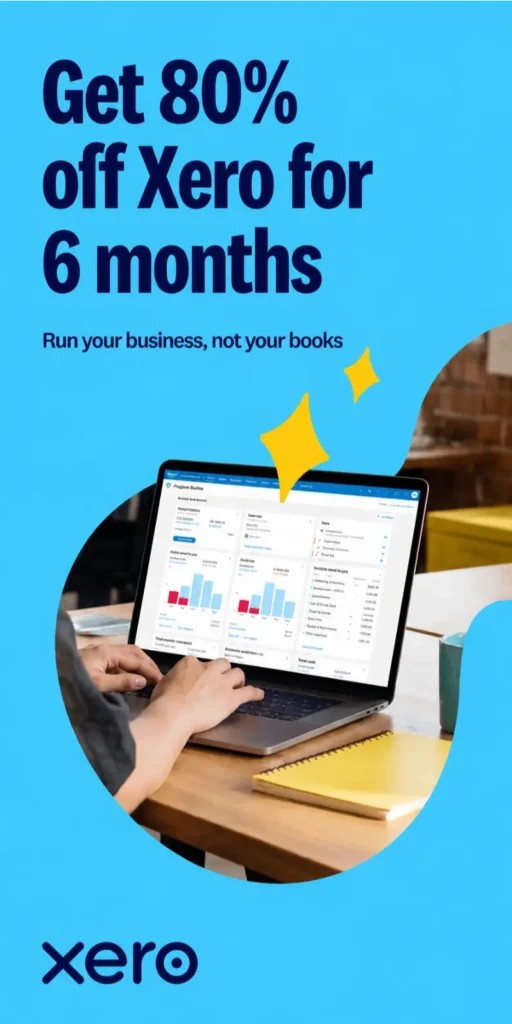
👉 Get started with Xero and save 80% for 6 months: 🔗 https://accountingsoftwaredeals.co.uk/recommends/xero-offer/
HMRC MTD deadlines SMEs must know
Deadlines remain one of the biggest compliance risks for SMEs. Under Making Tax Digital, missing a submission can trigger penalties faster than under legacy systems.
VAT returns under MTD follow the same quarterly deadlines as before, but submissions must be made via approved software. Late filings now accumulate penalty points rather than immediate fines, but repeated non-compliance can still be costly.
Income Tax MTD introduces quarterly update deadlines, typically one month after each quarter. These are in addition to the final declaration deadline. SMEs must adjust workflows to avoid last-minute reporting.
Corporation Tax timelines remain largely unchanged for now, but digital record expectations are increasing. HMRC guidance should always be checked, as timelines are subject to change.
The key takeaway for SMEs is that automation matters. Cloud accounting platforms send reminders, calculate liabilities automatically, and reduce the risk of missed deadlines.

Digital record keeping requirements explained
Digital record keeping is at the heart of Making Tax Digital for SMEs. HMRC requires businesses to store transactional data digitally and maintain digital links between systems.
This means invoices, expenses, VAT amounts, and totals must be recorded electronically. Manual retyping between systems is discouraged, as it increases error risk. Instead, software integrations and automated feeds are encouraged.
Cloud accounting platforms simplify compliance by capturing transactions directly from bank feeds, receipts, and invoices. This not only meets HMRC requirements but also saves time.
For SMEs still using spreadsheets, bridging software can be used – but this is often a short-term solution. Full accounting platforms provide better scalability and compliance assurance.
Benefits of Making Tax Digital for SMEs
While Making Tax Digital introduces new compliance requirements, it also provides SMEs with an opportunity to improve the way they manage their finances. Businesses that adopt cloud accounting software often discover benefits that extend far beyond simply meeting HMRC’s rules.
One of the biggest advantages is greater visibility over business performance. Real-time dashboards allow business owners to monitor cash flow, outstanding invoices, expenses and profitability throughout the year rather than waiting until accounts are prepared.
Automation also reduces administrative workload. Features such as bank feeds, automatic transaction categorisation, receipt capture and recurring invoicing reduce manual bookkeeping, helping business owners spend more time focusing on customers and growth.
Making Tax Digital can also improve collaboration with accountants. Because financial records are stored securely in the cloud, accountants can review information throughout the year, identify potential issues earlier and provide more proactive advice.
For growing SMEs, adopting MTD software early can also reduce future disruption. Choosing a scalable platform today means businesses are better prepared for future HMRC changes, increasing transaction volumes and more complex reporting requirements.
While Making Tax Digital is often viewed as a compliance obligation, many SMEs find it ultimately leads to better financial control, improved efficiency and more informed business decisions.
MTD software for SMEs: what HMRC expects
HMRC-approved MTD software for smes must meet specific criteria. It must be capable of maintaining digital records, creating digital links, and submitting data directly to HMRC via APIs.
Popular platforms such as Xero, Sage, and QuickBooks are fully recognised by HMRC. They are designed specifically for SMEs and updated regularly to reflect regulatory changes.
Choosing recognised software reduces compliance risk and ensures ongoing support as Making Tax Digital evolves. While Xero, Sage, QuickBooks and Zoho Books are all recognised by HMRC, some smaller service-based SMEs also compare FreeAgent because of its simplicity and the fact that eligible NatWest, Royal Bank of Scotland, Ulster Bank and Mettle business account holders can access it at no additional cost.
Across the accounting software we’ve reviewed, growing SMEs typically place the greatest value on automation, reliable bank feeds, reporting, integrations and straightforward collaboration with accountants. As businesses expand, these features often become more valuable than simply choosing the lowest monthly subscription.
Best MTD software for SMEs in 2026
The best MTD software for smes combines compliance, usability, and value. SMEs should prioritise ease of use, automation, integrations, and cost transparency.
Xero is widely used by SMEs for its clean interface, strong automation and extensive app ecosystem. It is particularly popular with accountants and growing businesses because it combines straightforward day-to-day bookkeeping with powerful reporting, bank reconciliation and hundreds of third-party integrations that support future growth.
Sage offers robust UK-specific compliance and is often chosen by established SMEs with complex requirements.
QuickBooks appeals to smaller SMEs seeking affordability and simplicity, with strong invoicing and expense tracking.
For many SMEs, current promotions make premium software affordable. Xero, for example, is offering 80% off for 6 months via: https://accountingsoftwaredeals.co.uk/recommends/xero-offer/
If you’re still comparing providers, our Best Accounting Software for Making Tax Digital guide explains the strengths, weaknesses and ideal use cases for each leading platform in more detail.
Compare the Best MTD Software for SMEs
All of the providers below are fully recognised by HMRC and support Making Tax Digital compliance. The biggest differences lie in automation, reporting, integrations, scalability and long-term value rather than simply meeting HMRC’s minimum requirements.
While FreeAgent is another excellent HMRC-compatible platform that many very small SMEs consider, particularly if they qualify for free access through NatWest, Royal Bank of Scotland, Ulster Bank or Mettle, this comparison focuses on Xero, Sage, QuickBooks and Zoho Books because they typically provide broader functionality for growing SMEs.
To help SMEs make a practical decision, the table highlights MTD compliance, usability, support for UK tax obligations, and current promotional availability (where applicable). Offers are subject to eligibility and may change, so always review the latest terms before committing.
- ✓Automated transaction categorisation for MTD-ready bookkeeping
- ✓VAT tracking and making tax digital submissions to HMRC
- ✓MTD-aligned reporting to support quarterly updates
- ✓Custom invoicing with payment tracking
- ✓Receipt capture and expense tracking
- ✓Secure bank feeds for real-time records
- ✓MTD-ready bookkeeping with automated bank reconciliation
- ✓VAT tracking and digital submissions built for UK businesses
- ✓Real-time dashboards for quarterly performance visibility
- ✓Multi-user access for accountants and teams
- ✓Receipt capture to strengthen digital audit trails
- ✓Integrations designed to keep MTD compliance simple
- ✓HMRC-compliant VAT and MTD reporting tools
- ✓Structured bookkeeping aligned to UK standards
- ✓Clear reporting for MTD-style quarterly updates
- ✓Invoice and credit control for cash flow
- ✓Director-friendly monthly reporting
- ✓Cloud and desktop access options
- ✓MTD-ready VAT workflows for compliant submissions
- ✓Digital record keeping for making tax digital
- ✓Automated invoicing and payment tracking
- ✓Bank feeds and reconciliation to reduce admin
- ✓Works well with other Zoho business apps
- ✓$100 credits usable across the Zoho ecosystem
Costs, savings, and ROI of MTD software for SMEs
One of the most common concerns SMEs have about Making Tax Digital is cost. Subscription-based accounting software can feel like an added expense – especially for smaller businesses already managing rising operational costs. However, when assessed properly, MTD-compliant accounting software is not simply a cost; it is an investment that delivers measurable returns.
At a basic level, MTD software replaces manual bookkeeping, spreadsheet maintenance, and repetitive admin tasks. Bank feeds automatically import transactions, VAT is calculated in real time, and reports are generated instantly. For many SMEs, this alone saves several hours per week-time that can be redirected towards revenue-generating activity.
There is also a direct reduction in professional fees. While accountants remain invaluable, clean digital records significantly reduce time spent on data correction and reconciliation. Many SMEs report lower year-end accounting costs after moving to cloud accounting because their books are already accurate and up to date.
Error reduction is another key contributor to ROI. HMRC penalties increasingly focus on persistent non-compliance rather than one-off mistakes. MTD software reduces calculation errors, missed entries, and late submissions – lowering both financial penalties and stress.
Cash flow visibility also improves. Real-time dashboards show outstanding invoices, upcoming tax liabilities, and profit trends. This allows SMEs to plan payments proactively rather than reacting to unexpected tax bills. For many SMEs, these operational improvements become more valuable over time than the software subscription itself, particularly as transaction volumes increase and financial reporting becomes more complex.
When promotional pricing is factored in – such as introductory discounts – the return on investment becomes even clearer. For most SMEs, MTD software pays for itself within the first year through time savings, cost reductions, and improved financial control.

How SMEs should implement Making Tax Digital step-by-step
Implementing Making Tax Digital does not need to be disruptive or complex. The most successful SMEs take a structured, phased approach rather than attempting to change everything at once.
The first step is assessing your current bookkeeping setup. Identify how records are kept, where data is stored, and which tax obligations apply to your business. This helps determine the level of functionality required from your software.
Next, select MTD-compliant accounting software that matches your business size, industry, and growth plans. Consider usability, support availability, and whether the platform supports all relevant taxes (VAT, Income Tax, future Corporation Tax).
Once software is chosen, migrate existing records. Most platforms provide guided onboarding, importing opening balances, customer lists, and supplier data. This is an ideal point to clean up historic records and correct inconsistencies.
After migration, connect bank feeds and integrate any other tools you use, such as payroll or expense management apps. This ensures digital links are maintained, which is a core HMRC requirement.
Training is essential. Even intuitive software requires some familiarisation. Many providers offer tutorials, webinars, and help centres tailored to SMEs with limited accounting experience.
Finally, register for MTD with HMRC if you have not already done so, and submit your first return digitally. Early submissions build confidence and ensure systems are working correctly well before deadlines.
Common MTD mistakes SMEs should avoid
Despite clear guidance from HMRC, many SMEs still encounter issues when transitioning to Making Tax Digital. Understanding common mistakes can help you avoid unnecessary penalties and frustration.
One of the biggest errors is delaying adoption until the last possible moment. Rushed implementations often lead to incorrect setups, missed registrations, and staff confusion. Early adoption provides breathing room and reduces risk.
Another common mistake is relying solely on spreadsheets without approved digital links. While spreadsheets can still be used, they must connect to HMRC via compliant bridging software. Manual copy-and-paste processes break digital link rules.
Some SMEs misunderstand MTD deadlines, assuming they remain unchanged. While some dates align with legacy systems, others – particularly under Income Tax MTD – introduce additional quarterly submissions.
Underestimating training requirements is also an issue. Even user-friendly software requires basic understanding to be used effectively. Lack of familiarity increases errors rather than reducing them.
Finally, failing to review software regularly can be costly. As your business grows, your accounting needs change. Periodic reviews ensure your MTD software continues to meet compliance and operational requirements.
If you’re preparing for the transition, our How to Prepare for Making Tax Digital guide explains the practical steps businesses should take before registering and submitting their first digital return.
Frequently asked questions about Making Tax Digital for SMEs
Does Making Tax Digital apply to all SMEs?
Yes, making tax digital for smes applies to most UK SMEs, depending on their tax obligations. All VAT-registered SMEs must comply with MTD for VAT, regardless of turnover. MTD for Income Tax is also being introduced for eligible self-employed individuals and landlords, meaning many SMEs are already affected or will be soon.
What is MTD for SMEs and how does it work?
MTD for SMEs is HMRC’s system that requires businesses to keep digital records and submit tax information using approved software. Instead of manual submissions, SMEs must use MTD software for smes to send VAT and other tax data directly to HMRC through secure digital links.
Do SMEs need accounting software for Making Tax Digital?
Yes. HMRC requires SMEs to use MTD software for smes that is recognised and compatible with Making Tax Digital. While spreadsheets can still be used, they must be connected to HMRC via approved bridging software. Most SMEs choose full accounting platforms for easier compliance.
Is Making Tax Digital mandatory or optional for SMEs?
Making tax digital for smes is mandatory once your business falls within HMRC’s scope. If MTD applies to your SME and you fail to comply, you may receive penalty points and fines. Using compliant MTD software for smes helps ensure you meet all requirements.
Which taxes are covered under MTD for SMEs?
MTD for SMEs currently covers VAT and is expanding to Income Tax Self Assessment. Corporation Tax is expected to follow in future phases. Each tax has different rules, but all require digital record keeping and submissions using approved MTD software.
How often do SMEs need to submit under Making Tax Digital?
Submission frequency depends on the tax. VAT-registered SMEs must submit quarterly VAT returns under MTD. For Income Tax MTD, SMEs will need to submit quarterly updates plus an end-of-period statement, increasing reporting frequency compared to the old system.
What happens if an SME misses an MTD deadline?
HMRC operates a points-based penalty system for MTD for SMEs. Missing deadlines repeatedly leads to penalty points and eventual fines. MTD software for smes reduces this risk by providing reminders, automated calculations, and direct submissions.
Can Making Tax Digital reduce admin for SMEs?
Yes. Although there may be an initial setup period, making tax digital for smes usually reduces admin over time. Automated bank feeds, real-time VAT tracking, and digital reporting significantly cut manual bookkeeping tasks for SMEs.
Do SMEs still need an accountant under MTD?
Many SMEs still benefit from an accountant for tax planning and compliance advice. However, MTD software for smes makes collaboration easier by keeping records accurate and up to date, often reducing accountancy costs.
What is the best MTD software for SMEs?
The best MTD software for smes depends on business size, complexity, and budget. Popular options include cloud-based accounting platforms that are HMRC-recognised and designed specifically for SMEs. Choosing the right software ensures long-term compliance and efficiency.
Is MTD software secure?
Reputable providers use bank-level encryption, secure data centres, and two-factor authentication to protect financial data.
Can I switch software after registering for MTD?
Yes. SMEs can change MTD-compliant software providers, provided digital links are maintained and HMRC requirements are met.
Is FreeAgent suitable for SMEs?
Yes. FreeAgent can be an excellent choice for very small SMEs, particularly service-based businesses with straightforward accounting requirements. Eligible NatWest, Royal Bank of Scotland, Ulster Bank and Mettle business account holders can also access FreeAgent at no additional cost. However, growing SMEs with more complex reporting requirements may benefit from platforms such as Xero, Sage or QuickBooks.
Xero FAQs for SMEs
Is Xero suitable for Making Tax Digital for SMEs?
Yes. Xero is fully HMRC-recognised and supports Making Tax Digital for VAT and Income Tax Self Assessment, with Corporation Tax readiness improving over time. It allows SMEs to keep digital records, maintain digital links, and submit returns directly to HMRC, meeting all current MTD requirements.
Is Xero easy to use for non-accountants and small business owners?
Xero is widely regarded as one of the most intuitive platforms for non-finance users. Its dashboard uses clear language rather than accounting jargon, making it suitable for sole traders, directors, and growing SMEs without in-house finance teams.
Does Xero work well with UK accountants?
Yes. Xero has extremely high adoption among UK accountants and bookkeepers. This makes collaboration easier, reduces back-and-forth queries, and often lowers accountancy fees because records are cleaner and more up to date.
Can Xero scale as my SME grows?
Xero is designed to scale from micro-businesses to established SMEs. You can add users, connect payroll, inventory, and reporting tools, and integrate hundreds of third-party apps as your business expands.
Is Xero good value for money for SMEs?
For SMEs, Xero offers strong value – especially when promotional pricing is available. Automation, bank feeds, and reporting often offset subscription costs through time savings and reduced admin.
Does Xero support multiple VAT schemes?
Yes. Xero supports standard VAT, cash accounting, flat rate VAT, and partial exemption scenarios, making it suitable for a wide range of UK SMEs.
Sage FAQs for SMEs
Is Sage compliant with Making Tax Digital for SMEs?
Yes. Sage is fully HMRC-recognised and supports MTD for VAT and other digital reporting requirements. It has long-standing experience working with UK tax regulations and compliance standards.
Is Sage better suited to larger or more established SMEs?
Generally, yes. Sage is often preferred by established SMEs with more complex accounting needs, such as multiple departments, higher transaction volumes, or stricter internal controls.
How easy is Sage for business owners without accounting experience?
Sage is powerful but can feel more structured and traditional compared to newer cloud platforms. SMEs with basic accounting knowledge usually adapt well, but complete beginners may face a steeper learning curve.
Does Sage integrate with other business tools?
Yes. Sage integrates with payroll, HR, payments, and reporting tools, particularly within the Sage ecosystem. Third-party app integration exists, though it is more curated than some competitors.
Is Sage widely used by UK accountants?
Yes. Sage has been a staple in UK accounting for decades, and many accountants are highly experienced with its systems. This can be an advantage for SMEs working with traditional accountancy firms.
Is Sage suitable for fast-growing SMEs?
Sage is well suited to SMEs planning structured growth, particularly those anticipating more complex reporting, compliance, or internal controls.
QuickBooks FAQs for SMEs
Is QuickBooks suitable for Making Tax Digital for SMEs?
Yes. QuickBooks is HMRC-recognised and supports Making Tax Digital for VAT and other required submissions. It allows SMEs to maintain digital records and submit data directly to HMRC.
Is QuickBooks a good choice for small and early-stage SMEs?
QuickBooks is particularly popular with small SMEs, freelancers, and sole traders. Its setup process is straightforward, and it offers strong invoicing, expense tracking, and cash flow tools.
How user-friendly is QuickBooks for non-accountants?
QuickBooks is designed with business owners in mind. Its interface is simple, and common tasks such as invoicing, VAT tracking, and expense categorisation are easy to manage without accounting expertise.
Does QuickBooks work well with UK accountants?
Yes. Many UK accountants support QuickBooks, though adoption varies by firm. It works well for SMEs that want simple day-to-day management while still involving an accountant for year-end and tax planning.
Can QuickBooks scale with an SME as it grows?
QuickBooks can scale to a point, supporting additional users and integrations. However, some growing SMEs eventually move to platforms like Xero or Sage as reporting and complexity increase.
Is QuickBooks cost-effective for SMEs?
QuickBooks is often competitively priced and attractive for cost-conscious SMEs. It provides good core functionality at lower entry-level pricing compared to some alternatives.
Zoho Books FAQs for SMEs
Is Zoho Books compliant with Making Tax Digital for SMEs?
Yes. Zoho Books is HMRC-recognised and supports Making Tax Digital for SMEs that are VAT-registered. It enables digital record keeping and direct VAT submissions, meeting current MTD for SMEs requirements. Future MTD changes remain subject to HMRC timelines.
Is Zoho Books suitable MTD software for SMEs in the UK?
Zoho Books is well suited to small and growing UK SMEs looking for affordable MTD software for SMEs. It works particularly well for service-based businesses, startups, and SMEs already using other Zoho tools.
How easy is Zoho Books for non-accountants under MTD?
Zoho Books is designed for business owners, not accountants. Tasks such as invoicing, VAT tracking, and expense management are simple, making it accessible for SMEs new to making tax digital for smes.
Does Zoho Books support MTD for VAT fully?
Yes. Zoho Books supports MTD for VAT by keeping digital records and submitting VAT returns directly to HMRC. This ensures SMEs remain compliant with current MTD for SMEs regulations.
Is Zoho Books good value compared to other MTD software for SMEs?
Zoho Books is often more affordable than larger platforms, making it attractive for cost-conscious SMEs. For smaller businesses, it offers strong MTD compliance without premium pricing.
Do UK accountants support Zoho Books?
Zoho Books is less widely used by UK accountants than Xero or Sage, but support is growing. SMEs should confirm accountant familiarity before choosing it as their primary MTD software.
Can Zoho Books scale as my SME grows under MTD?
Zoho Books can scale for many SMEs, supporting more users and transactions. However, rapidly growing SMEs with complex needs may later move to larger MTD platforms.
Recap: Making Tax Digital for SMEs
Making tax digital for smes is now a core requirement for modern UK businesses rather than a future consideration. From VAT to Income Tax – and eventually Corporation Tax – SMEs must adopt digital record keeping and compliant software to meet HMRC standards.
While the transition may feel daunting, many SMEs discover that adopting cloud accounting software improves far more than compliance. Better visibility of cash flow, reduced administration, stronger collaboration with accountants and improved financial reporting all contribute to better long-term business performance.
Choosing the right MTD software early helps SMEs stay ahead of regulatory changes while improving day-to-day financial management, reducing administration and supporting long-term business growth.
Conclusion: Take control of Making Tax Digital in 2026
Making Tax Digital is reshaping how SMEs manage their finances, interact with HMRC, and plan for growth. While compliance is mandatory for many businesses, the right accounting software turns MTD from an obligation into a strategic advantage.
By adopting MTD-compliant software now, SMEs can simplify reporting, reduce risk, and gain real-time insight into their financial performance. The key is choosing a platform that balances compliance, usability, and long-term value.
Whether you choose Xero, Sage, QuickBooks, Zoho Books or another HMRC-recognised provider such as FreeAgent, the most important step is moving to compliant software before deadlines become a problem. Choosing the right platform now will help your business remain compliant while providing better financial visibility as your SME continues to grow.
👉 Get 80% off for 6 months on Xero accounting software: https://accountingsoftwaredeals.co.uk/recommends/xero-offer/
Subject to eligibility. Offers and HMRC requirements are subject to change – always review current terms and guidance before proceeding.
Disclaimer: The content on this website is intended for informational purposes only and should not be construed as legal, financial, or professional advice. While we strive to ensure that the information is accurate and up-to-date at the time of publication, please be aware that regulations and circumstances may change. We recommend consulting with a qualified professional for personalised guidance specific to your situation. Additionally, some links on this website may be affiliate links, meaning we may earn a commission if you make a purchase through those links. Please ensure you read and understand all terms and conditions before making any decisions.
Xero Relationship Disclosure: This website is independent and not affiliated with or endorsed by Xero. We may earn a commission if you sign up to Xero via our referral links.
- Xero vs Sage: Which Accounting Software Is Best for Small Businesses?
 Introduction Choosing between Xero vs Sage is one of the biggest decisions UK business owners make when selecting accounting software. Whether you’re comparing Xero or Sage, looking at Xero vs Sage features, or wondering is Xero better than Sage or is Sage better than Xero, this guide compares pricing, ease of use, HMRC compliance, integrations… Read more: Xero vs Sage: Which Accounting Software Is Best for Small Businesses?
 - Free Agent Accounting Software Review
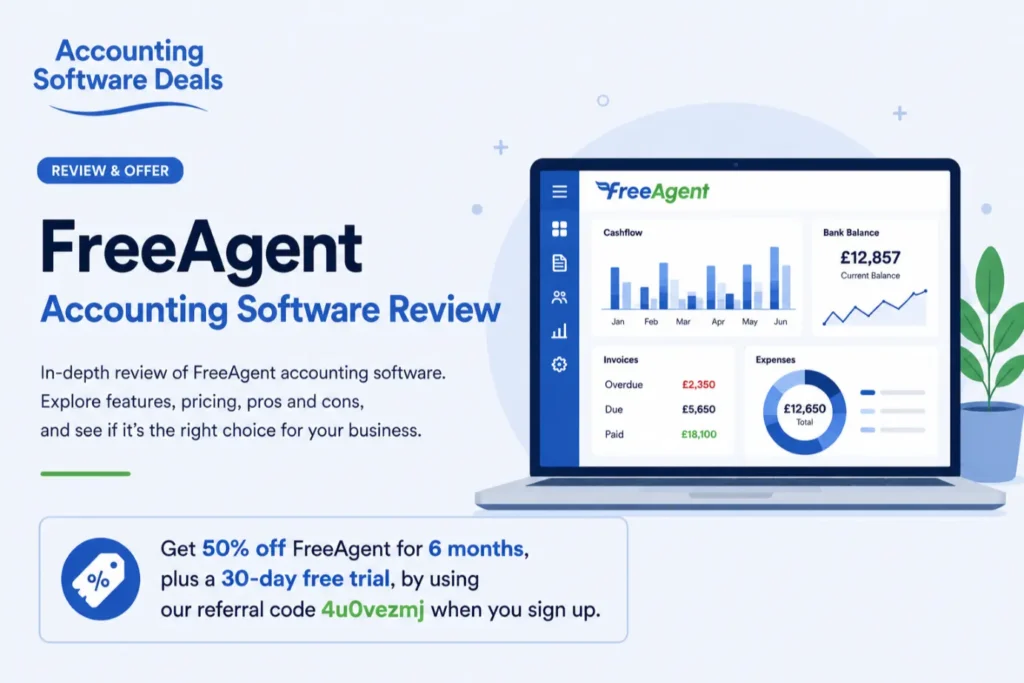 Introduction Choosing the right accounting software can save you hours of administration each month while helping you stay compliant with HMRC requirements. For UK freelancers, sole traders and small businesses, FreeAgent accounting software has become one of the most popular cloud accounting solutions thanks to its simple interface, built-in tax features and time-saving automation. In… Read more: Free Agent Accounting Software Review
 - Zoho Books Accounting Software Review UK (2026)
 Introduction Choosing the right accounting software is one of the most important decisions for any business, and Zoho Books accounting software has become an increasingly popular choice for freelancers, sole traders, startups and small businesses looking for an affordable cloud-based solution. Combining invoicing, bookkeeping, expense tracking, automation and HMRC-compliant tax tools, Zoho Books is designed… Read more: Zoho Books Accounting Software Review UK (2026)
 - Xero vs Zoho Books for Small Businesses (2026)
 Introduction Choosing accounting software is one of the most important decisions a sole trader or small business owner can make. The right platform saves time, reduces stress around tax, and gives you clearer insight into cash flow and profitability. The wrong one can feel restrictive, confusing, or unnecessarily expensive as your business grows. That’s why… Read more: Xero vs Zoho Books for Small Businesses (2026)
 - Zoho Books vs Sage for Small Businesses (2026 Comparison Guide)
 Introduction Choosing the right accounting software is one of the most important decisions for any UK sole trader or small business. The right platform can save hours of administration every month, simplify VAT returns, improve cash flow management and provide better visibility over your finances as your business grows. If you’re comparing Zoho Books vs… Read more: Zoho Books vs Sage for Small Businesses (2026 Comparison Guide)
 - Sage vs QuickBooks Accounting Software Comparison
 Introduction Choosing between Sage and QuickBooks is one of the most important software decisions facing UK sole traders and small businesses. Both platforms are HMRC-recognised, Making Tax Digital (MTD) compliant and trusted by thousands of UK businesses, but they take noticeably different approaches to bookkeeping, automation and financial management. Sage has traditionally been the preferred… Read more: Sage vs QuickBooks Accounting Software Comparison